
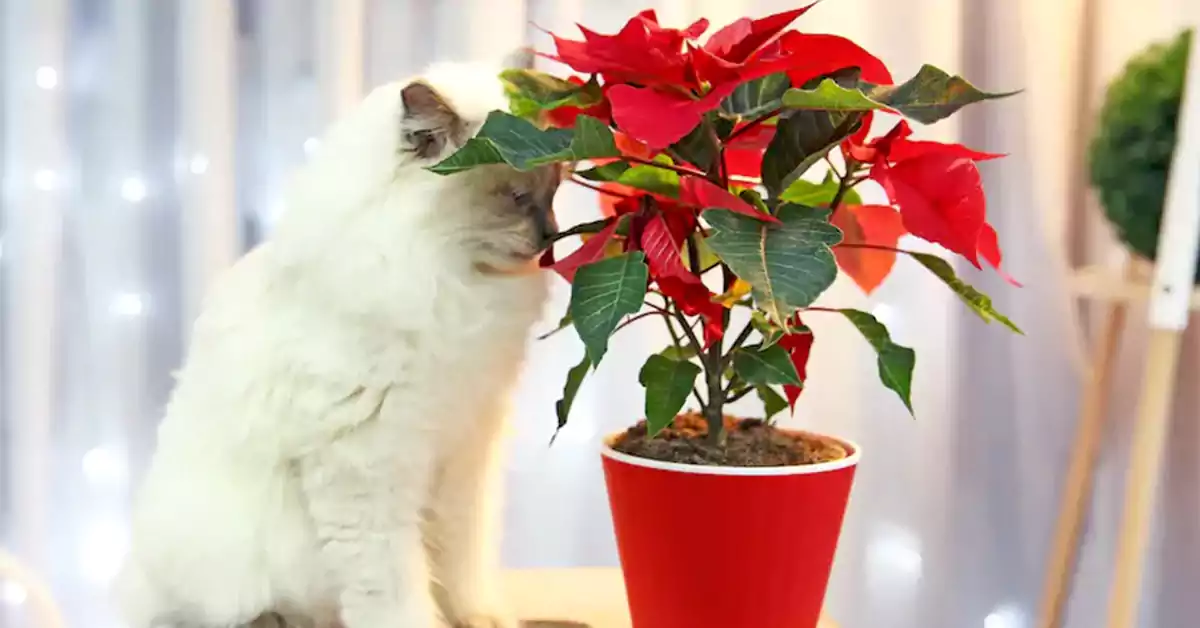
Poinsettias are one of the most popular decorative plants, especially during the holiday season. You’ll often see them in homes, offices, and gift arrangements because of their bright red leaves and festive look. But if you share your home with a cat, it’s completely natural to worry:
Are poinsettias toxic to cats?
The honest answer is yes, poinsettias are mildly toxic to cats, but they are not as dangerous as many people believe. While poinsettias can cause discomfort if eaten, they are rarely life-threatening.
| Feature | Cat Grass Kit | Cat Water Fountain | Cat Probiotics | Healthy Cat Treats | Interactive Cat Toy |
|---|---|---|---|---|---|
| Image |

|

|
|

|

|
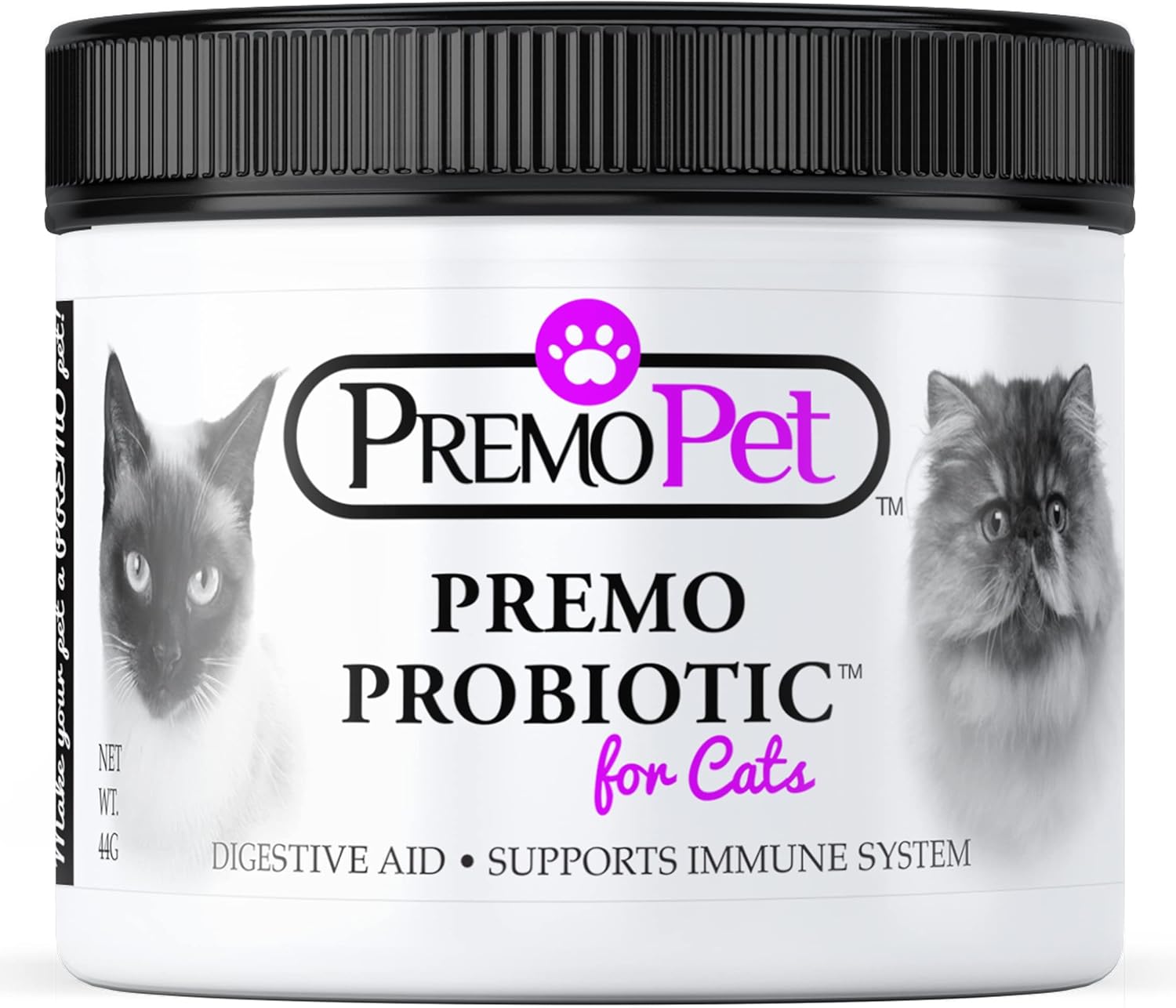
| Product Name | Cat Grass Growing Kit | Cat Water Fountain | Cat Digestive Probiotics | Healthy Cat Treats | Interactive Cat Toy |
| Best For | Indoor cats & safe grazing | Hydration & urinary health | Digestive support | Rewards & nutrition | Exercise & enrichment |
| Affiliate Potential | ⭐⭐⭐⭐☆ | ⭐⭐⭐⭐⭐ | ⭐⭐⭐⭐⭐ | ⭐⭐⭐⭐☆ | ⭐⭐⭐☆☆ |
| Why Buy? | Provides a safe alternative to outdoor grass and supports digestion. | Encourages cats to drink more water throughout the day. | Supports a healthy gut and reduces digestive discomfort. | Delicious rewards with added nutritional benefits. | Keeps indoor cats active and mentally stimulated. |
| Buy Now | Buy Now | Buy Now | Buy Now | Buy Now | Buy Now |
This guide explains what really happens if a cat eats a poinsettia, the symptoms to watch for, how serious the risk is, and how to keep your cat safe
Also, I have written a detailed guide on which herbs, plants are safe or toxic for cats, if you want to know at one place, then you can read the complete guide here: Plants That Can Be Deadly for Cats: Safe and Toxic Herbs, Flowers & Houseplants
Poinsettia Toxicity for Cats – Quick Overview
| Aspect | Details |
|---|---|
| Plant name | Poinsettia (Euphorbia pulcherrima) |
| Toxic to cats? | ⚠️ Yes (mildly toxic) |
| Toxic part | Milky white sap |
| Risk level | Low to moderate |
| Common symptoms | Drooling, mild vomiting, mouth irritation |
| Life-threatening? | ❌ Rarely |
| Effect on organs | Does not cause kidney failure |
| Emergency vet visit needed? | Usually no (unless symptoms are severe) |
| Comparison | Much less dangerous than lilies |
What Is a Poinsettia?
Poinsettias (Euphorbia pulcherrima) are ornamental plants known for their red, pink, or white leaves (often mistaken for flowers). They belong to the Euphorbia family, which produces a milky white sap.
It’s this sap that causes problems for pets, including cats.
Are Poinsettias Toxic to Cats?
Yes, poinsettias are mildly toxic to cats. Poinsettias are toxic, but unlike lilies which are dangerous and life-threatening to cats, they are not.
They contain a milky sap that can irritate a cat’s mouth, stomach, and skin if chewed or touched. However, poinsettias do not cause organ failure and are not considered highly poisonous like lilies.
In most cases, symptoms are mild and temporary.
Why Do Poinsettias Affect Cats?
The white sap inside poinsettias contains irritating compounds, not deadly toxins. When a cat bites into the plant, the sap is released and can cause irritation.
Cats usually stop chewing after one or two bites because the taste and sensation are unpleasant.
What Happens If a Cat Eats a Poinsettia?
If a cat chews or eats part of a poinsettia, symptoms usually appear quickly and are generally mild.
Common Symptoms of Poinsettia Exposure in Cats
- Drooling
- Mild vomiting
- Mouth irritation
- Pawing at the mouth
- Reduced appetite for a short time
- Mild diarrhea (in some cases)
Symptoms often resolve on their own within a few hours.
Is Poinsettia Poisoning Life-Threatening?
No.
Poinsettia poisoning is rarely life-threatening for cats.
Most cats recover fully with minimal or no treatment. Severe reactions are uncommon, and serious complications are extremely rare.
That said, discomfort is still unpleasant, and prevention is always better than treatment.
What Should You Do If Your Cat Eats a Poinsettia?
If you catch your cat chewing on a poinsettia, follow these steps:
1. Remove the Plant
Take the plant away to prevent further chewing.
2. Rinse the Mouth (If Possible)
If your cat allows it, gently offer fresh water to help reduce irritation.
3. Monitor Your Cat
Watch for vomiting, drooling, or signs of discomfort over the next few hours.
4. Contact Your Vet if Needed
If symptoms are severe, persistent, or your cat seems unwell, contact your veterinarian.
❌ Do not induce vomiting
❌ Do not use home remedies without vet advice
How Much Poinsettia Is Toxic to Cats?
There is no specific toxic dose, but large amounts may increase stomach upset. Most cats only nibble small amounts before stopping.
Are Poinsettias More Dangerous for Kittens?
Kittens may be slightly more sensitive because of their smaller size and curiosity. While poinsettias are still unlikely to be dangerous, kittens should be kept away to avoid discomfort.
Can Cats Touch Poinsettias?
Yes, but contact with the sap can cause:
- Mild skin irritation
- Eye irritation if rubbed
If sap gets on your cat’s fur, gently wipe it off with a damp cloth.
Why Are Poinsettias Believed to Be Extremely Toxic?
Poinsettias have a long-standing reputation for being deadly, but this belief is largely a myth. Research and veterinary data show that poinsettias cause mild irritation, not severe poisoning.
They are often confused with truly toxic plants like lilies, which are extremely dangerous for cats.
Should Cat Owners Keep Poinsettias at Home?
While poinsettias are not deadly, it’s still best to:
- Place them out of reach
- Avoid allowing cats to chew on them
- Choose safer alternatives if possible
If your cat is a persistent plant chewer, it may be better to avoid poinsettias altogether.
Safer Plant Alternatives for Cat Owners
If you want decorative plants without worry, consider:
- Spider plants
- Areca palms
- Boston ferns
- Calathea
- Orchids
If you want greenery without worry, spider plants are generally considered safe for cats and are a better option for pet-friendly homes.
Frequently Asked Questions (FAQs)
No. Poinsettias are not deadly to cats. They usually cause mild stomach or mouth irritation.
The sap can cause irritation to the mouth, skin, or eyes, but it is not highly toxic.
Most cats lose interest after one bite due to the unpleasant taste of the sap.
No. Smelling poinsettias does not cause poisoning. Problems occur only if the plant is chewed or sap is contacted.
No, Emergency care is usually not needed unless symptoms are severe or persistent. You can give treatment to your cat at home, and she will get well.
Final Verdict: Are Poinsettias Safe for Cats?
Poinsettias are mildly toxic to cats but rarely dangerous.
They can cause temporary discomfort if chewed, but serious poisoning is uncommon. With simple precautions, most cat owners can manage the risk safely. Before bringing decorative plants home, it helps to understand which flowers are safe or unsafe for cats.
Knowing which plants are truly dangerous — and which are only mildly irritating — helps you create a safer and calmer home for your cat.
| Feature | Cat Grass Kit | Cat Water Fountain | Cat Probiotics | Healthy Cat Treats | Interactive Cat Toy |
|---|---|---|---|---|---|
| Image |
|
|
|
|
|
| Product Name | Cat Grass Growing Kit | Cat Water Fountain | Cat Digestive Probiotics | Healthy Cat Treats | Interactive Cat Toy |
| Best For | Indoor cats & safe grazing | Hydration & urinary health | Digestive support | Rewards & nutrition | Exercise & enrichment |
| Affiliate Potential | ⭐⭐⭐⭐☆ | ⭐⭐⭐⭐⭐ | ⭐⭐⭐⭐⭐ | ⭐⭐⭐⭐☆ | ⭐⭐⭐☆☆ |
| Why Buy? | Provides a safe alternative to outdoor grass and supports digestion. | Encourages cats to drink more water throughout the day. | Supports a healthy gut and reduces digestive discomfort. | Delicious rewards with added nutritional benefits. | Keeps indoor cats active and mentally stimulated. |
| Buy Now | Buy Now | Buy Now | Buy Now | Buy Now | Buy Now |