
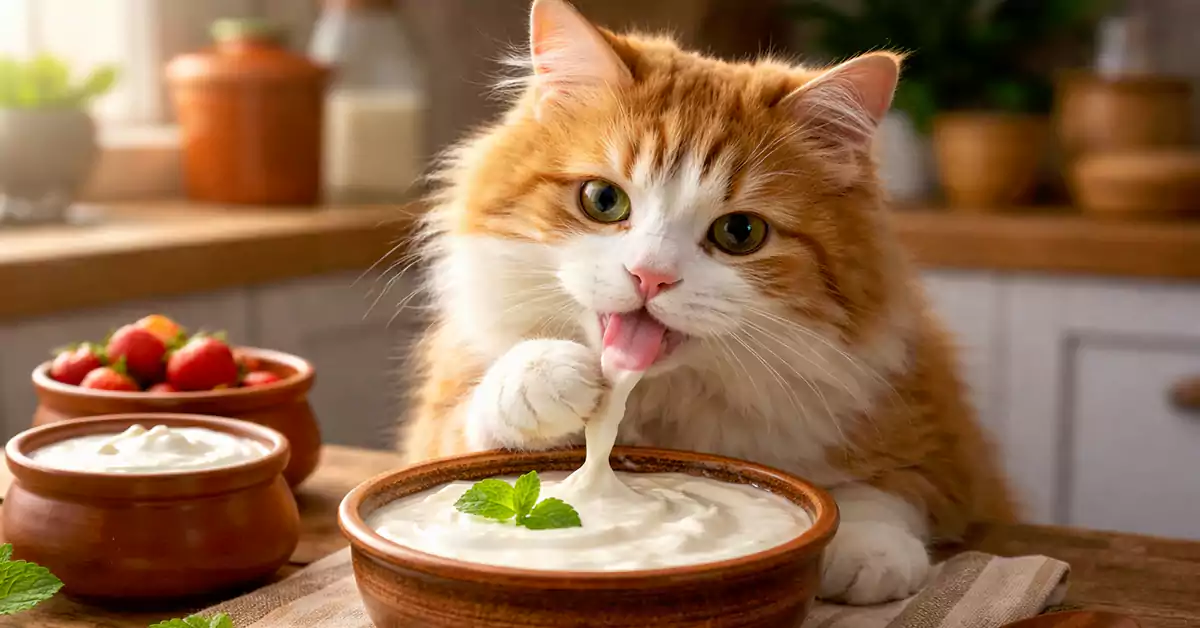
Dahi or curd is consumed daily in Indian households. Be it North or South India, wherever you go, you will see Indians consuming curd fondly. So if you are a cat parent, you may be asking yourself this question: can cats eat dahi or curd? Is curd healthy for cats? If you are also going through these questions in your mind, we’d love to answer all your questions related to whether your cat should consume curd or not.
Quick Safety Overview
| Food | Safe for Cats? | Risk Level | Notes |
|---|---|---|---|
| Curd (Dahi) | ⚠️ Occasionally | Moderate | May cause digestive issue |
Why Do Cats Try to Eat Curd (Dahi)?
Cats are not attracted to curd for nutritional reasons. Their interest usually comes from everyday behavior and environment.
Common reasons include:
| Feature | Cat Grass Kit | Cat Water Fountain | Cat Probiotics | Healthy Cat Treats | Interactive Cat Toy |
|---|---|---|---|---|---|
| Image |

|

|
|

|

|
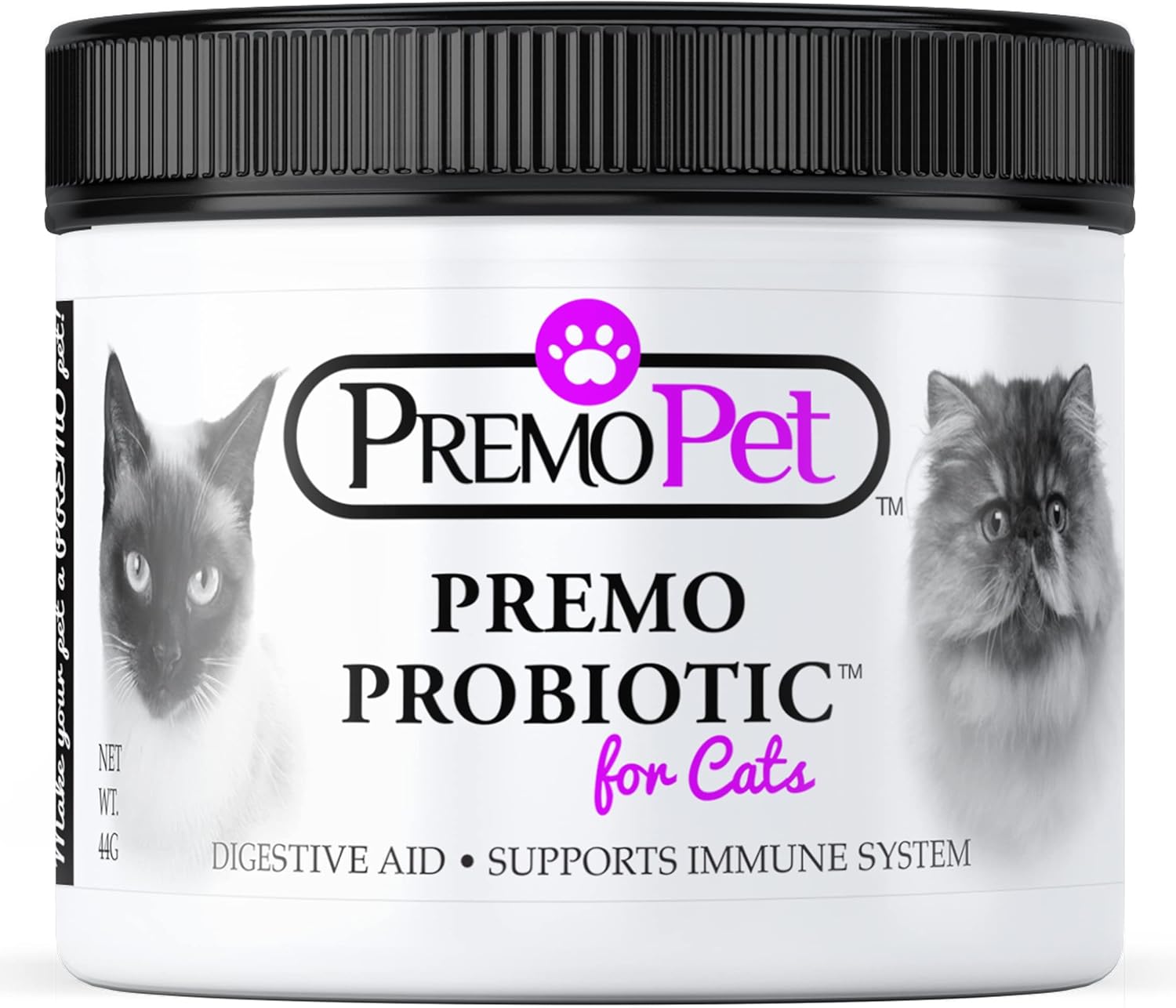
| Product Name | Cat Grass Growing Kit | Cat Water Fountain | Cat Digestive Probiotics | Healthy Cat Treats | Interactive Cat Toy |
| Best For | Indoor cats & safe grazing | Hydration & urinary health | Digestive support | Rewards & nutrition | Exercise & enrichment |
| Affiliate Potential | ⭐⭐⭐⭐☆ | ⭐⭐⭐⭐⭐ | ⭐⭐⭐⭐⭐ | ⭐⭐⭐⭐☆ | ⭐⭐⭐☆☆ |
| Why Buy? | Provides a safe alternative to outdoor grass and supports digestion. | Encourages cats to drink more water throughout the day. | Supports a healthy gut and reduces digestive discomfort. | Delicious rewards with added nutritional benefits. | Keeps indoor cats active and mentally stimulated. |
| Buy Now | Buy Now | Buy Now | Buy Now | Buy Now | Buy Now |
- Curiosity about what their humans are eating
- Creamy smell and texture
- Association with dairy foods
- Attention-seeking behavior
- Habit of licking bowls or plates
This curiosity does not mean curd is good or beneficial for cats.
Is Curd (Dahi) Safe for Cats?
Curd is not toxic to cats, but that does not mean it is safe or suitable.
Most adult cats are lactose intolerant, meaning they lack enough of the enzyme needed to digest dairy properly. While curd (dahi) contains less lactose than milk because it is fermented, it still contains enough lactose to cause digestive discomfort in many cats.
Important things to understand:
- Cats are obligate carnivores
- Dairy is not a natural part of a cat’s diet
- Curd provides no essential nutrients for cats
Because of this, curd should not be considered a healthy food for cats.
What Happens If a Cat Eats Curd?
Some cats may tolerate a very small lick of plain curd without any visible issues. However, many cats develop digestive problems after consuming dairy.
Common Symptoms to Watch For
- Diarrhea
- Vomiting
- Gas or bloating
- Stomach discomfort
- Lethargy
- Loss of appetite
Symptoms usually appear within a few hours after eating curd.
When Is Curd Dangerous for Cats?
Curd can become more harmful in certain situations:
1. Large Quantities
Eating more than a small lick can upset a cat’s stomach and cause diarrhea.
2. Added Ingredients
Curd mixed with salt, sugar, spices, onion, or garlic can be harmful or even toxic to cats.
3. Kittens and Senior Cats
Kittens have very sensitive digestive systems, and older cats may already have digestion-related health issues.
What To Do If Your Cat Eats Curd?
If your cat eats a small amount of plain curd (dahi):
- Remove access to the curd
- Observe your cat for the next 24 hours
- Make sure fresh water is available
- Do not give more dairy
- Contact a veterinarian if symptoms last more than 24 hours
Seek immediate veterinary care if the curd contains onion, garlic, or spices.
Can Cats Eat Curd Every Day?
No. Cats should not eat curd every day.
Even if a cat seems fine after eating curd once or twice, regular consumption can lead to:
- Chronic diarrhea
- Digestive irritation
- Dehydration
- Poor nutrient absorption
Curd does not meet a cat’s dietary needs and should never be part of a regular diet.
Is Curd Better Than Milk for Cats?
Curd is slightly better than milk because it contains less lactose due to fermentation. However, “slightly better” does not mean “safe.”
Both milk and curd are unnecessary for cats and can cause digestive issues, especially in adult cats.
Can Kittens Eat Curd (Dahi)?
No. Kittens should not eat curd at all.
Their digestive systems are still developing, and dairy can easily cause diarrhea and dehydration. Kittens should only be fed mother’s milk or veterinarian-recommended kitten food.
Safer Alternatives to Curd for Cats
Instead of offering curd or dahi, choose safer options such as:
- High-quality commercial cat food
- Plain boiled chicken (no salt or spices)
- Vet-approved cat treats
- Plain cooked fish (boneless, unseasoned)
- Fresh drinking water
These options support a cat’s health without digestive risk.
Frequently Asked Questions About Cats Eating Curd (Dahi)
Cats can eat a very small amount of plain curd mixed with plain rice, but it is not recommended. Both curd and rice are human foods that do not meet a cat’s nutritional needs. Curd may cause digestive upset due to lactose, while rice is high in carbohydrates that cats do not digest well. Feeding them together increases the chances of diarrhea and stomach discomfort.
Curd and yogurt are similar dairy products, and neither is ideal for cats. Although they contain less lactose than milk, most adult cats are still lactose intolerant. Some cats may tolerate a small lick, but many will experience gas, loose stools, or vomiting. Dairy should not be included in a cat’s diet.
No. Curd is not recommended for cats with diarrhea. While curd may help humans due to probiotics, cats digest dairy very differently. The lactose in curd can actually worsen diarrhea and lead to dehydration. A veterinarian should be consulted instead of using home remedies.
No, feeding curd and rice every day is unhealthy for cats. This combination lacks essential nutrients and can lead to digestive issues, nutritional deficiencies, and weight problems over time. Cats require a meat-based diet designed specifically for them.
Persian cats often have more sensitive digestive systems. Feeding them curd and rice can easily cause vomiting, diarrhea, or stomach upset. Because of their breed sensitivity, Persian cats should strictly avoid dairy and unnecessary human foods.
Curd and milk together are not safe for cats. Milk contains a higher amount of lactose, and combining it with curd increases the risk of digestive distress. This mixture can quickly cause diarrhea, bloating, and dehydration.
There are no proven benefits of curd for cats. While curd contains probiotics for humans, cats do not require dairy-based probiotics. Any possible benefit is outweighed by the risk of lactose intolerance and digestive upset.
Final Verdict
Curd (dahi) is a healthy food for humans, but it is not suitable for cats. While it is not toxic, curd can cause digestive problems due to lactose intolerance, especially if fed regularly. Therefore, you should keep a check on the quantity of curd being given to your cat, and if possible, try to avoid giving curd to your cat, as it may create health problems for your cat. Instead of giving your cat curd, there are several healthy human foods that you can give your cat.
For your cat’s long-term health and comfort, it’s best to avoid feeding curd and stick to foods specifically made for cats.
| Feature | Cat Grass Kit | Cat Water Fountain | Cat Probiotics | Healthy Cat Treats | Interactive Cat Toy |
|---|---|---|---|---|---|
| Image |
|
|
|
|
|
| Product Name | Cat Grass Growing Kit | Cat Water Fountain | Cat Digestive Probiotics | Healthy Cat Treats | Interactive Cat Toy |
| Best For | Indoor cats & safe grazing | Hydration & urinary health | Digestive support | Rewards & nutrition | Exercise & enrichment |
| Affiliate Potential | ⭐⭐⭐⭐☆ | ⭐⭐⭐⭐⭐ | ⭐⭐⭐⭐⭐ | ⭐⭐⭐⭐☆ | ⭐⭐⭐☆☆ |
| Why Buy? | Provides a safe alternative to outdoor grass and supports digestion. | Encourages cats to drink more water throughout the day. | Supports a healthy gut and reduces digestive discomfort. | Delicious rewards with added nutritional benefits. | Keeps indoor cats active and mentally stimulated. |
| Buy Now | Buy Now | Buy Now | Buy Now | Buy Now | Buy Now |