
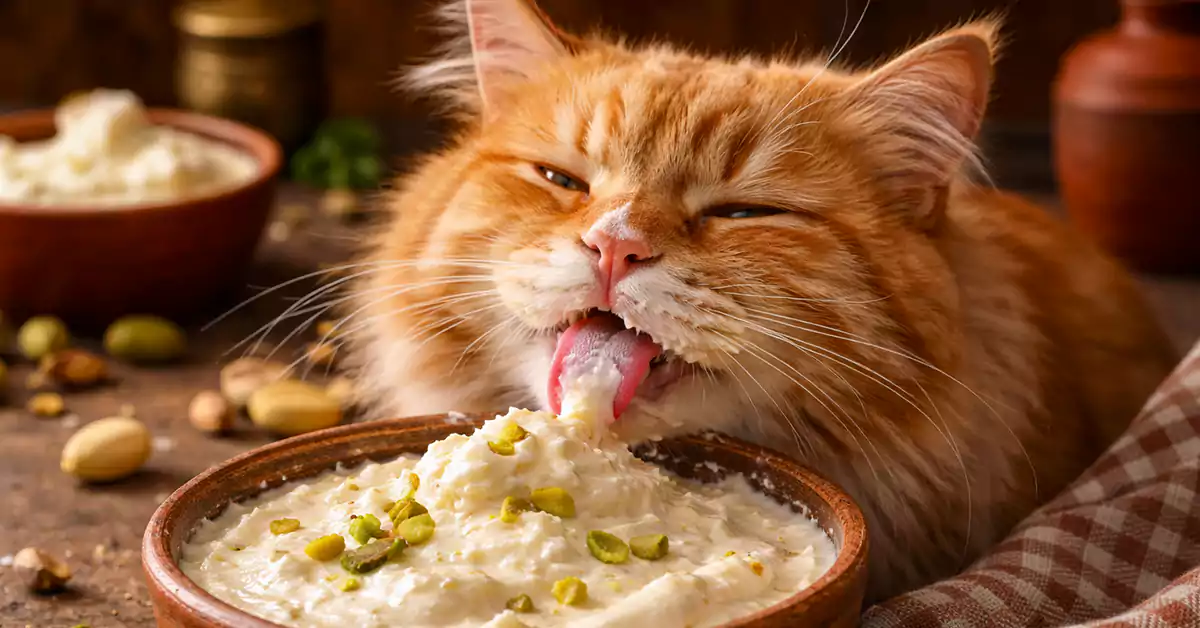
Being a pet parent, I often ask myself the same questions you might be asking right now — which foods or drinks can I give my cat without worrying about her health? Cats love to roam around the house, and when they see us eating food made for humans, their curiosity naturally kicks in.
Many times, we end up wondering whether it’s safe to share certain foods with them. Questions like can I feed my cat paneer? or can cats eat dal chawal? are very common. Similarly, another question that often comes up is whether cats can eat malai or fresh cream. If you’re also wondering whether malai is safe for your cat, this article will help you understand everything you need to know.
| Feature | Cat Grass Kit | Cat Water Fountain | Cat Probiotics | Healthy Cat Treats | Interactive Cat Toy |
|---|---|---|---|---|---|
| Image |

|

|
|

|

|
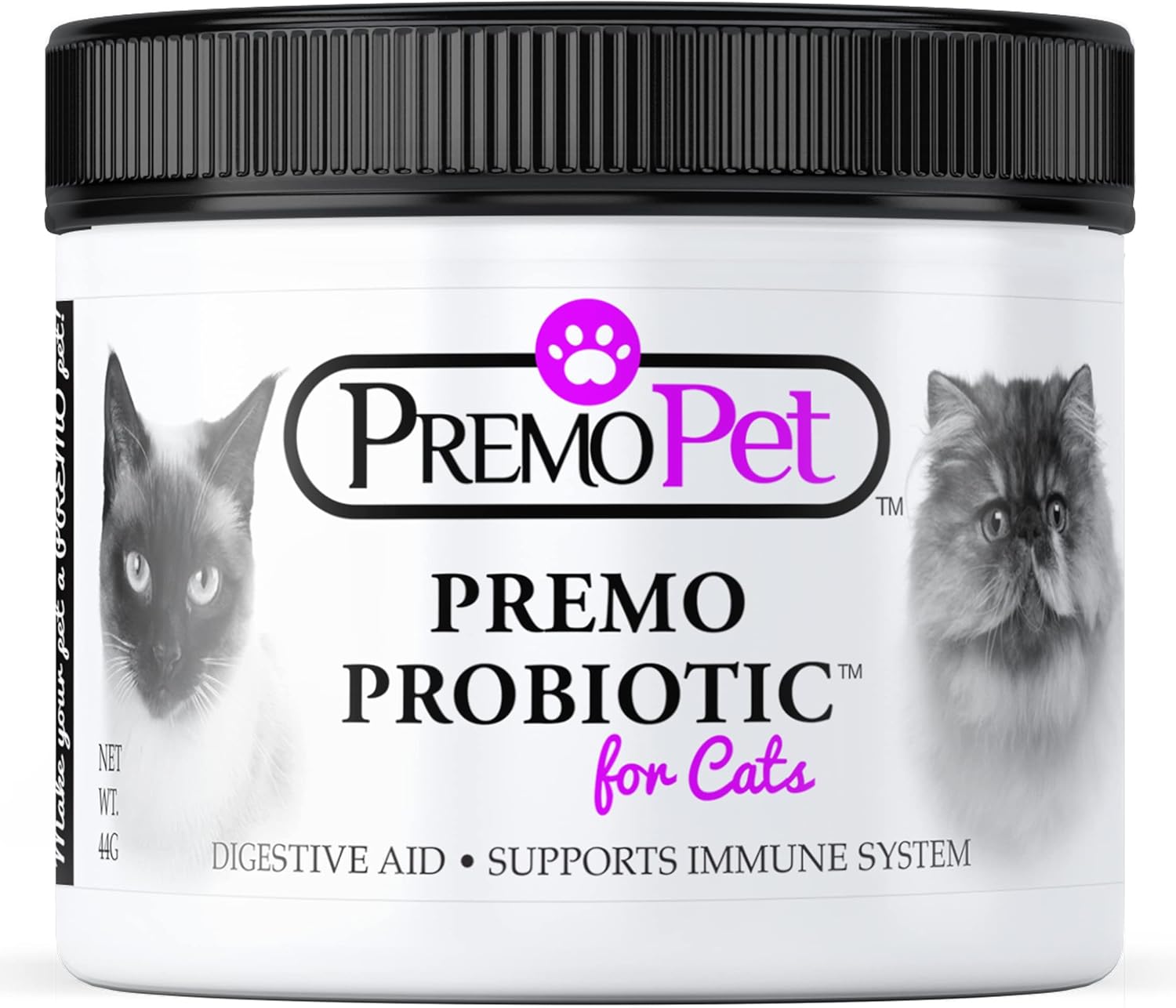
| Product Name | Cat Grass Growing Kit | Cat Water Fountain | Cat Digestive Probiotics | Healthy Cat Treats | Interactive Cat Toy |
| Best For | Indoor cats & safe grazing | Hydration & urinary health | Digestive support | Rewards & nutrition | Exercise & enrichment |
| Affiliate Potential | ⭐⭐⭐⭐☆ | ⭐⭐⭐⭐⭐ | ⭐⭐⭐⭐⭐ | ⭐⭐⭐⭐☆ | ⭐⭐⭐☆☆ |
| Why Buy? | Provides a safe alternative to outdoor grass and supports digestion. | Encourages cats to drink more water throughout the day. | Supports a healthy gut and reduces digestive discomfort. | Delicious rewards with added nutritional benefits. | Keeps indoor cats active and mentally stimulated. |
| Buy Now | Buy Now | Buy Now | Buy Now | Buy Now | Buy Now |
Malai, also known as fresh cream, is commonly found in Indian households. It naturally forms on boiled milk and is often used in sweets, gravies, or eaten plain by many people. Because malai looks soft, rich, and harmless, cats may show interest in it—sniffing the bowl, licking a little, or trying to steal a taste.
In this article, we’ll explain clearly whether Malai is safe for cats, why it can cause problems, symptoms to watch for, and what you should do if your cat eats it.
Quick Safety Overview
| Food | Safe for Cats? | Risk Level | Notes |
|---|---|---|---|
| Malai (plain fresh cream) | ❌ Not recommended | Moderate–High | Very high fat, lactose |
| Malai daily | ❌ Unsafe | High | Digestive & pancreatic stress |
| Malai with sugar/sweets | ❌ Dangerous | High | Sugar + dairy risks |
Why Are Cats Attracted to Malai?
Cats are not attracted to Malai because it is healthy for them. Their interest usually comes from:
- Strong smell of milk fat
- Soft, lickable texture
- Curiosity about human food
- Habit of tasting leftovers
- Attention-seeking behavior
Fatty foods often smell appealing to cats, but attraction does not mean suitability.
Is Malai Safe for Cats?
No, malai is not safe for cats, even though it is not technically toxic.
Malai is made almost entirely of milk fat and still contains lactose. Most adult cats are lactose intolerant, meaning they cannot digest lactose properly. On top of that, the very high fat content makes malai especially hard on a cat’s digestive system.
Key concerns with malai:
- Extremely high fat content
- Contains lactose
- Very difficult to digest
- No nutritional benefit for cats
Cats are obligate carnivores and do not need dairy fat in their diet.
What Happens If a Cat Eats Malai?
If a cat eats malai, reactions can range from mild to more noticeable digestive issues depending on the amount consumed and the cat’s sensitivity.
Common Symptoms to Watch For
- Diarrhea
- Vomiting
- Greasy or loose stools
- Gas or bloating
- Stomach discomfort
- Lethargy
Symptoms usually appear within a few hours after ingestion.
Some cats may seem fine after a small lick, but repeated exposure increases the risk of digestive upset.
Why Malai Is Worse Than Other Dairy Products?
Many pet parents assume malai is similar to curd or paneer, but malai is actually riskier.
Here’s why:
- Malai has much higher fat than curd or milk
- Fat puts extra stress on a cat’s digestive system
- Repeated fat intake can irritate the pancreas
- Even small amounts can trigger diarrhea
Compared to other dairy foods, malai is one of the worst options for cats.
When Is Malai Especially Dangerous for Cats?
Malai becomes more dangerous in certain situations:
1. Large Amounts
Even a spoonful can be enough to cause vomiting or diarrhea in many cats.
2. Kittens and Senior Cats
- Kittens have very sensitive digestion
- Older cats may already have digestive or pancreatic issues
For these cats, malai should be completely avoided.
3. Malai Mixed With Sugar or Sweets
Malai used in desserts adds sugar, which further upsets digestion and offers no benefit to cats.
Can Cats Eat Malai Every Day?
Absolutely not.
Feeding malai regularly can lead to:
- Chronic digestive problems
- Frequent diarrhea
- Weight gain
- Long-term gut irritation
- Increased stress on internal organs
Even if your cat seems to enjoy it, malai should never become part of a cat’s diet.
Is Malai Better Than Milk for Cats?
No. While malai contains less liquid lactose than milk, it is far higher in fat, which creates a different but equally serious problem.
Milk mainly causes lactose-related diarrhea.
Malai causes fat-related digestive stress, making it even riskier.
So malai is not a safer alternative to milk.
Can Kittens Eat Malai?
No. Kittens should never eat malai.
Their digestive systems are still developing, and high-fat dairy foods can quickly cause:
- Severe diarrhea
- Dehydration
- Poor nutrient absorption
Kittens should only consume mother’s milk or veterinarian-approved kitten food.
What To Do If Your Cat Eats Malai?
If your cat eats malai:
- Remove access to the food immediately
- Do not offer more dairy products
- Ensure fresh drinking water is available
- Monitor your cat for 24 hours
- Contact a veterinarian if symptoms persist
Seek immediate veterinary help if vomiting or diarrhea is severe or continuous.
Safer Alternatives to Malai for Cats
Instead of sharing malai, offer foods that are actually safe and appropriate:
- High-quality commercial cat food
- Plain boiled chicken (no salt or spices)
- Plain cooked fish (boneless, unseasoned)
- Vet-approved cat treats
- Fresh drinking water
These options support feline health without digestive risk.
Frequently Asked Questions (FAQs)
A tiny accidental lick may not cause immediate harm, but malai is still not recommended. Digestive upset is possible even with small amounts.
Malai itself is not toxic, but its high fat and lactose content make it unsafe for cats.
Homemade malai is just as risky as store-bought malai. It still contains high fat and lactose.
Cats are attracted to the smell and texture of fatty foods. This interest comes from curiosity, not nutritional need.
Stop giving malai immediately and ensure your cat stays hydrated. If diarrhea lasts more than 24 hours or worsens, consult a veterinarian.
Final Verdict
Malai (fresh cream) may be a rich and tasty food for humans, but it is not suitable for cats. While it is not toxic, malai’s extremely high fat content and lactose can cause digestive problems, especially if fed more than once.
For your cat’s health and comfort, it’s best to avoid feeding malai and stick to foods designed specifically for cats.
| Feature | Cat Grass Kit | Cat Water Fountain | Cat Probiotics | Healthy Cat Treats | Interactive Cat Toy |
|---|---|---|---|---|---|
| Image |
|
|
|
|
|
| Product Name | Cat Grass Growing Kit | Cat Water Fountain | Cat Digestive Probiotics | Healthy Cat Treats | Interactive Cat Toy |
| Best For | Indoor cats & safe grazing | Hydration & urinary health | Digestive support | Rewards & nutrition | Exercise & enrichment |
| Affiliate Potential | ⭐⭐⭐⭐☆ | ⭐⭐⭐⭐⭐ | ⭐⭐⭐⭐⭐ | ⭐⭐⭐⭐☆ | ⭐⭐⭐☆☆ |
| Why Buy? | Provides a safe alternative to outdoor grass and supports digestion. | Encourages cats to drink more water throughout the day. | Supports a healthy gut and reduces digestive discomfort. | Delicious rewards with added nutritional benefits. | Keeps indoor cats active and mentally stimulated. |
| Buy Now | Buy Now | Buy Now | Buy Now | Buy Now | Buy Now |