Maine Coon Cats Breed Guide
Why Maine Coon Cats Capture Hearts Worldwide?
If there’s one cat breed that can stop people in their tracks with sheer presence alone, it’s the Maine Coon. Big, majestic, fluffy, and incredibly expressive — Maine Coons are often called the “gentle giants” of the cat world, and for good reason.
At first glance, they look almost wild. Their large size, tufted ears, bushy tail, and powerful build make them resemble a small lynx or forest cat. But spend even five minutes with a Maine Coon, and you’ll realize how misleading that wild look is. Behind that impressive exterior lives one of the sweetest, friendliest, and most people-oriented cat breeds in the world.
Maine Coons are not just pets — they’re companions. They follow you around the house, “talk” to you in soft chirps, sit nearby while you work, and genuinely enjoy being part of daily life. They are affectionate without being clingy, playful without being destructive, and intelligent without being mischievous.
This unique balance is why Maine Coons are loved by:
- Families with children
- Multi-pet households
- First-time cat owners
- Experienced cat lovers
- People who want a dog-like cat
Unlike calm lap cats or hyperactive climbers, the Maine Coon sits beautifully in the middle — social, interactive, emotionally aware, and deeply loyal.
This guide is not a surface-level overview. It’s a complete, long-form pillar article, written to help you truly understand the Maine Coon — from their fascinating origins to their personality, care needs, health, behavior, lifespan, and much more.
By the end of this 3-part series, you’ll know exactly why Maine Coons are one of the most admired and sought-after cat breeds in the world.
Let’s begin with where it all started.
History and Origin of Maine Coon Cats
History and Origin
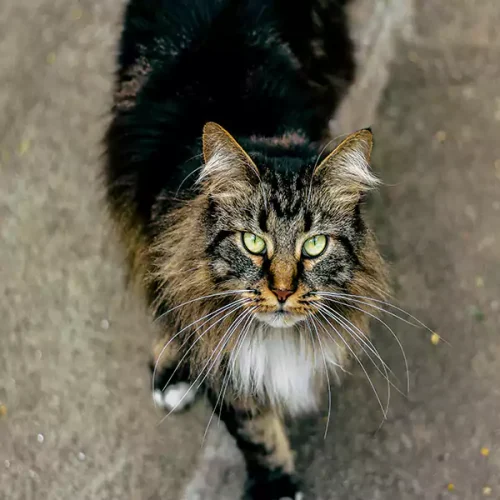
The Maine Coon is one of the few cat breeds that originated naturally, without intentional human-designed breeding programs. Their history is wrapped in folklore, mystery, and survival — which only adds to their charm.
🗺 Origins in North America
The Maine Coon is native to the United States, specifically the state of Maine, where it is officially recognized as the state cat.
This makes the Maine Coon one of the oldest natural breeds in North America.
Unlike many modern breeds that were developed through selective crossbreeding, Maine Coons evolved naturally to survive harsh climates, rugged landscapes, and long winters.
🌨 Built for Survival
Maine experiences:
- Heavy snowfall
- Freezing winters
- Wet coastal weather
- Dense forests
To survive, cats in this region developed:
- Large, muscular bodies
- Thick, water-resistant coats
- Long, bushy tails for warmth
- Tufted ears to protect from cold
- Big paws to walk on snow
Every physical feature of the Maine Coon exists for a reason — function before beauty.
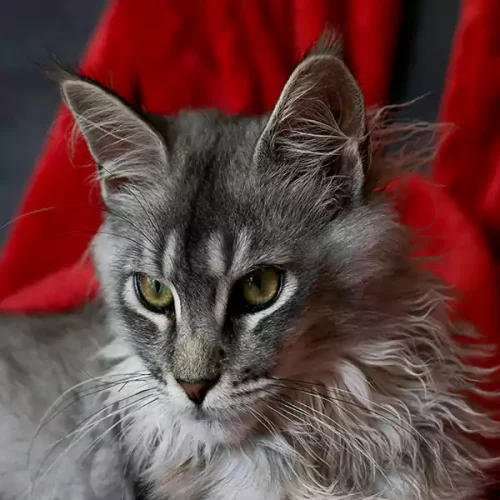
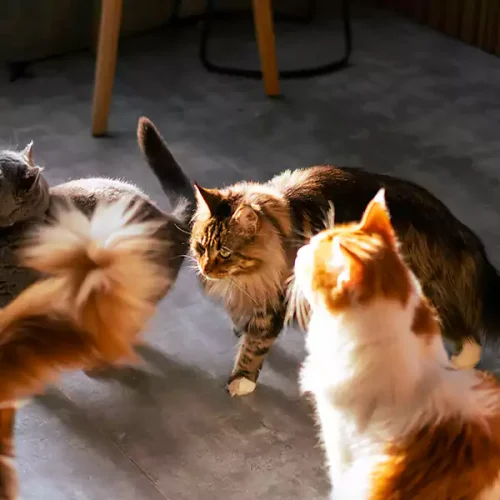
🧙 Legends & Myths (Why They Exist)
There are many popular myths about Maine Coons, including:
- They descended from raccoons (genetically impossible)
- They were companions of Marie Antoinette
- They came from Viking ship cats
While these stories aren’t scientifically proven, they highlight how unusual and impressive the breed appeared to early observers.
What we do know is that long-haired cats likely arrived in North America via ships, where they naturally mixed with local cats and adapted over generations.
🐾 Farm Cats to Show Champions
In the 1800s, Maine Coons were prized as working cats on farms and ships, valued for:
- Hunting rodents
- Intelligence
- Loyalty
- Endurance
As cat shows began in the late 19th century, Maine Coons quickly gained attention for their size and beauty. They were among the first show cats in America.
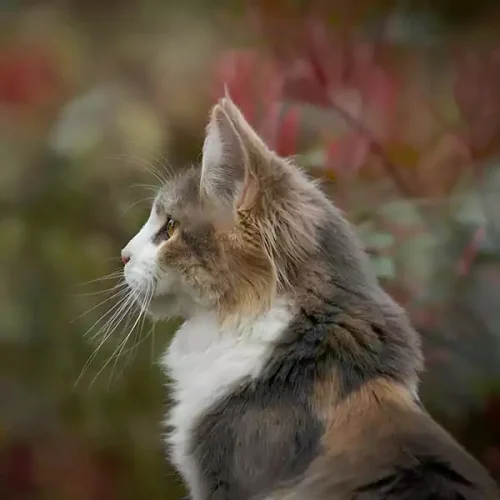
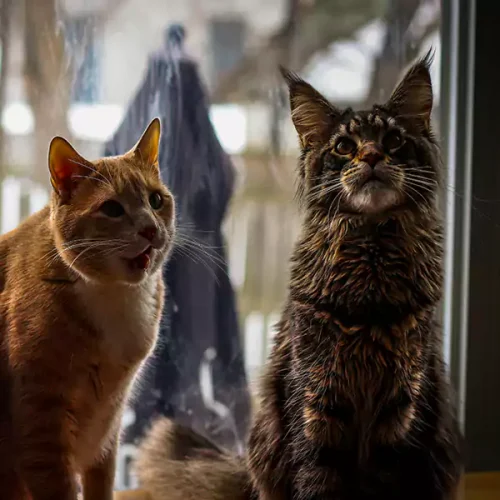
⚠️ Decline & Revival
When Persian cats became popular in the early 1900s, Maine Coons temporarily lost favor. Their numbers declined, and for a time, they were considered “old-fashioned.”
Thankfully, dedicated breeders preserved the breed, and by the mid-20th century, Maine Coons made a powerful comeback.
Today, they are:
- One of the top 3 most popular breeds in the USA
- Highly sought after in Europe, Canada, UAE, and Asia
- Regular winners at international cat shows
Maine Coon Cats Characteristics
The Maine Coon is a breed that impresses both visually and emotionally. To truly understand them, we need to explore their physical traits, personality, intelligence, and communication style in detail.
Physical Features
Maine Coons are famous for being the largest domesticated cat breed, but size alone doesn’t define them — it’s how everything comes together.
1. Size & Overall Build
Maine Coons are big, powerful cats with a rectangular body shape.
Average Size:
Males: 6–9 kg (13–20 lbs), sometimes more
Females: 4–6.5 kg (9–14 lbs)
Some exceptional males can exceed 10 kg, especially in European bloodlines.
They are not fat — they are long, muscular, and solid.
2. Head Shape & Facial Features
Their head is medium to large, with a slightly square muzzle.
Key features include:
- High cheekbones
- Strong chin
- Long whiskers
- Large, expressive eyes
- Lynx-like ear tufts
Their face often looks alert, intelligent, and gentle at the same time.
3. Ears: One of Their Most Iconic Traits
Maine Coons have:
- Large ears
- Wide base
- Tapered tips
- Prominent lynx-like tufts
These ears evolved to protect them from cold and snow.
4. Coat: Thick, Shaggy & Weather-Resistant
The Maine Coon’s coat is semi-long and uneven — shorter on the shoulders and longer on the belly and tail.
Coat characteristics:
- Water-resistant texture
- Dense undercoat
- Fluffy belly fur
- Long, flowing tail
Unlike Persian coats, Maine Coon fur is less prone to matting, but still requires regular care.
5. Tail: Long, Bushy & Functional
Their tail is often as long as their body and serves multiple purposes:
- Wrapped around the body for warmth
- Used for balance
- Helps in communication
- It’s one of the most dramatic tails in the cat world.
6. Paws: Snowshoe-Like Feet
Maine Coons have:
- Large, round paws
- Tufts of fur between toes
These act like natural snowshoes, helping them walk on snow and cold surfaces.
7. Growth Rate: Slow & Gradual
Maine Coons take longer to mature than most cats.
- Height growth: up to 1 year
- Body length & muscle: up to 3–4 years
- Full maturity: around 4–5 years
This slow growth contributes to their impressive adult size.
Personality Traits (Warm, Conversational Explanation)
Despite their size, Maine Coons are famously gentle, friendly, and emotionally intelligent.
1. Gentle Giants
They are big cats with soft hearts.
Maine Coons are:
- Kind
- Patient
- Playful
- Tolerant
- Emotionally aware
They rarely show aggression and are excellent with children.
2. Extremely Social & People-Oriented
Maine Coons love being part of the family.
They often:
- Follow you around
- Sit near you
- Watch what you’re doing
- Join family activities
They don’t like being ignored for long periods.
3. Affectionate but Not Overbearing
They enjoy:
- Head rubs
- Gentle petting
- Sleeping nearby
But they’re not demanding lap cats. Their affection feels balanced and respectful.
4. Playful Well into Adulthood
Unlike many breeds that slow down early, Maine Coons stay playful for years.
They enjoy:
- Fetch
- Puzzle toys
- Wand toys
- Interactive play
Their play style is controlled, not destructive.
5. Dog-Like Qualities
Many owners describe Maine Coons as “dog-like” because they:
- Greet owners at the door
- Come when called
- Enjoy interactive games
- Form strong emotional bonds
Intelligence & Trainability
Maine Coons are highly intelligent.
They learn:
- Routines quickly
- Their name
- House rules
- Simple commands
- How to open doors (sometimes!)
They enjoy mental stimulation and problem-solving toys.
Communication & Social Behavior
Maine Coons are not loud meowers. Instead, they use:
- Soft chirps
- Trills
- Gentle meows
- Body language
- Eye contact
Their voice is surprisingly soft for such a large cat — one of their most endearing traits.
Types of Maine Coon Cats
Unlike some breeds that are divided into face types or body types, Maine Coons are classified mainly by bloodline style, coat pattern, and size characteristics. While genetically they remain one breed, experienced breeders and owners recognize clear differences in appearance and structure.
Understanding these types helps buyers choose the Maine Coon that fits their preference, lifestyle, and budget.
American Maine Coon (Traditional Type)
This is the original and most natural form of the Maine Coon.
Appearance
American Maine Coons have:
- Medium-large size (still big, but balanced)
- Slightly rounded head
- Softer facial angles
- Moderately tufted ears
- Natural, rugged look
Their features are less exaggerated and closer to what you’d expect from a naturally evolved breed.
Personality
They are:
- Extremely friendly
- Family-oriented
- Calm and adaptable
- Slightly less dominant than European lines
This type is perfect for families and first-time Maine Coon owners.
European Maine Coon (Modern Show Type)
European Maine Coons are what most people imagine when they think of a “giant wild cat.”
Appearance
European lines are known for:
- Very large size
- Long rectangular body
- High cheekbones
- Square muzzle
- Large lynx-tipped ears
- Intense, wild expression
They often look more dramatic and striking than American lines.
Personality
Despite their wild look, they are:
- Extremely gentle
- Confident
- Playful
- Loyal
Because of their size and strength, they need more space and sturdy furniture.
Polydactyl Maine Coon
Polydactyl Maine Coons have extra toes, usually on their front paws.
Why it happens?
This is a natural genetic trait that helped early Maine Coons walk on snow and grip surfaces better.
Features
- 6–7 toes on one or more paws
- Larger, mitten-like feet
- Unique appearance
Polydactyl Maine Coons are rare and often more expensive.
Giant Maine Coon
Not an official type, but a commonly used term.
These Maine Coons:
- Come from large European bloodlines
- Can weigh 9–12 kg as adults
- Have extremely long bodies and tails
They require more food, space, and grooming, but they’re still gentle and affectionate.
Maine Coon Mix (Non-Pedigree)
Some cats resemble Maine Coons but lack pedigree papers.
They may have:
- Long fur
- Ear tufts
- Bushy tail
However, they won’t always have the predictable temperament or size of a purebred Maine Coon.
Maine Coon Cat Colors
One of the most fascinating things about Maine Coons is their huge range of colors and patterns. In fact, Maine Coons come in almost every color except chocolate, lilac, cinnamon, and fawn (which are not accepted in most breed standards).
Let’s break them down properly.
Brown Tabby Maine Coon (Most Common & Iconic)
This is the classic “wild forest cat” look.
Appearance
- Brown base coat
- Black tabby markings
- M-shaped marking on forehead
- Golden or green eyes
This color highlights their wild ancestry beautifully.
Black Maine Coon
Solid black Maine Coons look incredibly majestic.
- Jet black coat
- Golden or copper eyes
- Glossy shine in sunlight
They look especially striking when large in size.
White Maine Coon
Pure white Maine Coons look regal and angelic.
Eye colors can be:
- Blue
- Gold
- Odd-eyes (very rare)
White Maine Coons require extra grooming to keep their coat clean.
Red (Orange) Maine Coon
These cats have a warm, fiery coat.
- Shades range from deep orange to pale ginger
- Often paired with tabby patterns
- Friendly, playful expression
They are extremely popular with families.
Cream Maine Coon
A dilute version of red.
- Soft pastel cream coat
- Pink nose and paw pads
- Gentle, plush appearance
Cream Maine Coons look very elegant and calm.
Blue (Grey) Maine Coon
A dilute black color that appears grey-blue.
- Smoky grey coat
- Soft silver undertone
- Gold or green eyes
Blue Maine Coons are very popular in Europe.
Silver Maine Coon
Silver Maine Coons have:
- White base coat
- Dark silver or black tipping
- High contrast patterns
This gives them a shimmering, frosted look.
Smoke Maine Coon
Smoke Maine Coons look solid at rest, but when they move, a white undercoat becomes visible.
- Dramatic appearance
- Very rare
- Highly valued
Tortoiseshell Maine Coon
Mostly female.
- Mix of black and red
- Random, unique patterns
- Bold and beautiful look
Each tortie Maine Coon is one of a kind.
Calico Maine Coon
A tri-color pattern:
- White
- Black
- Red
Calicos are vibrant and eye-catching.
Bi-Color Maine Coon
A combination of white with another color.
Examples:
- Black & white
- Blue & white
- Red & white
Very popular among show cats.
Shaded & Chinchilla Maine Coons
These have light undercoats with darker tips.
- Silver shaded
- Silver chinchilla
Extremely rare and luxurious looking.
Maine Coon Cats Price Around the World (With Price Tags)
Maine Coon prices vary widely based on:
- Bloodline (American vs European)
- Size potential
- Color rarity
- Pedigree
- Breeder reputation
- Country demand
Global Maine Coon Cats Prices 2025
| Country | Average Price |
| USA | 🏷 $1,000 – $3,500 |
| UK | 🏷 £800 – £2,500 |
| Canada | 🏷 CAD 1,200 – 4,000 |
| Australia | 🏷 AUD 1,500 – 4,500 |
| UAE | 🏷 AED 3,000 – 7,000 |
| India | 🏷 ₹35,000 – ₹1,20,000 |
| Europe | 🏷 €900 – €3,500 |
Most Expensive Maine Coon Types
🏷 European bloodline
🏷 Polydactyl
🏷 Silver / Smoke
🏷 Giant-size lines
🏷 Show-quality pedigree
Complete Maine Coon Cats Care Guide
Maine Coons may look wild, but they’re surprisingly manageable with the right routine.
Grooming Needs
Maine Coons have long fur but less matting than Persians.
Brushing:
- 2–3 times per week
- Daily during shedding seasons
Tools:
- Wide-tooth comb
- Slicker brush
- De-shedding tool
Bathing:
- Once every 6–8 weeks
- Always dry thoroughly
Feeding & Nutrition
Because of their size, Maine Coons need high-quality, protein-rich diets.
Diet should include:
- Chicken
- Turkey
- Fish
- Taurine
- Omega-3 & 6
Feeding schedule:
- Kittens: 4 meals/day
- Adults: 2–3 meals/day
Avoid overfeeding — large doesn’t mean overweight.
Litter Box Requirements
Maine Coons need:
- Extra-large litter boxes
- High sides
- Soft clumping litter
Small boxes cause accidents.
Toys & Enrichment
They love:
- Puzzle feeders
- Wand toys
- Fetch games
- Climbing trees (strong ones!)
They are intelligent and need mental stimulation.
Environment Needs
Maine Coons adapt well but prefer:
- Spacious homes
- Cool environments
- Strong furniture
- Clean water access
Common Owner Mistakes
❌ Small litter boxes
❌ Weak scratching posts
❌ Underestimating food needs
❌ Ignoring grooming
❌ Not budgeting for vet care
Maine Coon Cats Health Issues
Maine Coons are generally strong, hardy cats thanks to their natural evolution. However, their large size and genetics mean there are a few health conditions every responsible owner should understand.
Early awareness = longer, healthier life.
Hypertrophic Cardiomyopathy (HCM)
This is the most important health issue to be aware of.
HCM causes the heart muscle to thicken, making it harder for the heart to pump blood efficiently.
Symptoms may include:
- Lethargy
- Rapid or labored breathing
- Sudden weakness
- Loss of appetite
Important to know:
Many cats show no early symptoms, which is why ethical breeders test breeding cats for HCM.
Prevention & management:
- Buy kittens from HCM-tested parents
- Annual heart check-ups
Early diagnosis helps slow progression
Hip Dysplasia
Because Maine Coons are large and heavy, hip dysplasia can occur.
Signs:
- Difficulty jumping
- Limping
- Stiffness after rest
- Reduced activity
Management:
- Keep weight under control
- Joint supplements
- Soft bedding
- Vet monitoring
Spinal Muscular Atrophy (SMA)
SMA is a genetic condition affecting muscle control.
Symptoms:
- Weakness in the hind legs
- Unsteady gait
- Muscle wasting
Cats with SMA can still live happy lives, but breeding cats should always be genetically tested.
Obesity
Large frame ≠ overweight.
Maine Coons love food and can gain weight easily if overfed.
Risks of obesity:
- Joint stress
- Heart strain
- Reduced lifespan
Controlled feeding and daily play are essential.
Dental Issues
Their large jaws can still develop:
- Tartar buildup
- Gum disease
- Bad breath
Prevention:
- Weekly tooth brushing
- Dental treats
- Annual dental checks
Hairballs
Long fur means more grooming ingestion.
Prevention:
- Regular brushing
- Hairball-control food
- Hydration
Maine Coon Cats Behavior
Maine Coons are not just big cats — they have big personalities.
Gentle, Social & Emotionally Intelligent
Maine Coons are emotionally aware cats. They often sense moods and adjust their behavior accordingly.
They are:
- Gentle with children
- Patient with handling
- Rarely aggressive
- Calm even in busy homes
Strong Bond With Humans
Maine Coons form deep attachments.
They often:
- Follow owners around
- Sit nearby constantly
- Sleep close to their people
- Greet owners at the door
They don’t like isolation for long periods.
Dog-Like Personality Traits
Many owners say Maine Coons feel “dog-like” because they:
- Come when called
- Play fetch
- Enjoy leash training
- Like interactive games
Playful but Controlled
They love to play, but it’s not chaotic.
Preferred play style:
- Fetch
- Wand toys
- Puzzle feeders
- Gentle wrestling
They stay playful well into adulthood.
Vocalization & Communication
Maine Coons don’t meow loudly.
Instead, they use:
- Chirps
- Trills
- Soft meows
Their voice is surprisingly gentle for their size.
Maine Coon Cats Lifespan & Growth Stages
Average Lifespan
12–16 years, sometimes longer, with excellent care.
Growth Stages Explained
0–3 Months (Kitten Stage)
- Rapid growth
- Highly playful
- Social learning phase
3–6 Months
- Increased curiosity
- Developing coordination
- Teething begins
6–12 Months
- Growth continues
- Energy levels high
- Personality forming
1–3 Years
- Muscle mass develops
- Size increases dramatically
3–5 Years
- Full adult size reached
- Emotional maturity
6–10 Years
- Stable adult years
10+ Years
- Senior care needed
- Joint and weight monitoring
Maine Coons take longer to mature than most breeds.
Maine Coon Cats Adoption Guide
Adopting a Maine Coon is deeply rewarding.
Where to Adopt
- Breed-specific rescues
- Animal shelters
- Rehoming groups
- Ethical breeders (retired adults)
What to Check Before Adopting
Health:
- Clear eyes
- Clean ears
- Smooth gait
- Healthy coat
Behavior:
- Curious
- Social
- Comfortable with humans
Documents (if available):
- Vaccination
- Genetic testing
- Microchip
Why Adopt a Maine Coon?
- Extremely loyal
- Adaptable
- Gentle with families
- Deeply affectionate
Maine Coon Cats FAQs
1. Are Maine Coon cats good pets?
Yes, Maine Coon cats are considered one of the best pet cat breeds in the world. They are affectionate, friendly, and emotionally intelligent, forming strong bonds with their owners. Unlike aloof or aggressive breeds, Maine Coons enjoy human company and integrate easily into daily family life. Their gentle nature makes them suitable for both experienced and first-time cat owners.
2. Are Maine Coons good for families?
Maine Coons are excellent family cats. They are patient, tolerant, and gentle with children, making them ideal for households with kids. They usually handle noise, activity, and multiple people very well without becoming stressed. As long as children are taught respectful handling, Maine Coons thrive in family environments.
3. Do Maine Coons shed a lot?
Yes, Maine Coons do shed, especially during seasonal coat changes in spring and autumn. Their long, dense coat naturally releases more hair during these periods. Regular brushing significantly reduces shedding and prevents hair from spreading around the house. Shedding is normal and manageable with proper grooming.
4. Are Maine Coons high maintenance?
Maine Coons are considered moderate maintenance, not high maintenance. They require regular grooming, quality food, and larger accessories due to their size. However, emotionally, they are very easy cats — calm, adaptable, and not demanding or anxious. Their care needs are predictable and manageable with a routine.
5. How big do Maine Coons get?
Maine Coons are the largest domesticated cat breed. Adult males typically weigh between 6–9 kg, and some can grow even larger depending on genetics. Females are slightly smaller but still larger than average cats. Their size comes from length and muscle, not obesity.
6. Are Maine Coons aggressive?
No, Maine Coons are not aggressive. In fact, aggression is extremely rare in this breed. They are known for their calm temperament, patience, and friendly nature. Any aggressive behavior is usually due to fear, poor socialization, or health issues—not the breed itself.
7. Do Maine Coons like being held?
Some Maine Coons enjoy being held, while others prefer sitting beside their owners rather than in their arms. Because of their large size, many feel more comfortable resting next to you instead of on your lap. This preference is normal and does not indicate a lack of affection.
8. Are Maine Coons good with dogs?
Yes, Maine Coons generally get along very well with dogs, especially calm and friendly ones. Their confident, social nature helps them adapt to multi-pet households. Proper introductions are important, but once settled, Maine Coons often form strong bonds with dogs.
9. Can Maine Coons live in apartments?
Yes, Maine Coons can live comfortably in apartments as long as their needs are met. They require enough space to move around, sturdy furniture, and mental stimulation. Interactive play and cat trees help compensate for limited space.
10. Do Maine Coons need outdoor access?
No, Maine Coons do not need outdoor access to be happy. They thrive as indoor cats when provided with enrichment, play, and companionship. Indoor living also protects them from traffic, diseases, and theft, especially since they are a valuable breed.
11. Are Maine Coons vocal?
Maine Coons are communicative but not loud. Instead of constant meowing, they use soft chirps, trills, and gentle sounds to interact with their owners. Their voice is surprisingly quiet for such a large cat, which many owners find charming.
12. Why does my Maine Coon chirp instead of meow?
Chirping is a natural Maine Coon communication style. They use chirps and trills to express excitement, curiosity, or affection. This behavior is deeply ingrained in the breed and is often used when greeting owners or watching birds.
13. Do Maine Coons Cats like water?
Many Maine Coons Cats show a unique fascination with water compared to other cats. They may play with running taps, watch water bowls, or even enjoy shallow water. This curiosity likely comes from their history as ship and farm cats.
14. Are Maine Coons Cats intelligent?
Yes, Maine Coons Cats are highly intelligent cats. They learn routines quickly, understand household rules, and enjoy problem-solving toys. Their intelligence also makes them easier to train compared to many other breeds.
15. Can Maine Coons Cats be leash-trained?
Yes, many Maine Coons Cats can be leash-trained successfully. Their calm and confident nature makes them more accepting of harnesses than most cats. Training should begin slowly and positively, ideally at a young age.
16. Are Maine Coons Cats hypoallergenic?
No, Maine Coons Cats are not hypoallergenic. They produce normal levels of cat allergens and shed a significant amount of fur. People with allergies may still react to them.
17. How often should I groom a Maine Coon?
Maine Coons Cats should be brushed 2–3 times per week, and daily during heavy shedding seasons. Regular grooming prevents matting, reduces hairballs, and keeps their coat healthy. Despite their long fur, their coat is easier to manage than Persian cats.
18. Do Maine Coons Cats get lonely?
Maine Coons Cats are social cats and can feel lonely if left alone for very long periods. They enjoy companionship from humans or other pets. If you’re away often, having another pet or providing enrichment helps reduce loneliness.
19. Are Maine Coons Cats expensive?
Yes, Maine Coons Cats can be expensive to purchase and maintain. Their size increases costs for food, grooming, litter, and veterinary care. However, many owners feel the emotional rewards far outweigh the expenses.
20. Why is my Maine Coon so big?
Large size is completely normal for Maine Coons Cats. They are genetically designed to be long, muscular, and powerful. As long as your cat maintains a healthy body shape and weight, their size is not a concern.
21. When do Maine Coons Cats stop growing?
Maine Coons Cats grow slowly and usually reach full size between 4–5 years of age. This extended growth period is one reason they become so large and well-developed compared to other breeds.
22. Do Maine Coons Cats sleep a lot?
Yes, like most cats, Maine Coons Cats sleep between 12–16 hours a day. This is completely normal and helps them conserve energy. Kittens and seniors may sleep even more.
23. Are Maine Coons Cats good for first-time owners?
Yes, Maine Coons Cats are an excellent choice for first-time cat owners. Their friendly temperament, intelligence, and adaptability make them easy to live with. As long as owners are prepared for grooming and size-related needs, they’re very rewarding pets.
24. Can Maine Coons Cats travel well?
Maine Coons Cats generally travel well if introduced to carriers and car rides early. Their calm personality helps them adapt better than anxious breeds. Gradual exposure and positive experiences make travel easier.
25. Are Maine Coons Cats playful as adults?
Yes, Maine Coons Cats remain playful well into adulthood. They enjoy interactive games, puzzle toys, and play sessions even as seniors. Their play style is energetic but controlled.
26. Do Maine Coons Cats scratch furniture?
Maine Coons Cats usually do not damage furniture if provided with proper scratching posts. They prefer sturdy, tall scratchers that can handle their size. Scratching is natural behavior, not misbehavior.
27. How much should I feed a Maine Coon?
Maine Coons Cats need more food than average cats due to their size, but portions must still be controlled. A high-protein diet with measured servings helps maintain muscle without causing obesity. Free-feeding is not recommended.
28. Do Maine Coons Cats drool?
Some Maine Coons Cats drool occasionally, especially when relaxed or being petted. Mild drooling is usually normal. Excessive drooling should be checked by a vet.They can — especially in noisy homes.
29. Can Maine Coons Cats live in hot climates?
Yes, Maine Coons Cats can live in hot climates with proper care. Access to air conditioning, fresh water, and grooming helps them stay comfortable. Heat management is important due to their thick coat.
30. Are Maine Coons Cats good indoor cats?
Yes, Maine Coons Cats are excellent indoor cats. They adapt well to indoor life and benefit from the safety it provides. With enrichment and interaction, they don’t miss outdoor access.
31. Are Maine Coons Cats good with other cats?
Yes, Maine Coons Cats are generally very social with other cats. They tend to be tolerant and friendly, especially when introduced properly. Their confident nature helps reduce territorial issues.
32. Do Maine Coons Cats need large litter boxes?
Yes, Maine Coons Cats require extra-large litter boxes due to their size. Small boxes can cause discomfort and accidents. Spacious boxes improve hygiene and comfort.
33. Why is my Maine Coon always following me?
Maine Coons Cats are extremely people-oriented and enjoy being near their owners. Following you around is a sign of affection and curiosity. They like to stay involved in household activities.
34. Are Maine Coons Cats calm or energetic?
Maine Coons Cats have a balanced personality. They are playful and energetic during playtime, but calm and relaxed the rest of the day. This balance makes them ideal companions.
35. Can Maine Coons Cats be trained?
Yes, Maine Coons Cats are highly trainable. They respond well to positive reinforcement and can learn commands, tricks, and routines. Training also provides mental stimulation.
36. Why does my Maine Coon sleep on my chest?
Sleeping on your chest is a bonding behavior. It means your Maine Coon feels safe, attached, and comforted by your presence. It’s a strong sign of trust.
37. Are Maine Coons Cats expensive to maintain?
Maintenance costs are moderate to high due to their size. Food, grooming tools, large accessories, and vet care cost more than average. Budgeting ahead is important.
38. Do Maine Coons Cats like climbing?
Yes, Maine Coons Cats enjoy climbing but need very sturdy cat trees. Weak furniture can break under their weight. Strong climbing structures keep them physically and mentally stimulated.
39. Are Maine Coons Cats rare?
Maine Coons Cats themselves are not rare, but high-quality bloodlines, rare colors, and show-quality cats can be difficult to find. Ethical breeders often have waiting lists.
40. Are Maine Coons Cats worth it?
Yes — emotionally, absolutely. Maine Coons Cats offer companionship, loyalty, intelligence, and affection, unlike many other breeds. For people who want a deeply connected pet, they are more than worth it.