
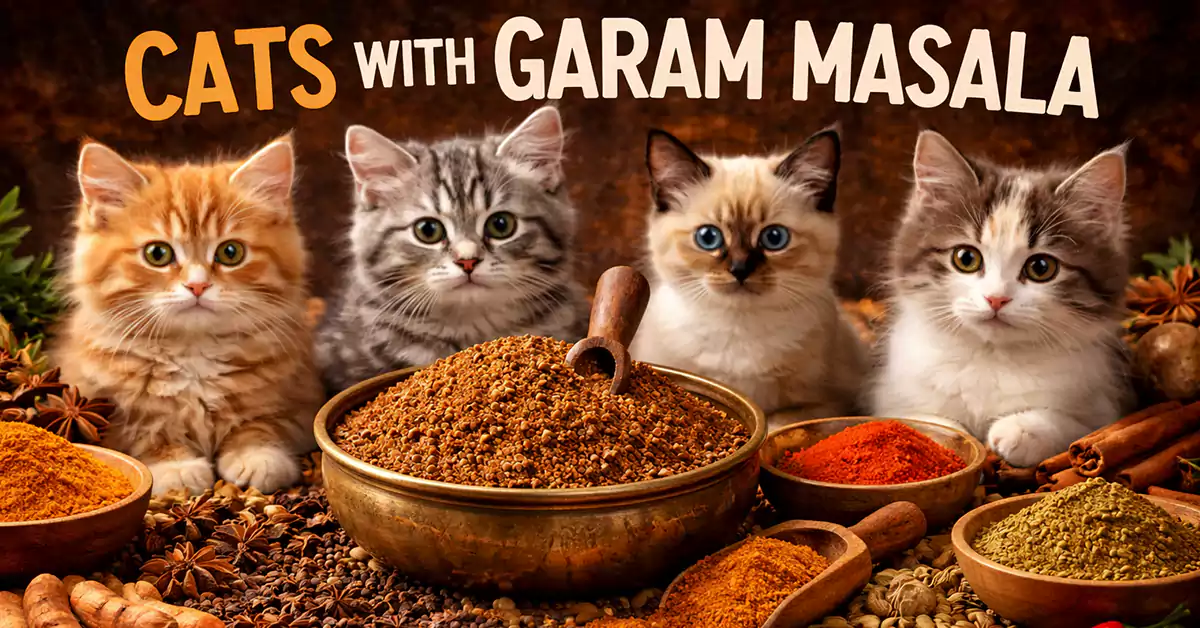
If you live in an Indian household, garam masala is probably sitting right there in your kitchen. It goes into almost everything—sabzi, dal, curries, gravies, and even some snacks. The aroma is strong, warm, and tempting. And if you’re a cat parent, just like me, and if you’ve noticed your cat wandering into the kitchen, sniffing around while food is being cooked, because my cat always loiters around the kitchen and sniffs food, however, not all food, especially the spices, is good for them.
That’s when these thoughts hit in mind just like you.
| Feature | Cat Grass Kit | Cat Water Fountain | Cat Probiotics | Healthy Cat Treats | Interactive Cat Toy |
|---|---|---|---|---|---|
| Image |

|

|
|

|

|
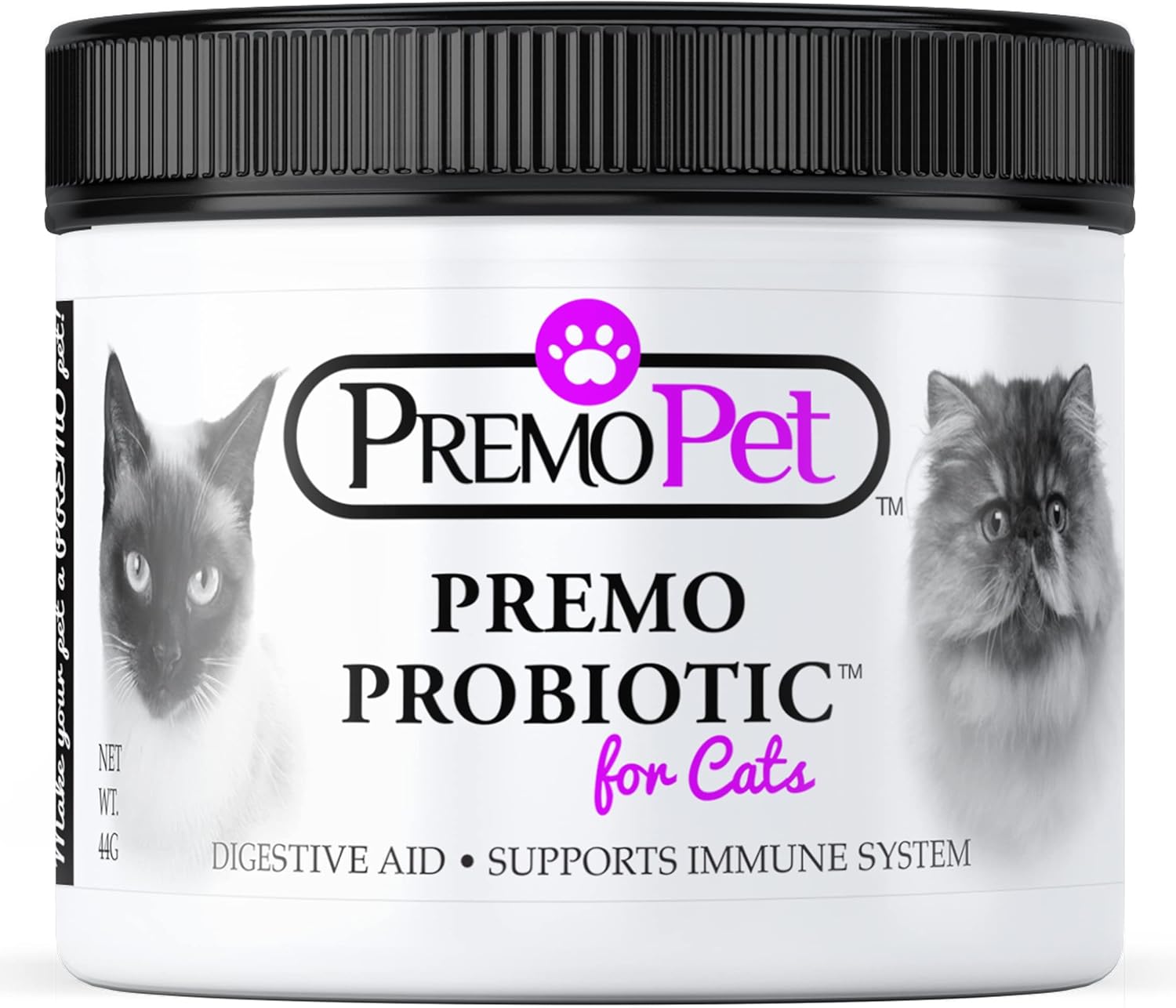
| Product Name | Cat Grass Growing Kit | Cat Water Fountain | Cat Digestive Probiotics | Healthy Cat Treats | Interactive Cat Toy |
| Best For | Indoor cats & safe grazing | Hydration & urinary health | Digestive support | Rewards & nutrition | Exercise & enrichment |
| Affiliate Potential | ⭐⭐⭐⭐☆ | ⭐⭐⭐⭐⭐ | ⭐⭐⭐⭐⭐ | ⭐⭐⭐⭐☆ | ⭐⭐⭐☆☆ |
| Why Buy? | Provides a safe alternative to outdoor grass and supports digestion. | Encourages cats to drink more water throughout the day. | Supports a healthy gut and reduces digestive discomfort. | Delicious rewards with added nutritional benefits. | Keeps indoor cats active and mentally stimulated. |
| Buy Now | Buy Now | Buy Now | Buy Now | Buy Now | Buy Now |
What if my cat tastes garam masala by mistake?
Is garam masala safe for cats, or can it harm them?
You’re not overthinking this. Many Indian pet parents, just like me, ask the same question, especially because garam masala is such a regular part of daily cooking. In this article, we’ll break it down clearly and honestly—what garam masala is, why it’s risky for cats, what happens if a cat eats it, and what you should do as a responsible pet parent.
What Is Garam Masala?
Garam masala is not a single spice. It’s a blend of multiple spices, and the exact ingredients can vary by region and household. However, most garam masala mixes usually contain some combination of:
- Cinnamon (dalchini)
- Cloves (laung)
- Cardamom (elaichi)
- Black pepper
- Cumin
- Coriander seeds
- Bay leaf
- Nutmeg (sometimes)
- Mace (sometimes)
These spices are warming for humans and add depth of flavor to food. But what works for the human digestive system does not work the same way for cats.
Can Cats Eat Garam Masala?
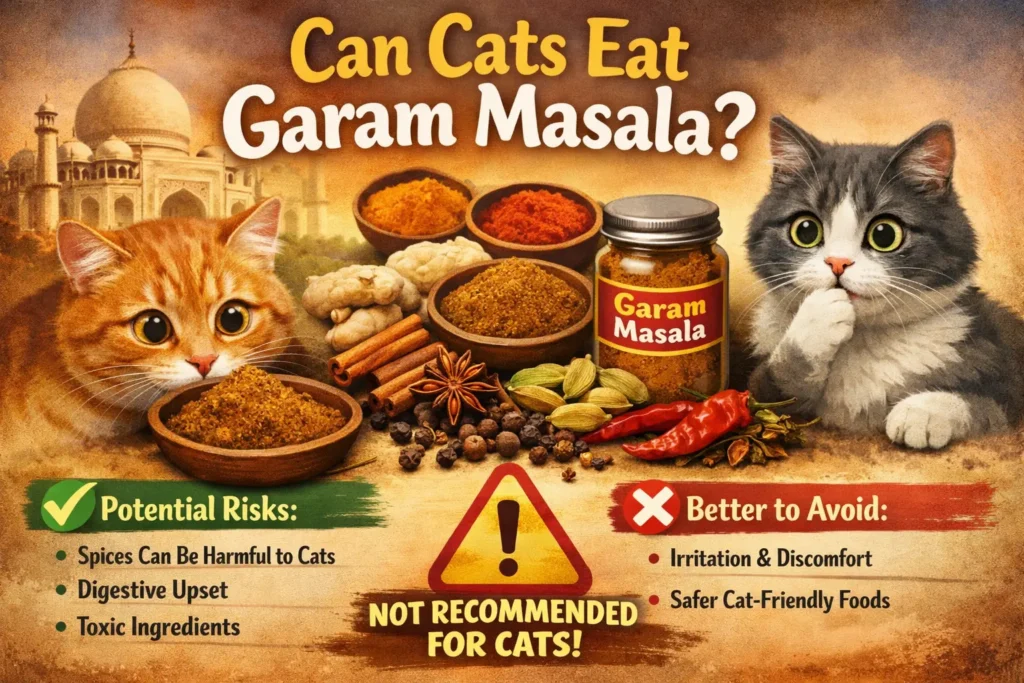
No, cats should not eat garam masala.
Garam masala is not safe for cats, even in small amounts. While it may not always be instantly toxic like some foods, it can cause serious digestive irritation and discomfort. Some ingredients in garam masala can be actively harmful, while others are simply too strong for a cat’s sensitive system.
Cats are obligate carnivores. Their bodies are designed to digest meat, not complex spice blends meant for human cooking.
Is Garam Masala Toxic to Cats?
Garam masala is not toxic in the strict “poison” sense, but that doesn’t mean it’s safe.
Here’s the important distinction:
- Not toxic does not mean harmless
- Garam masala can still make a cat sick
Certain spices in garam masala—like cloves, nutmeg, and black pepper—can be particularly irritating to cats. Nutmeg, for example, is known to be dangerous for pets in larger amounts. Even spices that are safe for humans can overwhelm a cat’s digestive system.
Why Garam Masala Is Dangerous for Cats?
Often, cat owners feel the urge to give food that is cooked for them to their cats or pets out their love for the pet. However, you should understand one thing that a cat’s digestive system is different from a human and they can’t digest certain foods and drinks as well as Garam Masala.
1. Cats Have Extremely Sensitive Digestive Systems
Cats cannot process strong spices. Even a small lick of spiced food can lead to stomach upset.
2. Multiple Spices = Multiple Risks
Because garam masala is a blend, you’re not dealing with one ingredient—you’re dealing with many at once. This increases the chance of irritation or adverse reactions.
3. Spices Can Irritate the Mouth and Gut
Strong spices can cause:
- Mouth irritation
- Drooling
- Burning sensation in the throat
- Upset stomach
4. Often Comes with Onion & Garlic
Most foods containing garam masala also include onion and garlic, which are toxic to cats. This makes spiced Indian food especially dangerous.
What Happens If a Cat Eats Garam Masala?
If a cat accidentally eats food containing garam masala, symptoms can appear within a few hours.
Common Symptoms to Watch For:
- Vomiting
- Diarrhea
- Excessive drooling
- Loss of appetite
- Lethargy
- Pawing at the mouth
- Signs of stomach pain
In mild cases, symptoms may pass on their own. However, if the food also contained onion, garlic, or a large amount of spice, the reaction can be more serious.
Can Cats Eat Food Cooked With Garam Masala?
No, you should never give food to your cat that is prepared with garam masala, as it may create several health problems for your cat.
Even if the garam masala is “just a pinch,” it still makes the food unsafe for cats. Indian curries, sabzis, and dals are usually layered with spices, oil, salt, and aromatics—all of which are unsuitable for cats.
Many pet parents think:
“I’ll just give a small bite, it won’t matter.”
Unfortunately, for cats, small amounts do matter.
Why Do Cats Seem Interested in Spicy Indian Food?
This confuses many pet parents.
Cats are not attracted to spice the way humans are. They can’t taste spiciness. What attracts them is:
- Strong smells
- Warm food
- Meat or dairy mixed into dishes
- Curiosity
So if your cat sniffs or licks spiced food, it doesn’t mean they enjoy it or that it’s good for them. It just means they’re curious.
Can Kittens Eat Garam Masala?
Absolutely not.
Kittens have even more sensitive digestive systems than adult cats. Any exposure to spiced food—including garam masala—can quickly cause diarrhea, dehydration, and weakness. Kittens should only be fed age-appropriate cat food recommended by a veterinarian.
What Should You Do If Your Cat Eats Garam Masala?
- Remove access immediately
Take the food away so your cat doesn’t eat more. - Offer fresh water
Hydration helps flush irritants from the system. - Monitor closely for 24 hours
Watch for vomiting, diarrhea, or behavior changes. - Contact a vet if symptoms persist
Especially if the food contained onion, garlic, or heavy spices.
Do not try home remedies or force food.
Are Any Spices Safe for Cats?
In general, cats do not need spices at all. Even spices considered “mild” for humans offer no health benefit to cats.
Some herbs in tiny, controlled amounts may be used in commercial cat food, but that is very different from kitchen spices like garam masala.
Healthier Alternatives for Cats
If your cat shows interest in human food, safer alternatives include:
- Plain boiled chicken (no salt, no spices)
- Plain cooked fish (boneless, unseasoned)
- Commercial cat treats
- Vet-approved cat food
These provide nutrition without risking your cat’s health.
Frequently Asked Questions (FAQs)
Here I am sharing a few common questions that often arise in the mind of cat owners, so here I have tried to answer all questions so check out the below faq section.
No, cats should not lick or eat food that contains Garam masala. Even licking can expose cats to strong spices. It’s best to avoid allowing this.
In simple words, ‘No’. Cooking alone does not make spices safe for cats. They are generally unsafe for the cats or kittens. So you should avoid giving garam masala food to your cat.
Curries still contain spices, oil, and aromatics. They are unsafe.
One bite may not be fatal, but it can still cause stomach upset. Monitor your cat closely.
No. Homemade garam masala still contains the same spices that are unsafe for cats.
Final Verdict: Is Garam Masala Safe for Cats?
No, in my opinion, garam masala is not safe for cats.
While it may not always cause immediate poisoning, it poses unnecessary risks to your cat’s digestive system and overall comfort. Cats do not benefit from spices, and exposure can lead to stomach upset, irritation, and potential complications—especially when combined with other common Indian cooking ingredients.
As a pet parent, the safest choice is simple:
Keep garam masala and spiced foods away from your cat, and stick to foods made specifically for feline health.
Disclaimer
This article is intended for informational purposes only and is based on general knowledge about feline nutrition and common food ingredients. It is not a substitute for professional veterinary advice, diagnosis, or treatment.
Every cat is different, and reactions to foods may vary depending on age, health, and individual sensitivity. If your cat has eaten something unusual or is showing signs of illness, always consult a qualified veterinarian for proper guidance.
| Feature | Cat Grass Kit | Cat Water Fountain | Cat Probiotics | Healthy Cat Treats | Interactive Cat Toy |
|---|---|---|---|---|---|
| Image |
|
|
|
|
|
| Product Name | Cat Grass Growing Kit | Cat Water Fountain | Cat Digestive Probiotics | Healthy Cat Treats | Interactive Cat Toy |
| Best For | Indoor cats & safe grazing | Hydration & urinary health | Digestive support | Rewards & nutrition | Exercise & enrichment |
| Affiliate Potential | ⭐⭐⭐⭐☆ | ⭐⭐⭐⭐⭐ | ⭐⭐⭐⭐⭐ | ⭐⭐⭐⭐☆ | ⭐⭐⭐☆☆ |
| Why Buy? | Provides a safe alternative to outdoor grass and supports digestion. | Encourages cats to drink more water throughout the day. | Supports a healthy gut and reduces digestive discomfort. | Delicious rewards with added nutritional benefits. | Keeps indoor cats active and mentally stimulated. |
| Buy Now | Buy Now | Buy Now | Buy Now | Buy Now | Buy Now |