
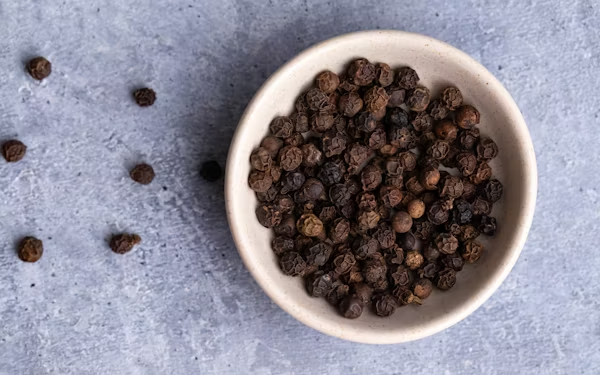
Black pepper is one of those spices that sits quietly in almost every Indian kitchen. It’s added to curries, sprinkled over food, mixed into soups, and sometimes even used as a home remedy for humans. Because it feels so basic and natural, many pet parents assume it’s harmless.
| Feature | Cat Grass Kit | Cat Water Fountain | Cat Probiotics | Healthy Cat Treats | Interactive Cat Toy |
|---|---|---|---|---|---|
| Image |

|

|
|

|

|
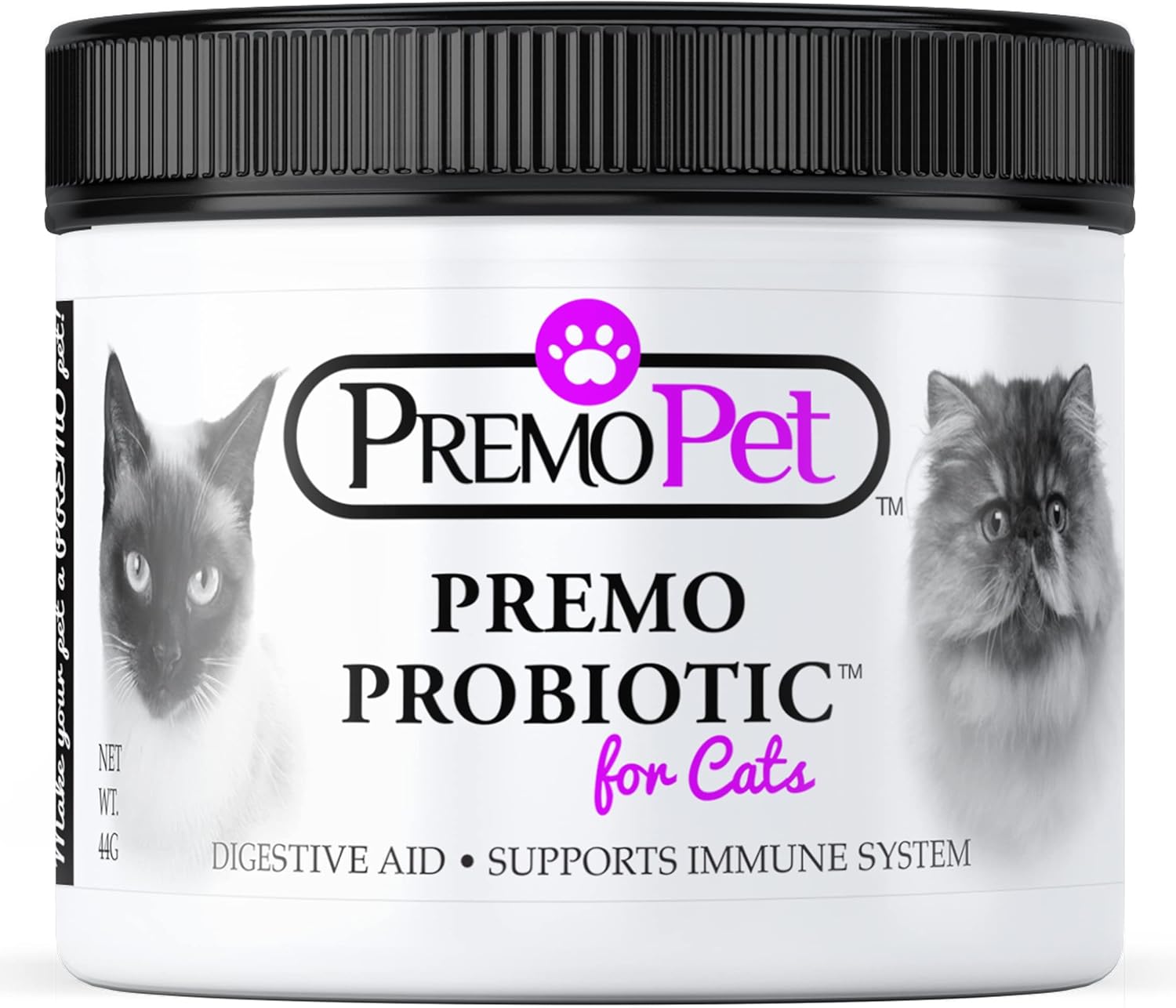
| Product Name | Cat Grass Growing Kit | Cat Water Fountain | Cat Digestive Probiotics | Healthy Cat Treats | Interactive Cat Toy |
| Best For | Indoor cats & safe grazing | Hydration & urinary health | Digestive support | Rewards & nutrition | Exercise & enrichment |
| Affiliate Potential | ⭐⭐⭐⭐☆ | ⭐⭐⭐⭐⭐ | ⭐⭐⭐⭐⭐ | ⭐⭐⭐⭐☆ | ⭐⭐⭐☆☆ |
| Why Buy? | Provides a safe alternative to outdoor grass and supports digestion. | Encourages cats to drink more water throughout the day. | Supports a healthy gut and reduces digestive discomfort. | Delicious rewards with added nutritional benefits. | Keeps indoor cats active and mentally stimulated. |
| Buy Now | Buy Now | Buy Now | Buy Now | Buy Now | Buy Now |
But if you’re a cat parent and you’ve noticed your cat sniffing around plates or licking food that has black pepper on it, a very valid question comes to mind:
Can cats eat black pepper?
Is black pepper safe for cats, or can it cause problems?
You’re right to pause and think. Even common kitchen ingredients can affect cats very differently than humans. Let’s go through this calmly and clearly.
Quick Answer: Can Cats Eat Black Pepper?
No, cats should not eat black pepper.
Black pepper is not toxic like onion or garlic, but it is unsafe and irritating for cats. It can irritate their mouth, nose, throat, stomach, and even cause breathing discomfort—especially if inhaled.
So while it may not cause poisoning, it can still make your cat uncomfortable and sick.
What Is Black Pepper?
Black pepper comes from dried peppercorns and is used worldwide as a seasoning. In Indian cooking, it’s commonly found in:
- Curries and gravies
- Soups and rasam
- Spice mixes
- Simple everyday meals
It’s usually used as:
- Whole peppercorns
- Ground black pepper
Both forms are unsuitable for cats.
Is Black Pepper Toxic to Cats?
Black pepper is not classified as toxic, but that doesn’t make it safe.
Important distinction:
- ❌ Not poisonous
- ❌ Still irritating and harmful
- ❌ No nutritional benefit for cats
Black pepper contains compounds that are too strong for a cat’s sensitive system.
Why Black Pepper Is Unsafe for Cats?
1️⃣ Strong Irritation to Mouth and Stomach
Cats are obligate carnivores. Their digestive systems are not built to handle spices. Black pepper can cause:
- Mouth irritation
- Drooling
- Burning sensation
- Upset stomach
Even small exposure can cause discomfort.
2️⃣ Inhalation Risk (Very Important)
Ground black pepper is fine and dusty. If a cat sniffs or inhales it, it can:
- Irritate nasal passages
- Cause sneezing or coughing
- Trigger breathing discomfort
This is one of the biggest risks with black pepper.
3️⃣ Can Trigger Vomiting or Diarrhea
If a cat consumes black pepper through food, it may lead to:
- Vomiting
- Loose stools
- Gas
- Loss of appetite
Some cats react more strongly than others.
4️⃣ Often Used With Other Unsafe Ingredients
Black pepper is rarely used alone. It often comes with:
- Onion
- Garlic
- Cinnamon
- Cloves
- Garam masala
This makes pepper-containing foods even more unsafe.
What Happens If a Cat Eats Black Pepper?
If your cat eats or inhales black pepper, then the following symptoms may appear quickly.
Common Symptoms Include:
- Sneezing
- Coughing
- Drooling
- Vomiting
- Diarrhea
- Pawing at the mouth or nose
- Lethargy
Most symptoms are mild to moderate but can be uncomfortable.
Can Cats Eat Food Cooked With Black Pepper?
No,I will not recommend you to give your cat any food item which is being prepared with Black peper.
Foods seasoned with black pepper are unsafe for cats, especially Indian dishes that also contain oil, salt, and other spices. Even if pepper is used “just a little,” the food is still unsuitable.
Why Do Cats Seem Interested in Pepper?
Cats are not attracted to pepper because they like it. Their interest comes from:
- Curiosity
- Strong smell
- Human eating behavior
Cats do not enjoy spicy or peppery flavors. In fact, many cats actively dislike pepper once exposed.
Can Kittens Eat Black Pepper?
Absolutely not.
Kittens have even more sensitive systems than adult cats. Black pepper can quickly cause:
- Sneezing fits
- Stomach upset
- Dehydration
- Weakness
Kittens should never be exposed to spices.
Is Ground Black Pepper Worse Than Whole Peppercorns?
Yes .
- Ground black pepper is more dangerous because it can be inhaled easily.
- Whole peppercorns are a choking hazard and can cause mouth injury if chewed.
Both should be kept away from cats.
What Should You Do If Your Cat Is Exposed to Black Pepper?
If by any chance your cat eats Black pepper contained food, don’t panic and do the followings
- Remove access immediately
Move your cat away from the pepper source. - Wipe the mouth or nose gently
If pepper is visible, use a clean, damp cloth. - Offer fresh water
Helps soothe irritation. - Monitor closely
Watch for continued coughing, vomiting, or breathing issues. - Contact a vet if symptoms persist
Especially if breathing seems affected.
Are There Any Benefits of Black Pepper for Cats?
There are no such benefits of giving black pepper to your cat so you should simply avoid giving it.
Black pepper offers no health benefits for cats. Any claimed benefits apply to humans, not pets
Safer Alternatives for Cats
Being a cat owner myself, i know it is extremely hard to let your cat away from human food. So if your cat shows interest in eating Black pepper food instead you can give the following food items to her.
- Plain boiled chicken (no spices)
- Plain cooked fish (boneless)
- Commercial cat food
- Vet-approved treats
These options are safe and nutritious.
Frequently Asked Questions (FAQs)
Here i am sharing the following commonly asked questions by cat owners who wants to know whether black pepper is good for cat or not. I have tried to answer all the questions here
Can cats eat a small amount of black pepper?
No. Even a small amount of black pepper can irritate a cat’s mouth, stomach, and airways. Cats are extremely sensitive to spices, and black pepper contains compounds that their bodies cannot handle well. While one accidental exposure may not always cause serious harm, there is no safe amount of black pepper for cats, and repeated exposure can worsen irritation.
Is black pepper worse than cinnamon for cats?
Both black pepper and cinnamon are unsafe for cats, but they affect cats in slightly different ways. Black pepper is more likely to cause sneezing, coughing, and breathing discomfort because it can be inhaled easily. Cinnamon, on the other hand, tends to irritate the mouth and stomach more. Neither spice should be given to cats in any form.
Can cats lick food that has black pepper on it?
Even licking food that contains black pepper can cause irritation. Pepper residue on food can still affect a cat’s mouth and digestive system. Repeated licking increases the chance of stomach upset, drooling, or vomiting, so pepper-seasoned food should always be kept out of reach.
Can black pepper cause long-term problems in cats?
Yes. Repeated exposure to black pepper can lead to ongoing digestive irritation and respiratory discomfort, especially in sensitive cats. While a single accidental exposure may pass without lasting effects, frequent contact with pepper can cause chronic discomfort over time.
Is black pepper oil or extract dangerous for cats?
Yes. Black pepper oil or extracts are highly concentrated and much stronger than regular pepper. These forms can be very dangerous for cats if inhaled, ingested, or absorbed through the skin. Black pepper oil should never be used around cats, including in diffusers or home remedies.
What if my cat sneezed after sniffing black pepper?
Mild sneezing after sniffing black pepper may pass quickly once the cat moves away from the source. However, if sneezing, coughing, watery eyes, or breathing difficulty continues, it’s best to consult a veterinarian. Persistent symptoms may indicate irritation that needs attention.
Can kittens be affected by black pepper more easily?
Yes. Kittens are more sensitive than adult cats, and their smaller size makes them more vulnerable to irritation from black pepper. Even a small exposure can cause sneezing, stomach upset, or weakness. Kittens should never be exposed to spices.
Is ground black pepper more dangerous than whole peppercorns?
Yes. Ground black pepper is more dangerous because it is fine and can easily be inhaled, leading to respiratory irritation. Whole peppercorns, while less likely to be inhaled, still pose a choking hazard and can injure a cat’s mouth if chewed. Both forms should be kept away from cats
Final Verdict: Is Black Pepper Safe for Cats?
Absolutely not, i will not recommend black pepper to cats.
While it may not be toxic like onion or garlic, black pepper can irritate a cat’s mouth, stomach, and respiratory system. It provides no benefit and only causes discomfort.
As a responsible pet parent, the best choice is simple:
Keep black pepper and all seasoned foods away from your cat and stick to food designed specifically for feline health.
Disclaimer
This article is intended for informational purposes only and is based on general knowledge about feline nutrition and common food ingredients. It is not a substitute for professional veterinary advice, diagnosis, or treatment.
Every cat is different, and reactions to foods may vary depending on age, health, and individual sensitivity. If your cat has eaten something unusual or is showing signs of illness, always consult a qualified veterinarian for proper guidance.
| Feature | Cat Grass Kit | Cat Water Fountain | Cat Probiotics | Healthy Cat Treats | Interactive Cat Toy |
|---|---|---|---|---|---|
| Image |
|
|
|
|
|
| Product Name | Cat Grass Growing Kit | Cat Water Fountain | Cat Digestive Probiotics | Healthy Cat Treats | Interactive Cat Toy |
| Best For | Indoor cats & safe grazing | Hydration & urinary health | Digestive support | Rewards & nutrition | Exercise & enrichment |
| Affiliate Potential | ⭐⭐⭐⭐☆ | ⭐⭐⭐⭐⭐ | ⭐⭐⭐⭐⭐ | ⭐⭐⭐⭐☆ | ⭐⭐⭐☆☆ |
| Why Buy? | Provides a safe alternative to outdoor grass and supports digestion. | Encourages cats to drink more water throughout the day. | Supports a healthy gut and reduces digestive discomfort. | Delicious rewards with added nutritional benefits. | Keeps indoor cats active and mentally stimulated. |
| Buy Now | Buy Now | Buy Now | Buy Now | Buy Now | Buy Now |