
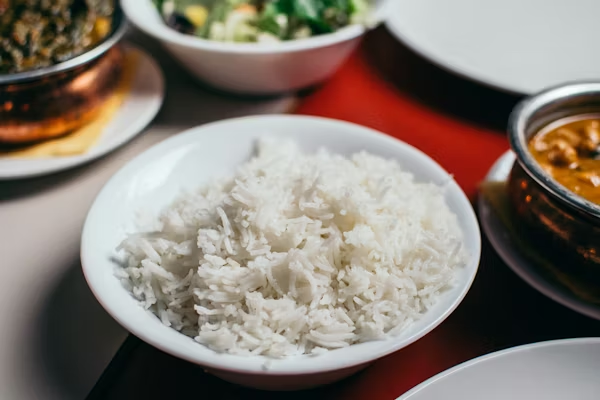
Rice is one of the most common foods in Indian households. From plain white rice to dal chawal, curd rice, and khichdi, rice is eaten almost daily in many homes. Because it feels simple, soft, and non-spicy (at least in its plain form), many pet parents like me i always wonder whether they can feed their cats rice or not.
Can I feed rice to my cat?
Is rice safe for cats, or can it cause problems?
| Feature | Cat Grass Kit | Cat Water Fountain | Cat Probiotics | Healthy Cat Treats | Interactive Cat Toy |
|---|---|---|---|---|---|
| Image |

|

|

|

|

|
| Product Name | Cat Grass Growing Kit | Cat Water Fountain | Cat Digestive Probiotics | Healthy Cat Treats | Interactive Cat Toy |
| Best For | Indoor cats & safe grazing | Hydration & urinary health | Digestive support | Rewards & nutrition | Exercise & enrichment |
| Affiliate Potential | ⭐⭐⭐⭐☆ | ⭐⭐⭐⭐⭐ | ⭐⭐⭐⭐⭐ | ⭐⭐⭐⭐☆ | ⭐⭐⭐☆☆ |
| Why Buy? | Provides a safe alternative to outdoor grass and supports digestion. | Encourages cats to drink more water throughout the day. | Supports a healthy gut and reduces digestive discomfort. | Delicious rewards with added nutritional benefits. | Keeps indoor cats active and mentally stimulated. |
| Buy Now | Buy Now | Buy Now | Buy Now | Buy Now | Buy Now |
So if you are cat parent just like me and curious to know whether you can feed rice to your cat or not, then this post would try to answer all your questions. Because you’d often see your cat sniffing your plate or lick plain rice when you are not around. Let’s break this down clearly, honestly and without any confusion.
Quick Answer: Can Cats Eat Rice?
Yes, your cats can have plain cooked rice in very small amounts but it should not be a regular part of their diet.
Rice is not toxic to cats, but it also does not provide much nutritional value for them. Cats are obligate carnivores, meaning their bodies are designed to get nutrition primarily from animal protein, not grains. So feeding rice to your cat won’t bring any health benefits to her so if possible try to avoid giving rice to your cat as it may create digestive issues.
Rice Safety for Cats: Quick Overview
Here is quick overview for you to scan whether feeding rice to your cat is right or not.
| Aspect | Is It Safe for Cats? |
|---|---|
| Plain cooked white rice | ✅ Safe in small amounts |
| Rice with salt | ❌ Unsafe |
| Rice with spices | ❌ Unsafe |
| Rice with onion/garlic | ❌ Toxic |
| Rice as daily food | ❌ Not recommended |
| Kittens eating rice | ❌ Avoid |
Why Rice Is Not Ideal for Cats?
Even though rice is not poisonous, it’s important to understand why it’s not considered good cat food.
1️⃣ Cats Are Obligate Carnivores
Cats require:
- Animal protein
- Taurine
- Essential amino acids
Rice does not provide these nutrients in the form cats need. Feeding rice too often can reduce the nutritional balance of their diet.
2️⃣ Rice Is High in Carbohydrates
As we know that Rice is high in carbohydrates and unlike human Cats do not process carbohydrates the same way humans do. Too much rice can lead to:
- Weight gain
- Digestive upset
- Reduced appetite for proper cat food
3️⃣ Rice Fills the Stomach Without Nutrition
Rice can make a cat feel full, which may cause them to eat less of their nutritionally complete cat food.
When Is Rice Sometimes Given to Cats?
You can feed rice to your cat on some occasions when she is not full. Here we have shared some common situation to feed rice to your cat
Common situations include:
- Mild stomach upset (only on vet advice)
- Bland diet for short-term digestive issues
- Mixed with plain boiled chicken in small amounts
Even in these cases, rice should be:
- Plain
- Fully cooked
- Unsalted
- Given only for a short time
Can Cats Eat Cooked Rice Daily?
No.
Feeding rice daily can lead to nutritional deficiencies over time. Cats need meat-based diets, and rice should never replace proper cat food.
Can Cats Eat Rice With Dal or Curry?
No, you should not feed rice to your cat Dal Chawal regularly or curry with rice as it is not beneficial for your cats.
Rice combined with:
is unsafe for cats. Many Indian dishes contain ingredients that are harmful or toxic to cats, even if the rice itself seems plain.
Can Cats Eat Brown Rice?
Brown rice is harder to digest than white rice. While it is not toxic, it can cause:
- Gas
- Diarrhea
- Stomach discomfort
If rice is ever given, plain white rice is a better option than brown rice.
Can Kittens Eat Rice?
No, kittens should not eat rice.
Kittens have very sensitive digestive systems and require highly specific nutrition to grow properly. Rice can quickly cause diarrhea, dehydration, and poor nutrient intake in kittens.
Why Do Cats Seem Interested in Rice?
Cats are not interested in rice for its taste. Their curiosity usually comes from:
- Warm food
- Human eating behavior
- Texture
- Smell of other foods mixed with rice
Curiosity does not mean rice is good for them.
How Much Rice Can a Cat Eat?
If rice is ever given:
- Only a very small amount
- Plain and fully cooked
- No more than a few spoonfuls
- Only occasionally, not daily
Think of rice as a temporary filler, not food.
Signs Rice Is Not Agreeing With Your Cat
If rice doesn’t suit your cat, you may notice:
- Vomiting
- Diarrhea
- Gas
- Lethargy
- Reduced appetite
If symptoms persist, stop feeding rice and consult a veterinarian.
Better Alternatives to Rice for Cats
If your cat seems interested in human food, safer options include:
- Plain boiled chicken (no salt, no spices)
- Plain cooked fish (boneless)
- Commercial cat food
- Vet-approved cat treats
These provide proper nutrition without digestive stress.
Frequently Asked Questions (FAQs)
Here we are sharing a few common questions that are being arise in the mind of cat owners so we have done our research and try to answer as many questions as possible whether you can feed rice to your cat
Can cats eat a small amount of plain rice?
Yes, a very small amount of plain cooked rice is generally safe for adult cats, but it should only be given occasionally and not as a regular food.
Is rice better than chapati for cats?
Plain rice is easier to digest than chapati, but neither should be a regular part of a cat’s diet. Both lack the nutrients cats need.
Can cats eat rice during diarrhea?
Rice is sometimes used as part of a bland diet, but this should only be done on veterinary advice. It is not a universal solution for diarrhea. Even Poha which contains rice is also not good for cats
Can cats eat curd rice?
No. Curd rice contains dairy, which many cats cannot digest properly and may cause stomach upset or diarrhea.
Can cats eat leftover rice?
Leftover rice often contains salt, oil, or spices. It should not be given to cats.
Can rice cause constipation in cats?
Yes. In some cats, rice can cause constipation, especially if given frequently or without enough water intake.
Final Verdict: Can I Feed Rice to My Cat?
Yes, but only occasionally and only plain.
Rice is not toxic to cats, but it is also not nutritionally useful for them. It should never replace proper cat food and should only be given in very small amounts, if at all.
As a responsible pet parent, the best choice is to:
- Prioritize meat-based cat food
- Avoid seasoned or mixed rice dishes
- Treat rice as an occasional, temporary option — not a habit
Disclaimer
This article is intended for informational purposes only and is based on general knowledge about feline nutrition and common food ingredients. It is not a substitute for professional veterinary advice, diagnosis, or treatment.
Every cat is different, and reactions to foods may vary depending on age, health, and individual sensitivity. If your cat has eaten something unusual or is showing signs of illness, always consult a qualified veterinarian for proper guidance.
| Feature | Cat Grass Kit | Cat Water Fountain | Cat Probiotics | Healthy Cat Treats | Interactive Cat Toy |
|---|---|---|---|---|---|
| Image |
|
|
|
|
|
| Product Name | Cat Grass Growing Kit | Cat Water Fountain | Cat Digestive Probiotics | Healthy Cat Treats | Interactive Cat Toy |
| Best For | Indoor cats & safe grazing | Hydration & urinary health | Digestive support | Rewards & nutrition | Exercise & enrichment |
| Affiliate Potential | ⭐⭐⭐⭐☆ | ⭐⭐⭐⭐⭐ | ⭐⭐⭐⭐⭐ | ⭐⭐⭐⭐☆ | ⭐⭐⭐☆☆ |
| Why Buy? | Provides a safe alternative to outdoor grass and supports digestion. | Encourages cats to drink more water throughout the day. | Supports a healthy gut and reduces digestive discomfort. | Delicious rewards with added nutritional benefits. | Keeps indoor cats active and mentally stimulated. |
| Buy Now | Buy Now | Buy Now | Buy Now | Buy Now | Buy Now |