
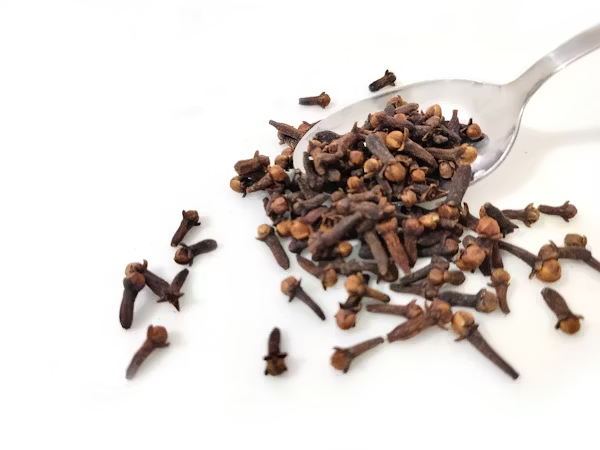
If you cook Indian food regularly, cloves (laung) are probably sitting in your spice box. They’re used in garam masala, biryani, pulao, curries, and even some home remedies. Cloves have a strong, sharp aroma, and when food is being prepared, cats often wander into the kitchen out of curiosity. We like the aroma of cloves and it has several health benefits for human beings, however is cloves are healthy for your cats as well? Cats are known to be a curious creatures and they keep running around the kitchen just like my cat who loves sniffing around the house especially kitche and try new foods every day.
| Feature | Cat Grass Kit | Cat Water Fountain | Cat Probiotics | Healthy Cat Treats | Interactive Cat Toy |
|---|---|---|---|---|---|
| Image |

|

|
|

|

|
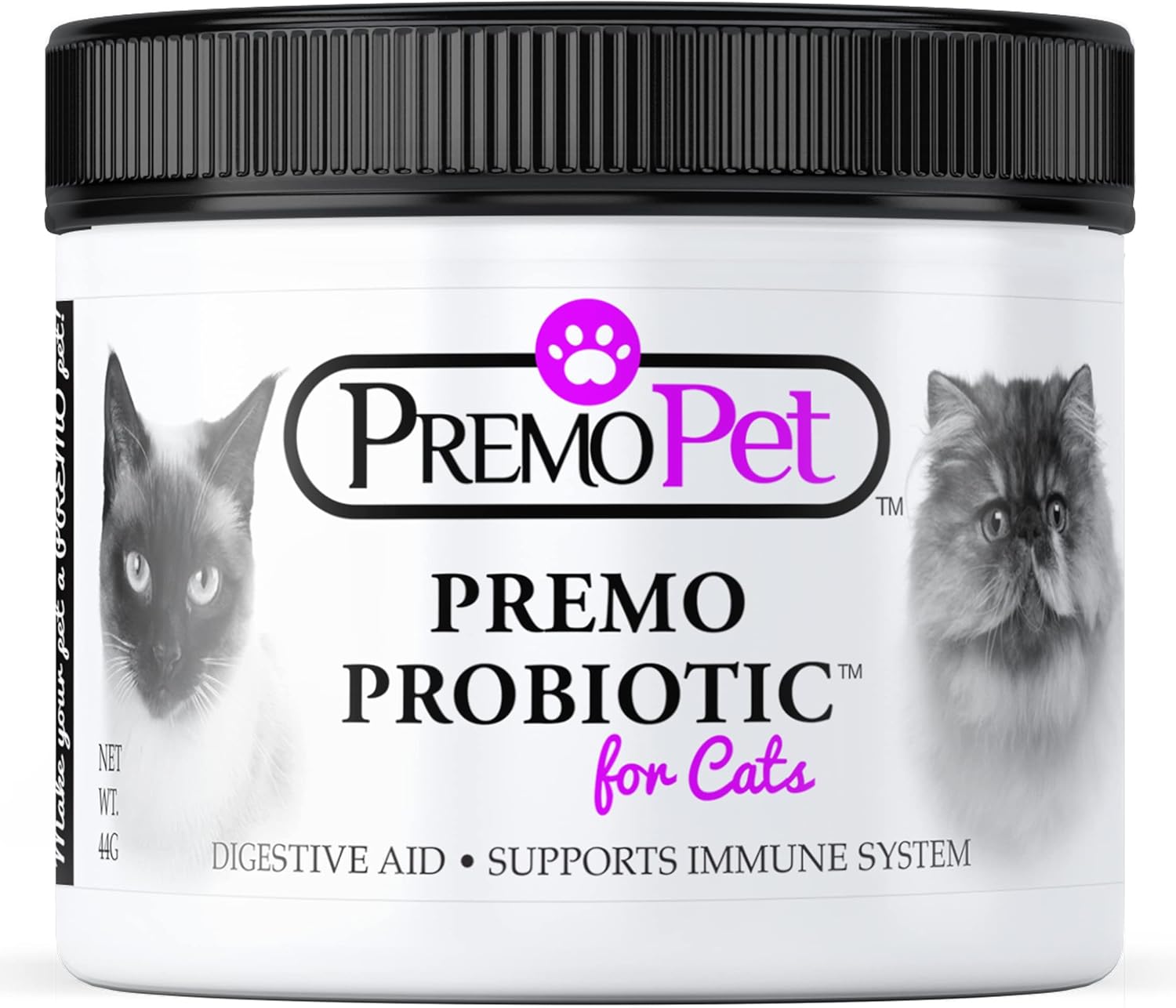
| Product Name | Cat Grass Growing Kit | Cat Water Fountain | Cat Digestive Probiotics | Healthy Cat Treats | Interactive Cat Toy |
| Best For | Indoor cats & safe grazing | Hydration & urinary health | Digestive support | Rewards & nutrition | Exercise & enrichment |
| Affiliate Potential | ⭐⭐⭐⭐☆ | ⭐⭐⭐⭐⭐ | ⭐⭐⭐⭐⭐ | ⭐⭐⭐⭐☆ | ⭐⭐⭐☆☆ |
| Why Buy? | Provides a safe alternative to outdoor grass and supports digestion. | Encourages cats to drink more water throughout the day. | Supports a healthy gut and reduces digestive discomfort. | Delicious rewards with added nutritional benefits. | Keeps indoor cats active and mentally stimulated. |
| Buy Now | Buy Now | Buy Now | Buy Now | Buy Now | Buy Now |
That’s when a genuine question comes to mind as a cat parent:
Can cats eat cloves?
Is laung safe for cats, or can it harm them?
It’s a very valid concern. Many people assume spices are harmless because they’re natural. But when it comes to cats, natural does not always mean safe. Let’s break this down clearly and calmly.
Quick Answer: Can Cats Eat Cloves?
If you are a cat parent like me and want a quick answer whether cats can have cloves, so simple answer is No. Cats should not eat cloves.
Cloves are not safe for cats. While they may not always cause immediate poisoning like onion or garlic, cloves can irritate a cat’s mouth, stomach, and digestive system. In some forms—especially oils or concentrated amounts—they can be dangerous.
Cloves Safety for Cats: Quick Overview
Here is a quick table for you to see whether cloves are safe for your cats or not. You can scan this table to find out whether you can give it your cat
| Aspect | Is It Safe for Cats? |
|---|---|
| Whole cloves (laung) | ❌ Unsafe |
| Ground cloves powder | ❌ Unsafe |
| Clove oil | ❌ Dangerous |
| Food cooked with cloves | ❌ Unsafe |
| Small amount safe? | ❌ No |
| Kittens exposed to cloves | ❌ Avoid completely |
What Are Cloves (Laung)?
Cloves are dried flower buds of a clove tree and are commonly used as a spice. In Indian households, cloves are often added to:
- Garam masala
- Biryani and pulao
- Curries and gravies
- Some desserts and teas
They are available as:
- Whole cloves
- Ground clove powder
- Clove oil (essential oil)
All forms are unsuitable for cats.
Are Cloves Toxic to Cats?
Cloves are not classified as highly toxic like onion or garlic, but they are still harmful and unsafe for cats.
Important distinction:
- ❌ Not “safe in small amounts”
- ❌ Not beneficial in any way
- ❌ Can cause irritation and discomfort
Cloves contain compounds that cats cannot process properly, which can stress their digestive system and cause irritation.
Why Cloves Are Unsafe for Cats?
Here we are sharing a few reasons why cloves are unsafe for your cats. Check out the following reasons
1️⃣ Strong Digestive Irritation
Cloves are a powerful spice. Even tiny exposure can irritate a cat’s:
- Mouth
- Throat
- Stomach
This may lead to drooling, vomiting, or refusal to eat.
2️⃣ Clove Oil Is Especially Dangerous
Clove oil is highly concentrated and much stronger than whole cloves.
Clove oil can:
- Be absorbed through the skin
- Be inhaled
- Cause serious irritation or toxicity
Clove oil should never be used around cats, including in home remedies or diffusers.
3️⃣ Often Used With Other Unsafe Spices
Cloves are rarely used alone. They often appear alongside:
- Cinnamon
- Black pepper
- Cloves are commonly used in spice blends like garam masala, which are also unsafe for cats.
- Onion and garlic
This combination increases the overall risk for cats.
4️⃣ No Nutritional Value for Cats
Cloves offer no health benefits to cats. Any potential benefits apply to humans, not animals.
What Happens If a Cat Eats Cloves?
If your cat eats food containing cloves or comes into contact with clove oil, symptoms may appear within a few hours. Here are the common symptoms of eating cloves
Common Symptoms Include:
- Vomiting
- Diarrhea
- Drooling
- Pawing at the mouth
- Loss of appetite
- Lethargy
In cases involving clove oil:
- Mouth or skin irritation
- Breathing discomfort
Can Cats Eat Food Cooked With Cloves?
No.
Foods cooked with cloves are unsafe for cats. Indian dishes that contain cloves almost always include oil, salt, and other spices that cats should not consume.
Even a “small amount” used for flavor makes the food unsuitable.
Why Do Cats Show Interest in Clove-Flavored Food?
Cats are not attracted to cloves themselves. Their curiosity comes from:
- Strong smells
- Warm food
- Human eating behavior
- Other ingredients like meat or fat
Cats do not enjoy spicy or strong flavors, and exposure usually causes discomfort rather than pleasure.
Can Kittens Eat Cloves?
Absolutely not.
Kittens have extremely sensitive digestive systems. Even minimal exposure to cloves can cause diarrhea, vomiting, and dehydration. Kittens should only eat food specifically designed for their growth.
What Should You Do If Your Cat Eats Cloves?
By any chance if your cat eats clove then don’t get anxious and follow these steps to protect your cat.
- Remove access immediately
Prevent further exposure. - Offer fresh water
This may help reduce irritation. - Monitor your cat closely
Watch for vomiting, drooling, or behavior changes. - Contact a veterinarian if symptoms appear
Especially if clove oil was involved.
And do one thing important don’t try any home remedies on your cat as it may prove bad for your cat
Are Whole Cloves Safer Than Clove Powder?
No.
- Whole cloves can be a choking hazard and irritate the mouth if chewed.
- Ground clove powder is easier to ingest and may cause faster stomach irritation.
Both forms are unsafe.
Safer Alternatives for Cats
If your cat shows interest in human food, offer safer options like:
- Plain boiled chicken (no salt, no spices)
- Plain cooked fish (boneless)
- Commercial cat food
- Vet-approved cat treats
These meet a cat’s nutritional needs without risk.
Frequently Asked Questions (FAQs)
Can cats eat a small amount of cloves?
No. Even small amounts can irritate a cat’s digestive system. There is no safe amount of cloves for cats.
Are cloves worse than cinnamon or black pepper for cats?
Cloves, cinnamon, and black pepper are all unsafe. Cloves are stronger and may cause more irritation than black pepper, especially in concentrated forms like clove oil.
Can cats lick food that contains cloves?
Even licking clove-flavored food can expose cats to irritating compounds. Repeated exposure increases the risk of stomach upset.
Is clove oil safe for cats?
No. Clove oil is highly concentrated and dangerous for cats. It should never be used around them.
Can repeated exposure to cloves cause long-term issues?
Yes. Repeated exposure can lead to ongoing digestive irritation and discomfort over time.
What if my cat accidentally smelled or tasted cloves?
Remove the source, offer water, and monitor your cat. If symptoms persist or worsen, consult a veterinarian.
Final Verdict: Are Cloves (Laung) Safe for Cats?
No, cloves are not safe for cats.
They are strong, irritating, and offer no nutritional benefit. While they may not always cause immediate poisoning, they can still upset a cat’s digestive system and cause discomfort—especially when combined with other spices.
As a responsible pet parent, the safest choice is simple:
Keep cloves, clove oil, and clove-containing foods away from your cat and stick to food made specifically for feline health.
| Feature | Cat Grass Kit | Cat Water Fountain | Cat Probiotics | Healthy Cat Treats | Interactive Cat Toy |
|---|---|---|---|---|---|
| Image |
|
|
|
|
|
| Product Name | Cat Grass Growing Kit | Cat Water Fountain | Cat Digestive Probiotics | Healthy Cat Treats | Interactive Cat Toy |
| Best For | Indoor cats & safe grazing | Hydration & urinary health | Digestive support | Rewards & nutrition | Exercise & enrichment |
| Affiliate Potential | ⭐⭐⭐⭐☆ | ⭐⭐⭐⭐⭐ | ⭐⭐⭐⭐⭐ | ⭐⭐⭐⭐☆ | ⭐⭐⭐☆☆ |
| Why Buy? | Provides a safe alternative to outdoor grass and supports digestion. | Encourages cats to drink more water throughout the day. | Supports a healthy gut and reduces digestive discomfort. | Delicious rewards with added nutritional benefits. | Keeps indoor cats active and mentally stimulated. |
| Buy Now | Buy Now | Buy Now | Buy Now | Buy Now | Buy Now |