
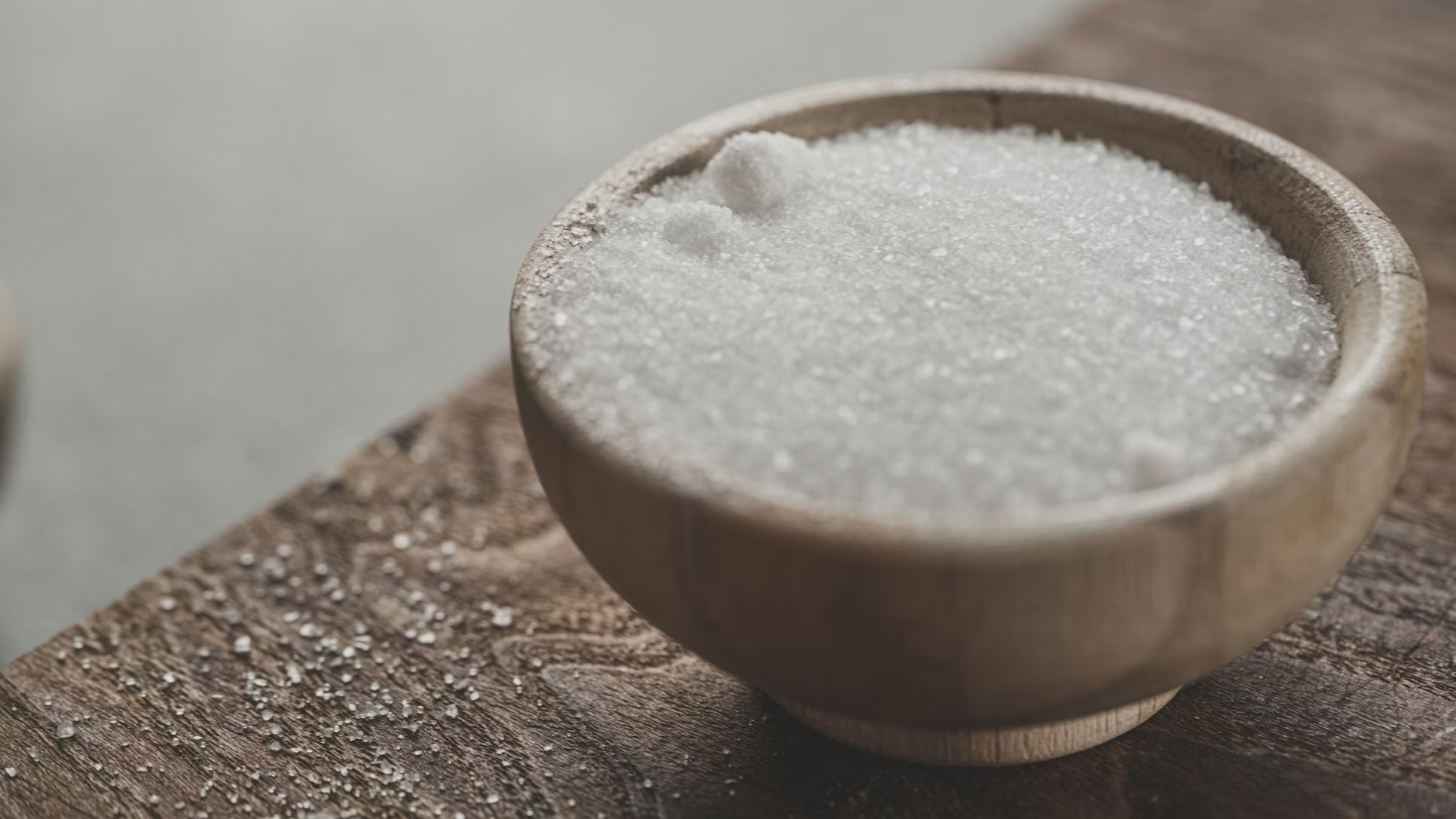
Salt, also known as namak, is present in almost every kitchen. From dal and sabzi to snacks and pickles, salt is a basic ingredient we use daily without much thought. Salt adds flavor to your food and make it tasty. Without salt your food can be bland and we human beings can’t live without salt however, salt has several benefits for human being but is it good for your cat or pets? This question i know every cat parent asks to themselves. Since i am also a cat parent and my cat stella tries to eat human food and i try my best to know whether this food is safe for my cat’s well being or not and i am sure as a cat parent you also asks yourself whether food is safe for your cat or not.
I have seen many cat parents asking in several online pet communities whether they can give salt to their cats? Or Salt based food or snacks are safe for their cats or not. So if you are cat parent and asking the below questions to yourself then i have tried to do my research and answer all your questions related to salt. After reading this post, I am sure all your doubts will be cleared
| Feature | Cat Grass Kit | Cat Water Fountain | Cat Probiotics | Healthy Cat Treats | Interactive Cat Toy |
|---|---|---|---|---|---|
| Image |

|

|
|

|

|
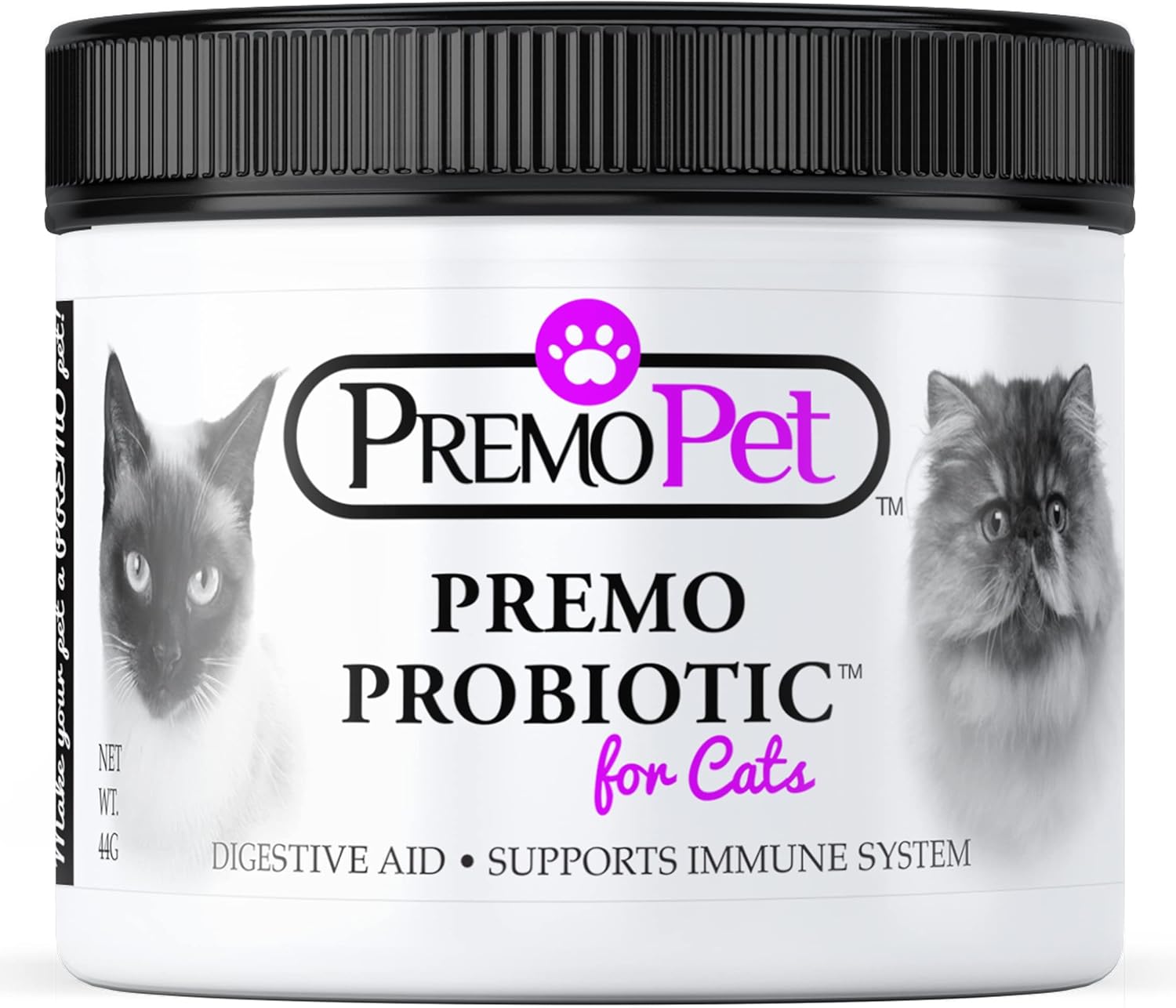
| Product Name | Cat Grass Growing Kit | Cat Water Fountain | Cat Digestive Probiotics | Healthy Cat Treats | Interactive Cat Toy |
| Best For | Indoor cats & safe grazing | Hydration & urinary health | Digestive support | Rewards & nutrition | Exercise & enrichment |
| Affiliate Potential | ⭐⭐⭐⭐☆ | ⭐⭐⭐⭐⭐ | ⭐⭐⭐⭐⭐ | ⭐⭐⭐⭐☆ | ⭐⭐⭐☆☆ |
| Why Buy? | Provides a safe alternative to outdoor grass and supports digestion. | Encourages cats to drink more water throughout the day. | Supports a healthy gut and reduces digestive discomfort. | Delicious rewards with added nutritional benefits. | Keeps indoor cats active and mentally stimulated. |
| Buy Now | Buy Now | Buy Now | Buy Now | Buy Now | Buy Now |
Can cats eat salt safely?
Is Salt good for my cat health?
Let’s clear this up properly, without myths or confusion.
Quick Answer: Can Cats Eat Salt?
Cats need only a very small amount of salt, which is already present in their regular cat food. Extra salt from human food is unsafe and should be avoided.
Cats are far more sensitive to sodium than humans. While salt is an essential nutrient, excess salt can quickly become harmful for cats.
Salt Safety for Cats – Quick Overview
| Aspect | Is It Safe for Cats? |
|---|---|
| Salt in commercial cat food | ✅ Safe (properly balanced) |
| Salty human snacks | ❌ Unsafe |
| Chips and namkeen | ❌ Dangerous |
| Pickles (achar) | ❌ Extremely high in sodium (dangerous) |
| Salted meat or fish | ❌ Too much sodium |
| Papad | ❌ High sodium content |
| Plain cooked food (no added salt) | ✅ Safe |
Do Cats Actually Need Salt?
Yes — but only in tiny amounts.
Cats need sodium and chloride for:
- Fluid balance
- Nerve function
- Muscle movement
- Normal cell activity
All of these needs are already met through complete commercial cat food. There is no benefit to adding salt from human food to a cat’s diet.
How Much Salt Is Too Much for Cats?
Cats have a very low tolerance for excess salt.
Even small amounts of salty human food can push sodium intake beyond what a cat’s body can safely handle. Foods like chips, papad, pickle, namkeen, and salted curries may seem harmless to us, but they contain far more salt than a cat needs.
Because cats are small and sensitive, there is no safe way to estimate how much salty food is acceptable. The safest rule is simple:
If food is salted for human taste, it is not suitable for cats.
Why Too Much Salt Is Dangerous for Cats?
Cats are obligate carnivores and they don’t get any health benefits from eating human food. So here we have tried to list down all reasons why salt is not safe for your cat.
1️⃣ Cats Are More Sensitive Than Humans
Cats evolved to survive on diets with naturally low sodium. Their bodies are not designed to process high salt levels, making excess salt much more stressful for them than for humans.
2️⃣ Risk of Salt Poisoning
Consuming too much salt can lead to salt poisoning, a condition where excess sodium disrupts the body’s fluid balance. This can place strain on organs and affect normal body functions.
Salt poisoning usually happens due to salty human food, not cat food.
3️⃣ Strain on the Kidneys
Cats are already prone to kidney issues as they age. Repeated exposure to excess salt may place additional strain on the kidneys, especially in cats with existing kidney sensitivity.
4️⃣ Increased Thirst and Urination
High salt intake can cause excessive thirst and urination. If a cat does not drink enough water, this may lead to dehydration and stress on the urinary system.
5️⃣ Common in Everyday Food
Many everyday foods contain hidden salt, including:
- Snacks
- Pickles
- Leftover curries
- Fried items
This makes accidental exposure more likely if cats have access to human food. Therefore, it becomes our duty to keep the food away from the reach of the cat as they are immensely curious creature and they try to lick or sniff the human food.
What Happens If a Cat Eats Too Much Salt?
Reactions can vary depending on the amount consumed, the cat’s size, and overall health. Some cats may show symptoms within a few hours, while others may take longer.
Common signs may include:
- Excessive thirst
- Frequent urination
- Vomiting
- Diarrhea
- Lethargy
- Loss of appetite
- Weakness
Severe symptoms are uncommon but require immediate veterinary attention.
What Should You Do If Your Cat Eats Salty Food?
If your cat ate a small amount (a lick or two):
- Offer fresh water immediately
- Monitor for unusual behavior
- Watch for increased thirst or vomiting
If your cat ate a significant amount (chips, papad, pickle):
- Remove the food source
- Provide plenty of fresh water
- Contact your veterinarian immediately
- Do not induce vomiting unless instructed by a vet
- Note what was eaten and approximately how much
Early veterinary intervention can prevent serious complications.
Can Kittens Eat Salt?
No.
Kittens are even more sensitive than adult cats. Their smaller body size means even small amounts of excess salt can cause problems. Kittens should only consume salt through their specially formulated kitten food.
Why Do Cats Seem Interested in Salty Food?
Cats may show interest in salty snacks due to:
- Fat or oil content
- Strong smells
- Crunchy textures
- Curiosity about human food
This interest does not mean salt is good or necessary for them.
Common Indian Foods High in Salt (Keep Away from Cats)
As a cat parent, be especially careful with these foods:
Snacks:
- Namkeen (all varieties)
- Chips and wafers
- Papad (raw or fried)
- Mathri and other savory biscuits
- Bhujia and sev
Condiments:
- Pickles (achar) of any kind
- Chutneys with added salt
- Papad chutney
- Ready-made spice mixes
Cooked Foods:
- Heavily salted dal
- Curry with standard salt levels
- Salted lassi
- Leftover sabzi
- Fried foods (salt on outside)
Even a small lick of pickle juice or a bite of papad can deliver too much sodium for a cat’s system.
How to Prevent Your Cat from Eating Salty Foods
We know its hard to keep food away from the cat as they are curious to try human food. So here we are sharing a few tips to keep food or snacks away from your cat.
- Store snacks securely – Keep namkeen, chips, and papad in sealed containers or cupboards
- Clean up immediately – Don’t leave plates with curry or dal residue accessible
- Cover food while cooking – Curious cats may jump on counters
- Dispose of pickle juice properly – Don’t leave it in open containers
- Educate family members – Make sure everyone knows not to feed the cat from their plate
- Designate cat-free zones – Keep cats out of the kitchen during meal prep
Are Any Salty Human Foods Safe for Cats?
No.
There is no salty human food that is safe for cats. The safest approach is to keep all seasoned and salted foods away from your cat.
Safer Alternatives for Cats
If your cat shows interest in your food, offer:
- Plain boiled chicken (no salt, no spices)
- Plain cooked fish (boneless, unseasoned)
- Commercial cat treats
- High-quality cat food
These options are safe and appropriate.
Frequently Asked Questions (FAQs)
Here we are sharing some of the most commonly asked questions in several online pet communities whether salt is good for your cat, we have tried to curate all important questions and answer here.
Can cats eat food with a little salt?
It’s best to avoid it. Even small amounts can be too much for a cat’s sensitive system.
Is the salt in cat food different from table salt? No, but the amount matters. Cat food contains carefully measured sodium levels appropriate for feline health. Table salt is pure sodium chloride and easy to over-consume.
What if my cat licked pickle juice? Monitor your cat closely and provide fresh water. Pickle juice is extremely high in sodium. Contact your vet if you notice vomiting, excessive thirst, or unusual behavior.
Can cats eat food with a little bit of salt? It’s best to avoid it. What seems like “a little” salt to humans can still be too much for a cat’s smaller body and sensitive system.
Is pink Himalayan salt safer for cats than regular salt? No. All types of salt (table salt, sea salt, Himalayan salt, black salt/kala namak) contain sodium and pose the same risks to cats.
My cat ate chips. What should I do? Offer fresh water immediately and watch for symptoms like vomiting, excessive thirst, or lethargy. If your cat ate more than a few chips or shows any symptoms, contact your vet.
Final Verdict: Can Cats Eat Salt?
Cats only need the small amount of salt that is already present in their cat food. Any additional salt from human food is unnecessary and unsafe for cats. Reputable animal welfare organizations, such as the ASPCA, also warn against giving pets salty human food.
While salt is commonly used in our everyday meals, cats are obligate carnivores and do not benefit from seasoned or salted food. Their nutritional needs are best met through a balanced cat diet that already contains the right amount of essential minerals.
As cat parents, it’s always safer to keep our cats away from salty snacks and human food. I know how hard it can be to say no when your cat sits in front of you with those pleading eyes, but resisting those moments is important for her long-term health and well-being.
When in doubt, remember:
If it’s seasoned for humans, it’s not meant for cats.
Disclaimer:
This article is for informational purposes only and does not replace professional veterinary advice. If your cat shows signs of illness or has eaten something unusual, always consult a qualified veterinarian.
| Feature | Cat Grass Kit | Cat Water Fountain | Cat Probiotics | Healthy Cat Treats | Interactive Cat Toy |
|---|---|---|---|---|---|
| Image |
|
|
|
|
|
| Product Name | Cat Grass Growing Kit | Cat Water Fountain | Cat Digestive Probiotics | Healthy Cat Treats | Interactive Cat Toy |
| Best For | Indoor cats & safe grazing | Hydration & urinary health | Digestive support | Rewards & nutrition | Exercise & enrichment |
| Affiliate Potential | ⭐⭐⭐⭐☆ | ⭐⭐⭐⭐⭐ | ⭐⭐⭐⭐⭐ | ⭐⭐⭐⭐☆ | ⭐⭐⭐☆☆ |
| Why Buy? | Provides a safe alternative to outdoor grass and supports digestion. | Encourages cats to drink more water throughout the day. | Supports a healthy gut and reduces digestive discomfort. | Delicious rewards with added nutritional benefits. | Keeps indoor cats active and mentally stimulated. |
| Buy Now | Buy Now | Buy Now | Buy Now | Buy Now | Buy Now |