
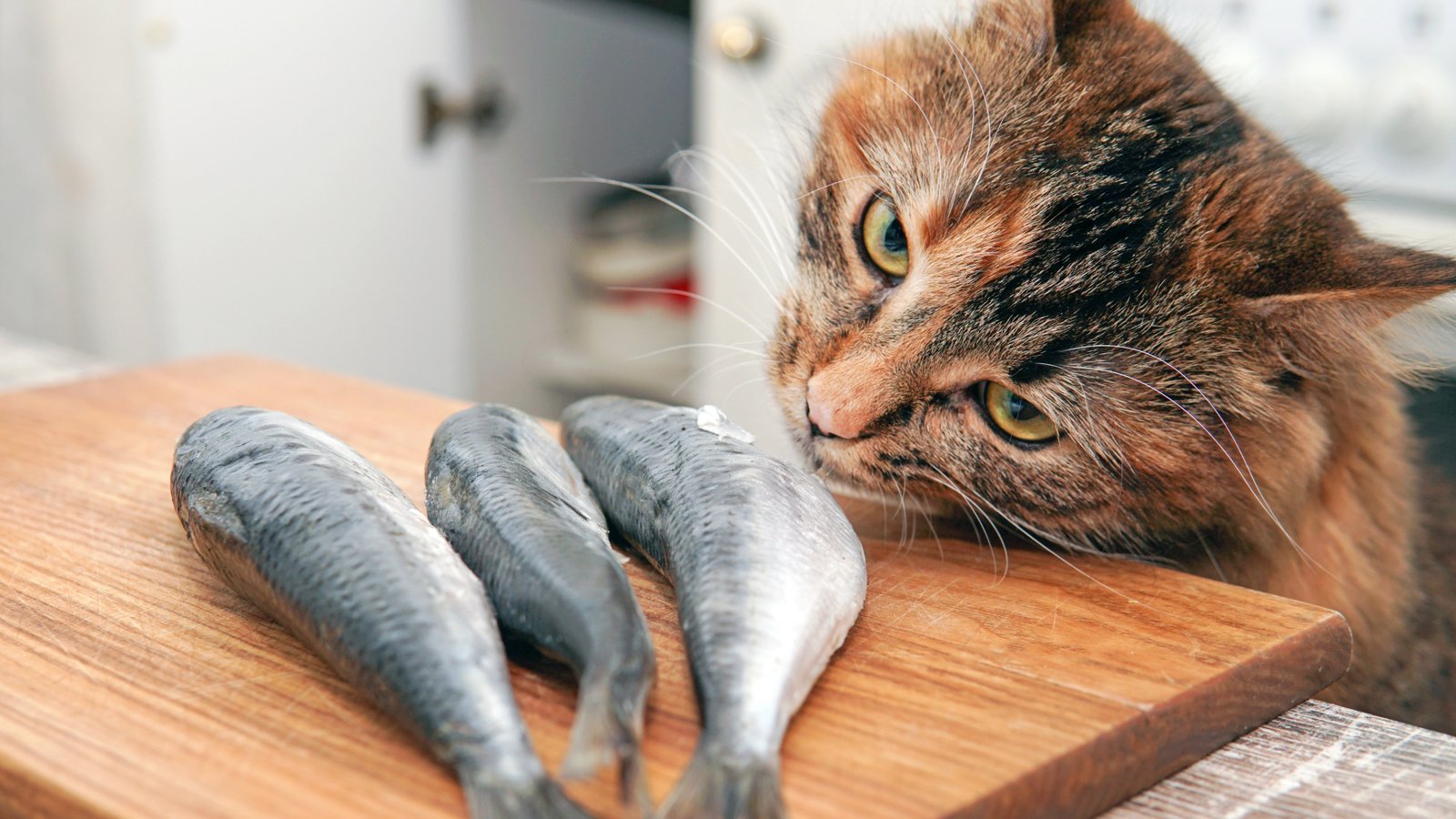
Fish and cats feel like a natural combination. From cartoons to pet food ads, we grow up seeing cats happily eating fish. In many households, especially in India, fish is cooked regularly, and it’s common for cats to sit nearby, sniffing the aroma or meowing for a bite.
As a cat parent, it’s normal to think:
“It’s just fish… surely a little won’t hurt?”
| Feature | Cat Grass Kit | Cat Water Fountain | Cat Probiotics | Healthy Cat Treats | Interactive Cat Toy |
|---|---|---|---|---|---|
| Image |

|

|

|

|

|
| Product Name | Cat Grass Growing Kit | Cat Water Fountain | Cat Digestive Probiotics | Healthy Cat Treats | Interactive Cat Toy |
| Best For | Indoor cats & safe grazing | Hydration & urinary health | Digestive support | Rewards & nutrition | Exercise & enrichment |
| Affiliate Potential | ⭐⭐⭐⭐☆ | ⭐⭐⭐⭐⭐ | ⭐⭐⭐⭐⭐ | ⭐⭐⭐⭐☆ | ⭐⭐⭐☆☆ |
| Why Buy? | Provides a safe alternative to outdoor grass and supports digestion. | Encourages cats to drink more water throughout the day. | Supports a healthy gut and reduces digestive discomfort. | Delicious rewards with added nutritional benefits. | Keeps indoor cats active and mentally stimulated. |
| Buy Now | Buy Now | Buy Now | Buy Now | Buy Now | Buy Now |
I had the same thought. When your cat shows interest and fish is known to be high in protein, it feels like a healthy choice. But the truth is more complicated.
Fish is not automatically safe for cats, and how it’s prepared, how often it’s fed, and which fish you choose makes a big difference.
So let’s answer this properly and without confusion:
Can cats eat fish, or should it be avoided?
Quick Answer: Can Cats Eat Fish?
Yes, cats can eat fish occasionally, but fish should not be a regular part of a cat’s diet.
Some fish can be safe when:
- Fully cooked
- Boneless
- Unseasoned
- Given in small amounts
However, feeding fish too often or in the wrong form can cause nutritional problems, digestive issues, and even long-term health risks.
Fish Safety for Cats – Quick Overview
| Type of Fish | Safe for Cats? |
|---|---|
| Raw fish | ❌ Unsafe |
| Cooked, plain fish | ⚠️ Occasionally safe |
| Fish with bones | ❌ Dangerous |
| Fried or spiced fish | ❌ Unsafe |
| Fish curry or masala | ❌ Very unsafe |
| Tuna (frequent feeding) | ❌ Risky |
| Small oily fish (occasional) | ⚠️ Limited |
| Commercial cat food with fish | ✅ Safe |
Do Cats Naturally Eat Fish?
Before deciding if fish is good or bad, it helps to understand what cats are designed to eat.
Cats are obligate carnivores, meaning they must eat animal-based protein to survive. But in nature, cats are land hunters, not fish hunters.
Their natural prey includes:
- Small mammals
- Birds
- Reptiles
Fish was not a regular part of their ancestral diet.
So while cats love fish today, it’s more about smell and taste, not biological necessity.
Why Do Cats Love Fish So Much?
Many cat parents notice the same behavior: the moment fish is cooking, their cat appears from nowhere. Even cats that usually ignore human food suddenly become curious, vocal, or clingy. This strong reaction makes it easy to believe that fish must be a natural and necessary food for cats.
But the truth is more psychological and sensory than nutritional.
Fish has several characteristics that strongly appeal to a cat’s instincts and senses.
Strong Aroma That Triggers Interest
Cats rely far more on smell than taste when deciding whether food is appealing. Fish has a very strong, distinct odor that spreads quickly through the air, especially when cooked. To a cat’s sensitive nose, fish smells intense and exciting compared to many other foods.
This powerful smell alone can make cats curious and eager, even if the food itself isn’t ideal for them.
High Protein Signals “Food” to a Cat
Cats are obligate carnivores, meaning their bodies are designed to seek out animal protein. Fish is rich in protein, and cats instinctively recognize protein-rich smells as something worth investigating. This does not mean fish is better than other proteins — it simply means it sends a strong “this is food” signal.
Fat Content Makes Fish Extra Appealing
Fat enhances flavor and aroma. Many fish, especially oily varieties, release fat when cooked, creating an even stronger smell. Cats are naturally drawn to fatty aromas because fat provides concentrated energy in the wild.
However, this same fat content is also why fish can cause digestive upset if eaten too often.
Soft, Easy-to-Eat Texture
When cooked, fish becomes soft and flaky. This texture is easy for cats to chew and swallow, which can make it more appealing than tougher meats. For older cats or cats with dental issues, soft textures can be especially tempting.
Learned Behavior From Human Habits
Cats are observant animals. If a cat repeatedly sees humans reacting positively to fish — cooking it, eating it, offering small bites — the cat learns to associate fish with something valuable. Over time, this can reinforce their interest, even if fish isn’t nutritionally necessary.
Attraction Does Not Mean Nutritional Need
This is the most important point. Just because a cat loves fish does not mean it should be a regular part of their diet. Cats are also attracted to foods like dairy, fried items, and gravies — all of which can be harmful.
Fish appeals to a cat’s senses, not necessarily to their nutritional requirements.
Key Takeaway
Cats love fish because it smells strong, contains protein and fat, and has a soft texture — not because their bodies need it. Attraction should never be confused with safety or dietary importance.
Is Fish Good for Cats?
Fish does offer some nutritional benefits, which is why it’s commonly used in cat food.
Fish contains:
- High-quality protein
- Omega-3 fatty acids (good for skin and coat)
- Certain vitamins and minerals
However, these benefits only apply when fish is fed correctly and sparingly. Fish is not a complete food for cats on its own.
Why Fish Can Be Harmful for Cats?
This is where many cat parents get surprised. Fish becomes a problem not because it’s toxic by nature, but because of how it affects a cat’s nutrition and health over time.
Let’s break this down clearly.
1️⃣ Raw Fish Is Unsafe for Cats
Raw fish contains an enzyme called thiaminase, which destroys vitamin B1 (thiamine).
Thiamine deficiency in cats can cause:
- Loss of appetite
- Weakness
- Poor coordination
- Seizures
- Neurological damage
Raw fish can also carry:
- Parasites
- Harmful bacteria
Because of this, raw fish should never be fed to cats, even occasionally.
2️⃣ Fish Bones Are Dangerous
Fish bones are small, sharp, and easy to miss.
Cooked fish bones can:
- Splinter
- Cause choking
- Injure the mouth or throat
- Damage the intestines
Even one small bone can lead to an emergency situation.
3️⃣ Too Much Fish Can Cause Nutritional Imbalance
This is a long-term issue many cat parents don’t realize.
Feeding fish frequently can:
- Interfere with vitamin absorption
- Increase mercury exposure
- Lead to mineral imbalance
- Affect kidney health
Fish should never replace balanced cat food.
4️⃣ Mercury Risk in Certain Fish
Large fish like tuna accumulate mercury over time.
Mercury exposure can affect:
- Nervous system
- Kidneys
- Brain function
This is why tuna should only be an occasional treat, not a habit.
Can Cats Eat Cooked Fish?
Yes, cooked fish is safer than raw fish, but only if prepared correctly.
Safe Preparation Rules
- Fully cooked (boiled or steamed)
- No salt
- No spices
- No onion or garlic
- No oil
- Completely boneless
If fish is cooked for humans, it is usually not suitable for cats.
Can Cats Eat Fried Fish or Fish Curry?
No.
Fried fish and fish curry contain:
- Oil
- Salt
- Spices
- Onion and garlic
These can cause:
- Vomiting
- Diarrhea
- Stomach irritation
- Long-term digestive problems
How Often Can Cats Eat Fish?
This is one of the most important questions.
Fish should be given:
- Once or twice a week at most
- In very small portions
Fish should be treated as a treat, not a meal.
Can Kittens Eat Fish?
Kittens are more sensitive than adult cats.
They have:
- Delicate digestion
- Higher nutritional needs
- Lower tolerance for imbalance
Fish is not recommended for kittens, especially under 3 months. Even later, it should only be given with caution and veterinary advice
Why Do Some Cats Vomit After Eating Fish?
Common reasons include:
- Fish allergy
- High fat content
- Bones
- Spoiled fish
- Sensitive stomach
If your cat vomits after eating fish, stop feeding it and observe carefully.
Is Fish Necessary in a Cat’s Diet?
No.
Cats do not need fish to be healthy.
Many cats live long, healthy lives on:
- Chicken-based diets
- Meat-based cat food
- Fish-free formulas
Fish is optional, not essential.
Best Fish for Cats (Occasional Only)
When cooked properly:
- Salmon
- Sardines
- Mackerel
- Cod
These should still be given rarely.
Fish Cats Should Avoid or Limit
- Raw fish
- Tuna (frequent feeding)
- Large predatory fish
- Fish with bones
- Spiced or seasoned fish
Frequently Asked Questions (FAQs)
Can cats eat fish every day?
No, cats should not eat fish every day. Feeding fish daily can lead to nutritional imbalance because fish does not provide all the nutrients cats need in the correct proportions. Over time, frequent fish consumption may contribute to vitamin deficiencies, excess minerals, and increased exposure to mercury, especially from certain fish like tuna.
Is fish better than chicken for cats?
No, fish is not better than chicken for cats. Chicken is generally safer, easier to digest, and closer to a cat’s natural protein source. Plain, cooked chicken is lower in fat, contains fewer heavy metals, and is less likely to cause allergies compared to fish.
Can cats eat fish skin?
Fish skin is not recommended for cats. It is high in fat and can be difficult to digest, especially for cats with sensitive stomachs. Eating fish skin may lead to vomiting, diarrhea, or greasy stools. If feeding fish at all, it’s best to remove the skin completely.
Can cats eat dried fish?
No, dried fish should be avoided. Most dried fish products contain high levels of salt, preservatives, or seasoning. Excess salt can strain a cat’s kidneys, cause dehydration, and lead to digestive upset. Dried fish snacks made for humans are not safe for cats.
Can cats eat fish gravy only?
No, cats should not eat fish gravy. Even without solid fish pieces, gravy usually contains salt, oil, spices, onion, or garlic residue. These ingredients can irritate a cat’s stomach and may be toxic over time. Only plain, unseasoned broth is sometimes acceptable.
Is canned fish safe for cats?
Canned fish is only safe in very limited situations. Plain canned fish packed in water with no salt, seasoning, or oil can be given occasionally in small amounts. Fish packed in oil, brine, or flavored sauces should be avoided completely.
Why do cats love fish so much?
Cats are attracted to fish because of its strong smell, high protein content, and fat aroma. Cats rely heavily on scent when choosing food. Their interest in fish is driven by sensory appeal, not nutritional necessity. Liking fish does not mean cats need it.
Can fish cause kidney problems in cats?
Excessive fish consumption, especially fish high in mercury or minerals, may contribute to kidney stress over time. While fish alone does not directly cause kidney disease, frequent feeding can worsen existing kidney issues or increase long-term risk in susceptible cats.
Can cats be allergic to fish?
Yes, fish is one of the more common food allergens for cats. Signs of a fish allergy may include vomiting, diarrhea, itchy skin, ear infections, or excessive scratching. If symptoms appear after eating fish, it should be removed from the diet.
Can cats eat fish bones if they are soft?
No, cats should never eat fish bones, even if they seem soft. Fish bones can splinter easily and cause choking, mouth injuries, or damage to the digestive tract. Always remove all bones before offering any fish.
Can senior cats eat fish?
Senior cats can eat fish occasionally, but extra caution is needed. Older cats are more prone to kidney issues and digestive sensitivity. Fish should only be given in small amounts, fully cooked, boneless, and infrequently.
Can cats eat fish-based cat food every day?
Yes, fish-based commercial cat food is formulated to be nutritionally complete and balanced. This is different from feeding fresh fish. However, rotating proteins is still recommended to reduce the risk of allergies.
Can cats drink fish cooking water?
Only if it is plain water with no salt, spices, onion, or garlic, and the fish was cooked separately for the cat. Any cooking water used for human meals should be avoided.
Is freshwater fish safer than sea fish for cats?
Freshwater fish may have lower mercury levels compared to some sea fish, but they still carry risks like bones and parasites if not cooked properly. Safety depends more on preparation than the type of water the fish comes from.
Should fish be removed completely from a cat’s diet?
Fish does not need to be included in a cat’s diet at all. Many cats thrive on fish-free diets. If you prefer to avoid fish completely, there is no nutritional disadvantage as long as the cat eats balanced cat food.
Key Insight: Fish Is a Treat, Not a Staple
Fish may look natural for cats, but it’s not a daily food. Cats thrive on balanced, species-appropriate diets, not human leftovers.
Final Verdict: Can Cats Eat Fish?
Yes, cats can eat fish occasionally and carefully, but fish should never be a regular part of their diet.
If you choose to give fish:
- Cook it fully
- Remove all bones
- Avoid seasoning
- Keep portions small
When in doubt, stick to balanced cat food and simple proteins like plain chicken
| Feature | Cat Grass Kit | Cat Water Fountain | Cat Probiotics | Healthy Cat Treats | Interactive Cat Toy |
|---|---|---|---|---|---|
| Image |
|
|
|
|
|
| Product Name | Cat Grass Growing Kit | Cat Water Fountain | Cat Digestive Probiotics | Healthy Cat Treats | Interactive Cat Toy |
| Best For | Indoor cats & safe grazing | Hydration & urinary health | Digestive support | Rewards & nutrition | Exercise & enrichment |
| Affiliate Potential | ⭐⭐⭐⭐☆ | ⭐⭐⭐⭐⭐ | ⭐⭐⭐⭐⭐ | ⭐⭐⭐⭐☆ | ⭐⭐⭐☆☆ |
| Why Buy? | Provides a safe alternative to outdoor grass and supports digestion. | Encourages cats to drink more water throughout the day. | Supports a healthy gut and reduces digestive discomfort. | Delicious rewards with added nutritional benefits. | Keeps indoor cats active and mentally stimulated. |
| Buy Now | Buy Now | Buy Now | Buy Now | Buy Now | Buy Now |