British Shorthair Cats Breed Guide
Why British Shorthair Cats Win Hearts Worldwide?
There are many beautiful cat breeds in the world, but very few have the charm, poise, and gentle dignity of the British Shorthair. Often described as the “teddy bear of the cat world,” this breed combines a round, plush appearance with a calm and affectionate personality that makes them beloved by families across the globe.
If you’ve ever met a British Shorthair — especially the classic British Blue — you’d instantly understand their appeal. They have an aura of confidence without arrogance, affection without clinginess, and cuteness without chaos. Their thick, velvety coat makes them look like they’ve stepped out of a storybook. Their round, deep-set eyes give them a warm, thoughtful expression, almost as if they’re quietly observing everything around them.
British Shorthairs are also one of the easiest cat breeds to live with. They are calm, polite, and incredibly well-mannered. They won’t jump around the house or knock things off shelves. They don’t scream for attention or act hyper. And unlike many active breeds, British Shorthairs respect personal space — while still enjoying companionship and bonding deeply with their families.
This makes them ideal for:
- Busy professionals
- First-time cat owners
- Families with children
- Elderly individuals
- Apartment living
- Homes with other pets
But beyond their gentle nature and lovable looks, the British Shorthair has a long, fascinating history that stretches back nearly 2,000 years. Knowing where this breed comes from helps you appreciate how unique and resilient it is.
Let’s explore their roots.
History & Origin of the British Shorthair
History and Origin
The British Shorthair is one of the oldest natural cat breeds in the world, with a history far older than many modern breeds. Their lineage can be traced back to 43 AD, when the Roman Empire invaded Britain.
Very few cat breeds have such ancient, well-documented origins.
Roman Soldiers, Imported Cats & the Beginning of the Breed
When Roman armies traveled, they carried cats with them to protect food supplies from rodents. These Roman cats were:
- Muscular
- Strong-jawed
- Excellent hunters
- Adapted to survival
These characteristics still define the British Shorthair today.
When Romans left Britain, their cats remained — and this marks the birth of what we now call the British Shorthair.
Centuries of Natural Evolution in the British Isles
The climate of Britain is cold, wet, and often harsh. Over generations, the Roman cats adapted to these conditions:
- Their coats grew thicker, denser, and warmer
- Their bodies became stronger and stockier
- Their faces grew rounder and broader
- Their temperament became calmer and more stable
Unlike many breeds that were created through selective breeding, the British Shorthair is a naturally evolved cat — refined over centuries by environment, survival, and the calm lifestyle of rural Britain.
This “natural selection” is what gave the British Shorthair:
- Its signature plush fur
- A sturdy, well-built body
- High immunity and strong bones
- A gentle but confident personality
Victorian Era: From Working Cats to Household Favorites
By the 1800s, British Shorthairs became widely loved as household pets. They were admired for being both excellent hunters and affectionate companions. Their popularity grew significantly during the Victorian era, when cats became a fashionable part of middle-class homes.
One of the first major cat enthusiasts, Harrison Weir — known as the “Father of the Cat Fancy” — adored the British Shorthair. He personally bred and refined the type, helping the breed gain formal recognition.
The First Cat Show in History
In 1871, the world’s first cat show took place at the Crystal Palace in London. And guess which cat was the star of the event?
The British Shorthair
They quickly became the pride of British households, admired for their:
- Strength
- Beauty
- Temperament
- Resilience
The British Blue, in particular, became iconic.
World Wars & Near Extinction
During World War I and II, the breed suffered severely. Food shortages and harsh conditions reduced their population drastically. Breeders attempted to save the breed by crossing them with:
- Persian cats
- Russian Blues
- Domestic shorthairs
These crossings helped restore:
- Coat density
- Facial roundness
- Healthy gene pools
This period of rebuilding is responsible for the modern British Shorthair’s plush coat and even temperament.
Modern-Day Popularity
Today, the British Shorthair is one of the most popular cat breeds worldwide, particularly in:
- United Kingdom
- Europe
- USA
- Canada
- Australia
- UAE
- India
Their timeless teddy-bear look and low-maintenance personality make them universally appealing.
British Shorthair Characteristics
To truly understand this breed, you need to explore their physical features, personality traits, intelligence, and communication style.
Let’s go deep.
A. Physical Features
British Shorthairs have one of the most recognizable appearances in the cat world — compact, round, plush, and full of character.
1. Round Face & Cheeks (“Chipmunk Cheeks”)
The British Shorthair has one of the roundest faces among all cat breeds.
They feature:
- Full, chubby cheeks
- A short, broad nose
- Round, wide-set eyes
- A round forehead
- A thick, powerful neck
The male British Shorthair is especially known for developing pronounced cheek pads (“jowls”) around 2–3 years of age, giving them that classic teddy-bear look.
2. The Signature Plush Coat
Their coat is the most defining physical trait. Unlike typical short-haired breeds, the British Shorthair has:
- A double coat
- Crisp, dense texture
- Thick undercoat
- Soft, velvety feel
This coat evolved naturally as insulation against Britain’s cold weather.
When you touch a British Shorthair, you feel a plush, cushion-like softness — a characteristic unique to this breed.
3. Eye Shape & Colors
British Shorthairs have stunning round eyes that contribute to their sweet, gentle expression.
Common eye colors include:
- Deep copper
- Gold
- Orange
- Blue (for colorpoints or white cats)
- Green
- Blue-green
- Hazel
Their eyes are expressive but not overly wide, giving them a calm and thoughtful look.
4. Body Structure: Strong, Solid & Muscular
British Shorthairs are strong, stocky cats with a powerful build.
They have:
- Broad chest
- Thick legs
- Strong shoulders
- Round paws
- Compact body
Despite their plush, cuddly appearance, they are heavily muscled and weigh more than they appear.
Average Weight
Males: 5–8 kg
Females: 4–6 kg
They are naturally powerful — not fat. Their genetics include centuries of survival, hunting, and adaptability.
5. Growth Rate: Slow & Steady
British Shorthairs are slow to mature.
- Height growth ends by 1 year
- Body mass develops until 2–3 years
- Full cheek and head development at 3–5 years
This slow development gives them a long kitten-like appearance during their first year.
B. Personality Traits
British Shorthairs are often referred to as “gentle giants” because of their calm, composed, and affectionate personality. Living with them feels peaceful and grounding.
1. Calm, Stable & Good-Tempered
British Shorthairs are famously calm. They don’t run around the house or jump excessively. They enjoy predictable routines and love observing their environment quietly.
Think of them as the wise old friend who enjoys being around you but doesn’t demand constant attention.
2. Affectionate — But Not Clingy
They bond deeply with their families but maintain healthy independence.
Instead of sitting on your lap 24/7, they prefer:
- Sitting beside you
- Sleeping near you
- Following you from room to room
- Resting at your feet
- Curling next to you at night
Their affection feels gentle and comforting.
3. Perfect for Families & Kids
Because of their patient nature, British Shorthairs are wonderful with children. They tolerate gentle play and handle noise or activity better than many sensitive breeds.
They rarely scratch or behave aggressively unless provoked.
4. Great for Singles, Professionals & Seniors
British Shorthairs adapt easily to different lifestyles. They don’t suffer from separation anxiety the same way some breeds do.
They can stay alone for a few hours without stress — making them ideal for owners who work outside.
5. Quiet & Polite
British Shorthairs rarely meow loudly. Their voices are soft and subtle, almost whisper-like. They use their eyes, gestures, and body language more than their voice.
They communicate through presence rather than drama.
C. Intelligence & Trainability
British Shorthairs are intelligent — but not mischievous.
They learn:
- Routines
- Feeding times
- Simple commands
- House rules
- Furniture boundaries
They are calm thinkers. They don’t get into trouble or break things. They observe first and act later, making them one of the most sensible breeds.
Puzzle toys stimulate them, but they don’t obsessively solve problems like hyperactive breeds.
D. Communication & Social Behavior
British Shorthairs are social, but in a balanced and respectful way.
They communicate through:
- Slow blinks
- Soft purring
- Gentle head bumps
- Sitting beside you silently
- Following you around
- Eye contact
Their meows are gentle and rarely loud. They often “chat softly” when they want food, attention, or when greeting you.
Types of British Shorthair Cats
Most people think British Shorthairs only come in blue.
But the truth is — this breed has one of the widest color and pattern varieties in the entire cat world, second only to the Persian.
The British Shorthair isn’t divided into different “breeds” but into types based on color, pattern, coat variation, and rare genetic combinations.
Here is the complete, global-standard breakdown of all British Shorthair types.
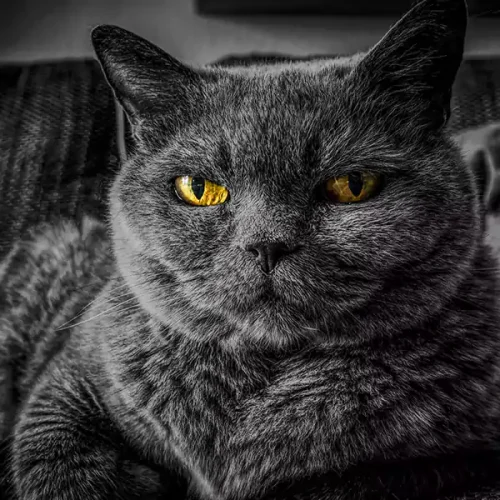
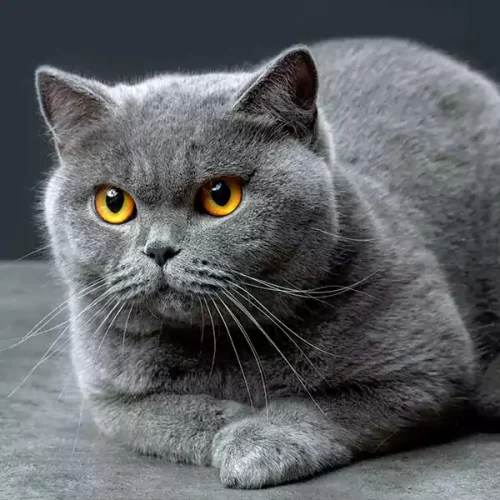
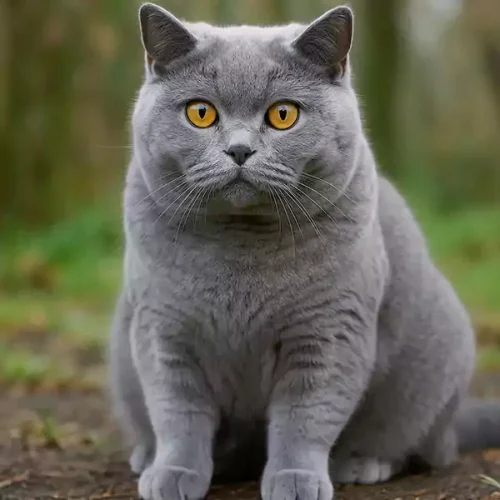
1. British Shorthair Blue (The Classic British Blue)
This is the most famous British Shorthair type, and the one most people recognize instantly.
Appearance
- Solid grey-blue plush coat
- Dense, thick texture
- Copper or deep gold eyes
- Round teddy-bear face
- Charming, soft expression
The British Blue is the symbol of the breed — so iconic that it’s featured in ads, movies, British postcards, and cat shows worldwide.
Personality
British Blues are known for being calm and highly affectionate. They tend to be:
- Observant
- Polite
- Gentle
- Loyal to family
- Quiet
They are perfect for first-time cat owners.
2. British Shorthair Lilac
A delicate pastel shade that looks similar to lavender mixed with grey.
Appearance
- Light violet-grey coat
- Pinkish undertone
- Light copper eyes
- Extremely soft coat
Lilac British Shorthairs look almost dreamy — a favorite among breeders.
3. British Shorthair Black
A striking, elegant type with a jet-black coat.
Appearance
- Solid deep black fur
- Copper or gold eyes
- Glossy shine under sunlight
Black British Shorthairs look regal and mysterious. Their coat is uniform from nose to tail.
4. British Shorthair White
Pure white British Shorthairs have an angelic appearance.
They can have eye colors like:
- Copper
- Blue
- Odd-eyes (one blue, one copper)
Odd-eyed white British Shorthairs are extremely rare and highly valued.
5. British Shorthair Red
Their color resembles rich orange.
Features:
- Fiery red coat
- Copper eyes
- Dense, luxurious fur
They have a warm, vibrant look that stands out from other colors.
6. British Shorthair Cream
Soft, pastel cream coats make this type gentle-looking and calm.
Characteristics:
- Pale cream fur
- Pinkish undertones
- Golden eyes
Cream British Shorthairs appear soft and cuddly.
7. British Shorthair Chocolate
These have a deep cocoa-brown coat that looks luxurious and warm.
Features:
- Rare chocolate-brown fur
- Copper or gold eyes
- Plush coat
Chocolate British Shorthairs are difficult to breed, making them premium cats.
8. British Shorthair Cinnamon & Fawn
These are extremely rare genetic dilute variations.
Cinnamon:
Warm, light brown shade with reddish undertones.
Fawn:
Soft, muted beige-brown derived from cinnamon genetics.
These colors are highly prized by collectors and breeders.
9. Silver Shaded British Shorthair
These cats look like they’re dusted with silver sparkles.
Appearance:
- Pure white undercoat
- Light silver tipping on the fur
- Green or blue-green eyes
Their fur looks “frosted” under light, giving a magical appearance.
10. Golden Shaded British Shorthair
A rich, warm golden color with black-tipped fur.
Features:
- Gold undercoat
- Black or dark tipping
- Green or aqua eyes
This type looks luxurious and rich in color.
11. Tabby British Shorthair (Classic, Mackerel, Spotted)
One of the most naturally beautiful types.
Tabby patterns include:
- Classic (bold swirls)
- Mackerel (striped)
- Spotted
Common colors:
- Silver tabby
- Brown tabby
- Blue tabby
- Red tabby
- Cream tabby
Tabbies have expressive markings around the eyes and cheeks.
12. Bi-Color British Shorthair
A mix of white and another color.
Combinations include:
- Blue + White
- Black + White
- Red + White
- Cream + White
Bi-colors have symmetrical patterns and charming facial markings.
13. Calico British Shorthair
Mostly females.
Colors: Black, Red, White
Calicos are extremely eye-catching because of their random, beautiful patches.
14. Tortoiseshell British Shorthair (Tortie)
A blend of black and red (or chocolate and cream).
Features:
- Marbled patches
- Golden eyes
- Female-dominant genetics
Torties have unique coats — no two torties look alike.
15. Colorpoint British Shorthair
These resemble British versions of the Siamese pattern.
Features:
- Blue or aqua eyes
- Darker face, tail, ears
- Light-colored body
Colors include:
- Blue point
- Lilac point
- Red point
- Cream point
- Seal point
They have the plush build of a BSH with the elegance of a colorpoint.
16. British Longhair (Sister Breed)
A long-haired variant created when British Shorthairs were crossed with Persians.
Features:
- Dense long coat
- Same round face and big cheeks
- Calm temperament
They shed more but look like fluffy teddy bears.
British Shorthair Colors
British Shorthairs come in 80+ officially recognized colors, including:
Solid Colors:
- Blue
- Lilac
- Black
- White
- Chocolate
- Red
- Cream
- Cinnamon
- Fawn
Shaded & Tipped:
- Silver shaded
- Golden shaded
- Chinchilla silver
- Shell golden
Tabby Patterns:
- Classic
- Mackerel
- Spotted
Bi-Color & Van:
- Blue & white
- Black & white
- Lilac & white
- Red & white
Particularly Rare:
- Chocolate
- Cinnamon
- Fawn
- Odd-eyed white
- Golden shaded
This diversity is one reason British Shorthairs attract global breeders.
British Shorthair Price Around the World
Prices depend on:
- Color
- Rarity
- Breeder reputation
- Pedigree quality
- Vaccination & health
- Country demand
Here is the average global pricing:
Global British Shorthair Price Table (2025)
| Country | Average Price |
| USA | $800 – $2,500 |
| UK | £600 – £2,000 |
| Canada | CAD 1,000 – 3,000 |
| Australia | AUD 1,200 – 3,000 |
| UAE | AED 2,000 – 5,000 |
| India | ₹20,000 – ₹80,000 |
| Europe (Germany, France, Italy) | €700 – €2,500 |
Rarest & Most Expensive Variants:
- Golden Shaded
- Silver Shaded
- Chocolate
- Cinnamon
- Fawn
- Odd-eyed White
- British Longhair (Show-line)
Complete British Shorthair Care Guide
British Shorthairs are low-maintenance compared to many breeds, but proper care still matters for their health and longevity.
Let’s explore their needs one by one.
1. Grooming (Everything You Need to Know)
Even though they have short hair, their coat is dense and double-layered, which means:
- It traps loose fur
- Sheds seasonally
- Needs brushing
✔ Brushing Routine:
- 2–3 times per week normally
- Daily during shedding seasons (spring & autumn)
Best Tools:
- Slicker brush
- Rubber grooming glove
- Metal comb
Benefits:
- Reduces shedding
- Prevents hairballs
- Keeps coat shiny
- Reduces skin irritation
Bathing:
- Once every 6–8 weeks
(Too much bathing can strip natural oils.)
Nail clipping:
- Every 3–4 weeks
Ear cleaning:
- Once per month
2. Feeding & Nutrition
British Shorthairs are prone to weight gain because of their calm nature.
They need:
- High-protein diet
- Moderate fat
- Low carbs
- Taurine-rich food
- Omega supplements
Feeding Schedule:
Kittens: 4 small meals/day
Adults: 2 meals/day
Seniors: 3 small meals/day
Recommended Foods:
- Chicken
- Turkey
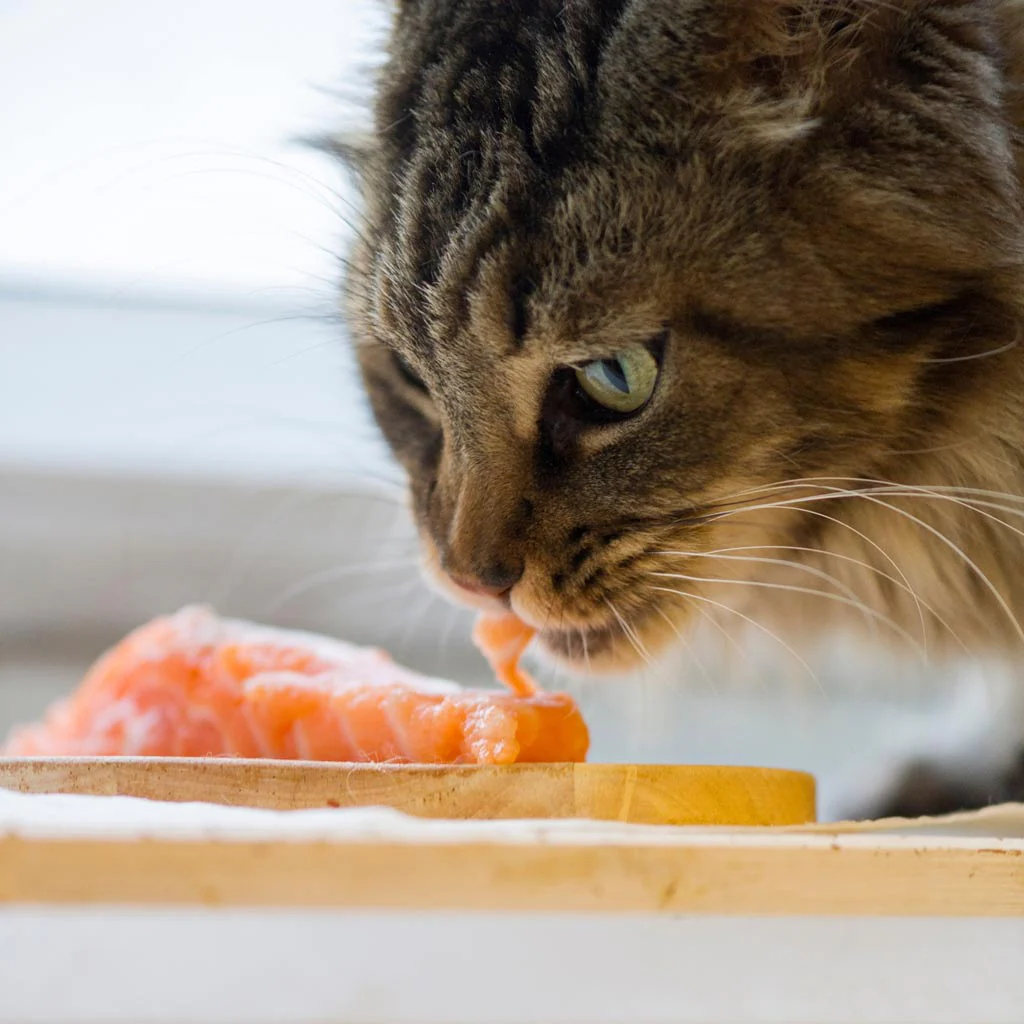
- Salmon
- Tuna (not daily)
- High-quality grain-free kibble
- Wet food with real meat
Avoid:
- Excess treats
- High-carb kibble
- Table scraps
- Overfeeding
3. Litter Box Needs
British Shorthairs are clean and particular.
They prefer:
- Large, open litter boxes
- Fine, soft clumping litter
- Daily scooping
- Weekly washing
A dirty litter box can cause them to avoid it entirely.
4. Toys & Enrichment
British Shorthairs are calm, but still need stimulation.
Best Toys:
- Feather wands
- Puzzle feeders
- Crinkle balls
- Soft toys
- Treat-dispensing toys
Avoid:
- High jumps
- Overly energetic play
- Tall climbing furniture
They prefer ground-level play.
5. Ideal Environment & Temperature
British Shorthairs adapt well, but they thrive in:
- Moderate temperatures
- Quiet households
- Stable routines
They dislike:
- Extremely hot weather
- High humidity
- Loud environments
- Constant change
In hot climates, keep AC on — their dense coat holds heat.
6. Common Mistakes British Shorthair Owners Make
❌ Overfeeding
❌ Not brushing their coat
❌ Using small litter boxes
❌ Not providing fresh water
❌ Letting them jump from tall furniture
❌ Ignoring dental hygiene
British Shorthairs gain weight easily — regular monitoring is essential.
British Shorthair Health Issues
British Shorthairs are generally a healthy, sturdy breed thanks to their natural evolution over centuries. However, like all purebred cats, they’re prone to certain genetic or lifestyle-related issues.
Understanding these in advance helps owners prevent problems, recognize symptoms early, and care for their British Shorthair in the best possible way.
Let’s explore the main health concerns and how to manage them.
1. Obesity (Most Common Issue)
British Shorthairs have a naturally thick, muscular build — but they are also low-energy and love relaxing. This combination makes them prone to gaining weight.
Why they gain weight easily:
- Slow metabolism
- Preference for lounging
- Love of food
- Owners confusing “big build” with “overweight”
Signs of obesity:
- Difficulty grooming
- Rounder belly
- Heavy breathing after light play
- Reduced activity
Prevention:
- Controlled portions
- High-protein, low-carb food
- Scheduled feeding times
- Short, daily play sessions
- Avoid constant treats
Maintaining a healthy weight significantly improves their joint, heart, and overall long-term well-being.
2. Hypertrophic Cardiomyopathy (HCM)
This is the most common heart disease in cats, including British Shorthairs. It causes the heart walls to thicken, making it harder for the heart to pump blood.
Symptoms:
- Lethargy
- Difficulty breathing
- Reduced appetite
- Sudden collapses
Prevention:
- Genetic testing by breeders
- Annual heart check-ups
- Early detection through ultrasounds
A reputable breeder will only breed cats that are HCM-negative.
3. Polycystic Kidney Disease (PKD)
PKD causes small cysts to develop in the kidneys. Historically, it was more common in Persians, but some British Shorthairs inherited this through earlier crossbreeding.
Symptoms:
- Excessive thirst
- Frequent urination
- Weight loss
- Poor coat condition
- Lethargy
Prevention:
- Buy from breeders who do PKD DNA testing
- Yearly kidney check-ups
Early diagnosis helps manage the condition.
4. Dental Issues
British Shorthairs can experience tartar buildup, gum inflammation, and tooth decay because of their jaw structure and calm eating habits.
Signs:
- Bad breath
- Dropping food
- Red gums
- Visible tartar
Prevention:
- Weekly tooth brushing
- Dental treats
- Yearly dental cleaning
5. Joint Issues (Arthritis in Older Cats)
Because of their stocky build, some senior British Shorthairs may develop joint stiffness or arthritis.
Symptoms:
- Difficulty jumping
- Less grooming
- Stiffness on waking
- Reduced play
Prevention:
- Maintain ideal weight
- Joint supplements (glucosamine & chondroitin)
- Soft bedding
- Gentle exercise
6. Respiratory Sensitivity
British Shorthairs don’t have flat faces like Persians, but some have slightly shorter noses, making them mildly sensitive to:
- Dust
- Strong perfumes
- Smoke
Keeping a clean, well-ventilated home helps.
7. Seasonal Shedding & Hairballs
Their dense double coat sheds more than most short-haired breeds.
Hairball prevention:
- Regular brushing
- Hairball-control food
- Proper hydration
Hairballs are normal — but too many can cause discomfort.
8. Eye Discharge (Mild)
Not as extreme as flat-faced cats, but some BSHs may have occasional watery eyes.
Solutions:
- Gentle cleaning
- Check for allergies
- Maintain dust-free environment
British Shorthair Behavior
British Shorthairs have one of the most stable, predictable, and pleasant personalities in the cat world. Their behavior is perfectly suited for peaceful homes and responsible families.
1. Calm, Gentle & Well-Mannered
This breed is often described as:
- Quiet
- Polite
- Charming
- Dignified
- Thoughtful
They don’t create chaos or demand constant attention. Instead, they bring a comforting sense of calm into the household.
2. Affectionate but Independent
British Shorthairs love being around their humans, but they’re respectful of personal space.
They enjoy closeness without being clingy.
Expect them to:
- Sit beside you
- Sleep near your bed
- Follow you from room to room
- Curl up at your feet
But they won’t insist on being carried or constantly touched.
3. Not a Lap Cat (Mostly)
Some individuals enjoy lap time, but many prefer lying next to you rather than on you.
Their dense, warm coat makes them naturally prefer cooler surfaces.
4. Excellent with Kids and Families
British Shorthairs rarely scratch or lash out. Their patience makes them ideal for households with children — especially those who understand gentle handling.
They also tolerate:
- Noise
- Guests
- Family gatherings
- Multiple people handling them
Their steady temperament shines in busy homes.
5. Great with Other Pets
They coexist beautifully with:
- Calm dogs
- Other cats
- Seniors
- Small pets (kept safely separate)
They’re not territorial or aggressive.
6. Quiet Communicators
British Shorthairs rarely meow loudly. Their voice is soft, sweet, and used sparingly.
They usually vocalize when:
- They’re hungry
- They greet you
- They want gentle attention
Their silence is one of their most adored traits.
7. Play Style: Calm & Grounded
British Shorthairs enjoy playtime, but nothing too intense.
Favorite play styles:
- Short bursts of activity
- Wand toys
- Feather teasers
- Slow, thoughtful chasing
They’re not jumpers or climbers — their stocky body prefers ground-level play.
British Shorthair Lifespan & Growth Stages
British Shorthairs are long-living cats with proper care, thanks to their natural, robust ancestry.
Average Lifespan
14–20 years: Many British Shorthairs live long, healthy lives when fed properly and kept at a healthy weight.
1. Growth Stages
✔ 0–3 Months (Kitten Stage)
- Very playful
- Rapid growth
- Developing social skills
- Needs high-protein food
✔ 3–6 Months (Exploration Stage)
- Curious and active
- Learning house rules
- Bonding deeply with humans
✔ 6–12 Months (Teenager Stage)
- Growth slows
- Personalities begin forming
- Likely to test boundaries
- Training becomes important
✔ 1–3 Years (Young Adult Stage)
- Fully grown in height
- Weight and muscle still developing
- Males begin developing cheek pads
✔ 3–6 Years (Prime Adult Stage)
- Calm, stable temperament
- Strong bond with owners
- Fully matured appearance
✔ 7–10 Years (Mature Adult Stage)
- Activity levels decrease
- May need weight monitoring
✔ 10+ Years (Senior Stage)
- Needs gentle play
- Senior-friendly diet
- Regular vet checks
British Shorthair Adoption Guide
Adopting a British Shorthair is a beautiful decision. While many people buy pedigree kittens, there are plenty of British Shorthairs in shelters or rescue groups who need loving homes.
Here’s a simple and complete adoption guide.
1. Where to Adopt
- Local animal shelters
- British Shorthair rescue groups
- Breed-specific rescues
- Online adoption platforms
- Social media rescue pages
- Foster networks
Many rescued British Shorthairs are surrendered because owners couldn’t manage shedding, weight gain, or time commitments.
2. What to Check Before Adopting
✔ Health Check
Look for:
- Clear eyes
- Good coat condition
- Normal breathing
- Healthy weight
- No bald patches
✔ Behavior Check
The cat should:
- Use the litter box
- Respond to people
- Show curiosity
- Not show aggression (unless fearful)
✔ Documents (if available)
- Vaccination records
- Deworming history
- Microchip details
- Medical reports
3. Why Adopt a British Shorthair?
- They adapt quickly
- They bond deeply
- They appreciate stable homes
- They’re easy to care for
- They’re undemanding and calm
Adopting one often brings a deeper sense of gratitude and connection.
British Shorthair FAQs
1. Are British Shorthairs friendly?
Yes, they are one of the calmest and friendliest breeds, great for families and kids.
2. Are they high-maintenance?
No, grooming is moderate, and personality-wise they’re easy to live with.
3. Do British Shorthairs shed a lot?
Yes, especially in spring and autumn because of their double coat.
4. Are British Shorthairs good for beginners?
Absolutely — they’re gentle, easygoing, and low-drama.
5. Are they indoor cats?
Preferably yes. They thrive indoors and do not need outdoor roaming.
6. Do British Shorthairs like being held?
Some do, but many prefer sitting beside you rather than in your arms.
7. Can they be left alone?
Yes, for moderate hours. They handle independence well.
8. Are British Shorthairs vocal?
No, they’re a quiet breed.
9. Do they get along with dogs?
Yes, especially calm, respectful dogs.
10. How long do British Shorthairs live?
14–20 years on average.
11. Are they playful?
Yes, but in short, gentle sessions.
12. Why is my British Shorthair overweight?
Their calm nature and love of food make weight gain common.
13. What is the best food for them?
High-protein, low-carb diets suited for indoor cats.
14. Do they jump a lot?
Not much — they prefer the ground.
15. Can British Shorthairs be trained?
Yes — they learn routines quickly.
16. Why do they have big cheeks?
Male hormone development + breed genetics.
17. Do British Shorthairs need special litter?
They prefer soft, fine clumping litter.
18. Do they scratch furniture?
Rarely — they’re polite cats but still need a scratching post.
19. Are they hypoallergenic?
No, they shed too much to be considered hypoallergenic.
20. Can they live in hot climates?
Yes, but they need AC or cool rooms.
21. Do British Shorthairs drool?
Sometimes when very relaxed — normal.
22. How often should they be groomed?
2–3 times a week normally; daily during shedding.
23. Why is my BSH breathing heavily?
Possible obesity, stress, or mild respiratory sensitivity.
24. Are they aggressive?
No — aggression is extremely rare.
25. Why won’t my British Shorthair sit on my lap?
They prefer closeness without being held — completely normal.
26. Do they get lonely?
They enjoy company but don’t panic when alone.
27. How do they show love?
By following you, slow blinking, and sitting near you.
28. Do they sleep a lot?
Yes — 12–16 hours a day.
29. Can they travel well?
Yes, as long as they feel secure and comfortable.
30. Are British Shorthairs expensive?
Rare colors and pedigrees can be pricey, but they’re worth every bit of the investment.