
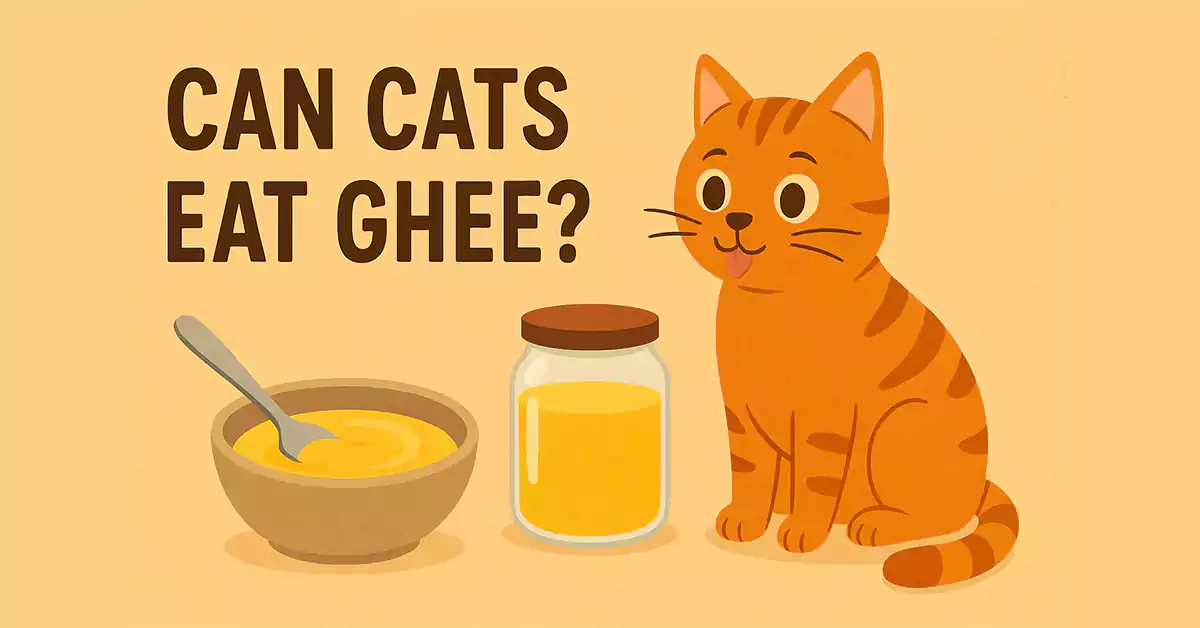
You may have seen ghee in many homemade dishes or even used it for frying, cooking, or drizzling over food. So it’s natural to wonder: Can cats eat ghee? Is ghee safe for them?
The short answer is: Cats can eat a tiny amount of ghee, but it is not recommended as a regular treat.
Ghee is not toxic to cats — but it is extremely high in fat, and cats’ digestive systems are not designed to handle fatty dairy products. Even a small spoonful can upset some cats’ stomachs.
| Feature | Cat Grass Kit | Cat Water Fountain | Cat Probiotics | Healthy Cat Treats | Interactive Cat Toy |
|---|---|---|---|---|---|
| Image |

|

|
|

|

|
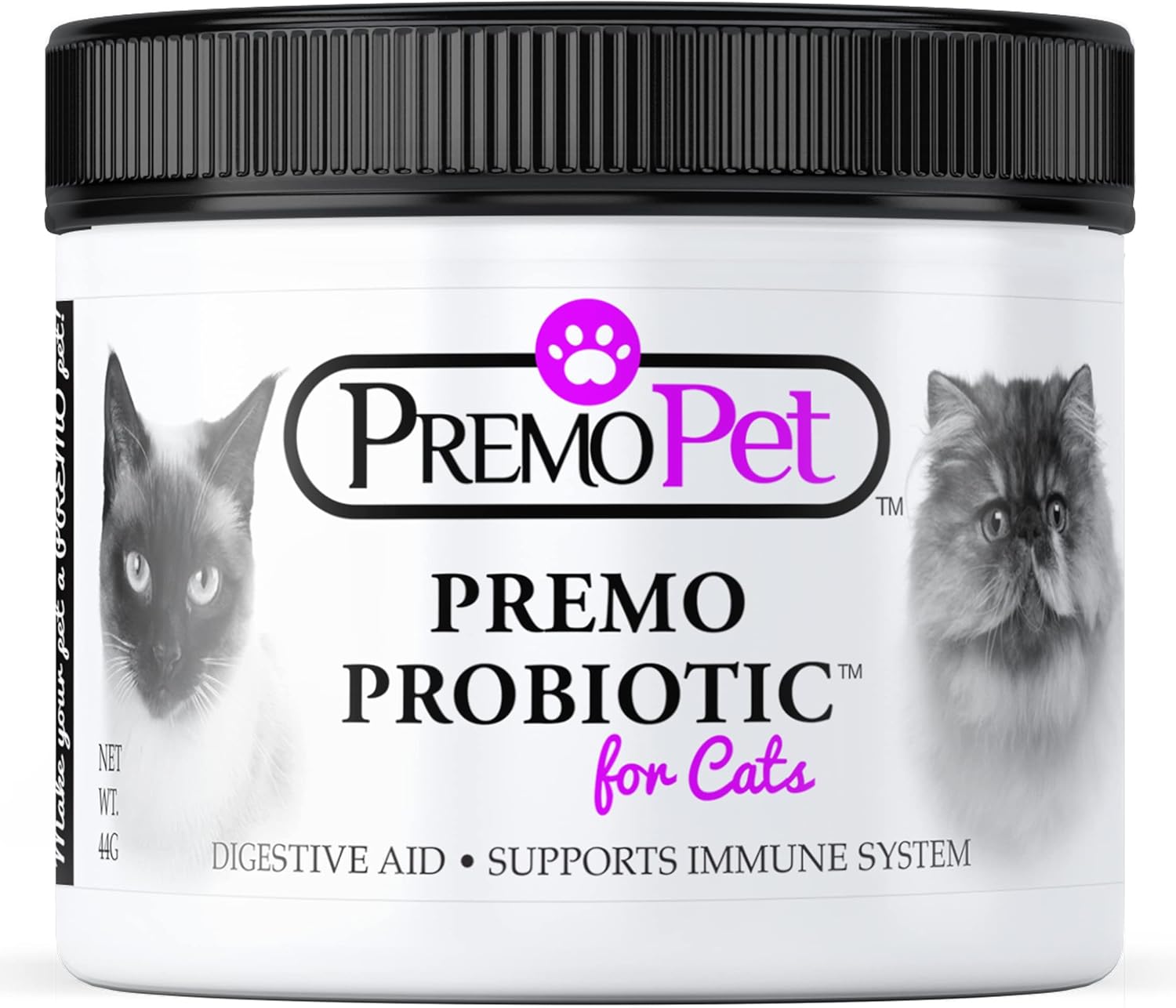
| Product Name | Cat Grass Growing Kit | Cat Water Fountain | Cat Digestive Probiotics | Healthy Cat Treats | Interactive Cat Toy |
| Best For | Indoor cats & safe grazing | Hydration & urinary health | Digestive support | Rewards & nutrition | Exercise & enrichment |
| Affiliate Potential | ⭐⭐⭐⭐☆ | ⭐⭐⭐⭐⭐ | ⭐⭐⭐⭐⭐ | ⭐⭐⭐⭐☆ | ⭐⭐⭐☆☆ |
| Why Buy? | Provides a safe alternative to outdoor grass and supports digestion. | Encourages cats to drink more water throughout the day. | Supports a healthy gut and reduces digestive discomfort. | Delicious rewards with added nutritional benefits. | Keeps indoor cats active and mentally stimulated. |
| Buy Now | Buy Now | Buy Now | Buy Now | Buy Now | Buy Now |
Let’s break down the benefits, risks, proper serving guidelines, and whether ghee should ever be part of a cat’s diet.
Also Read: Can Cats Eat Butter? A Vet-Informed, Detailed Guide for Cat Owners 2026
What Exactly Is Ghee — And Why Cats May React Differently to It
Ghee is clarified butter, meaning:
- Milk solids are removed
- Most lactose is removed
- Only pure butterfat remains
Because of this, many people think ghee is automatically safe for cats since it’s “lactose-free,” but the issue for cats isn’t usually lactose — it’s fat.
Cats are obligate carnivores, and although they can digest small amounts of fat, they are not built to consume heavy, oily, concentrated fats like ghee.
This means:
- A lick or two is normally harmless
- A teaspoon or more may cause digestive problems
- Regular feeding can lead to long-term health issues
Is Ghee Safe for Cats?
Safe? Yes, in very small amounts.
Healthy? Not really.
Recommended? Mostly no.
Ghee is not toxic. But because it is nearly 100% fat, it places stress on the pancreas and liver when eaten in excess.
Ghee is considered “safe” only when:
- Given in extremely tiny amounts
- Offered occasionally, not regularly
- Your cat has no digestive or pancreatic problems
Ghee is NOT safe for cats when:
- They are overweight
- They have pancreatitis or any history of it
- They have sensitive stomachs
- They have diarrhea or loose stools
- They are on a low-fat diet
- They are kittens
So, while ghee is technically safe, that doesn’t mean it’s a good idea for most cats.
Potential Benefits of Ghee for Cats (In Tiny Amounts)
Some cat owners believe ghee offers benefits. While none of these are scientifically proven for cats, here’s what people claim — and what may be true in moderation.
1. May help mild constipation
A very tiny amount (½ teaspoon or less) can sometimes help lubricate the digestive tract.
However, pumpkin or fiber supplements are far safer options.
2. Helps coat shine
Since ghee is pure fat, it may temporarily make a cat’s coat appear shinier — but this effect is cosmetic, not nutritional.
3. Contains fat-soluble vitamins (A, E, K)
Cats do need these vitamins, but they get them best from meat-based sources, not dairy fats.
4. Can hide medicine
Some owners mix a drop of ghee with pills or powders. This can work — but only occasionally.
Overall, the “benefits” are mild and do not outweigh the potential risks.
Risks of Feeding Ghee to Cats
This is where you should pay close attention. Ghee has several risks that make it unsuitable as a regular treat.
1. High Fat Content → Digestive Upset
Even a small amount of ghee may trigger:
- Vomiting
- Soft stools
- Diarrhea
- Gas
- Stomach pain
Cats are not used to digesting oily foods.
2. Risk of Pancreatitis
This is the most serious concern.
Pancreatitis is inflammation of the pancreas and can be life-threatening.
High-fat foods — including ghee — are one of the main triggers.
Signs of pancreatitis include:
- Lethargy
- Vomiting
- Abdominal pain
- Loss of appetite
- Diarrhea
Cats who are overweight or middle-aged are at higher risk.
3. Weight Gain and Obesity
Ghee is calorie-dense. Even ½ teaspoon contains a LOT of calories for a cat.
Regular feeding can lead to:
- Weight gain
- Joint strain
- Diabetes
- Heart issues
4. Not nutritionally necessary
Cats simply do not need ghee.
They get all their fat requirements from meat, which is easier for them to digest.
Can Cats Lick Ghee Accidentally?
Yes — and usually it’s fine.
If your cat licked:
- Your finger
- A little from a spoon
- A few drops spilled on the floor
…it’s not a cause for panic. Just monitor your cat for any digestive upset.
If your cat consumed a large amount, keep an eye out for vomiting or diarrhea.
How Much Ghee Is Safe for Cats?
If you choose to feed ghee despite the risks:
Safe amount:
- A pinch (less than ¼ teaspoon)
- Only once in a while
- For adult, healthy cats only
Unsafe amount:
- ½ teaspoon or more
- Daily feeding
- Feeding to kittens
- Feeding to cats with health conditions
Remember: it’s always better to err on the side of caution.
How to Feed Ghee Safely (If You Decide To)?
If you’re using ghee for constipation or coat shine, follow these guidelines:
1. Use only plain, pure ghee
Never flavored ghee or ghee mixed with:
- Salt
- Spices
- Herbs
- Garlic (toxic)
2. Mix a tiny drop with food
This reduces the risk of stomach upset.
3. Do not heat the ghee too high
Burnt ghee produces harmful compounds.
4. Start small
Try a drop the size of a lentil.
5. Observe for 24 hours
Watch for:
- Diarrhea
- Vomiting
- Lethargy
If symptoms appear, discontinue immediately.
Should Ghee Be Used for Constipation in Cats?
Some pet owners swear by ghee as a constipation remedy.
However, veterinarians suggest safer alternatives like:
- Pumpkin puree
- Cat-safe fiber supplements
- Stool softeners prescribed by a vet
- Hydration
Ghee should NOT be your first choice.
Can Kittens Eat Ghee?
No. Absolutely not.
Kittens have extremely sensitive stomachs, and even a small amount of ghee can cause:
- Diarrhea
- Dehydration
- Nutrient malabsorption
Avoid ghee for all kittens under 12 months.
Common Questions Cat Owners Ask
No — but it is unhealthy in large amounts.
Also not recommended. Butter contains lactose and less fat, but is still unsuitable.
It may help slightly, but hairball gels and fiber are much better options.
Definitely not. This increases the risk of pancreatitis.
Cats love fat — but that doesn’t make it healthy.
Healthier Alternatives to Ghee
Instead of ghee, offer:
- Cooked chicken
- Tuna flakes (unsalted)
- Salmon oil (vet-approved)
- Pumpkin puree
- Commercial hairball paste
These are safer and more nutritious.
Final Verdict: Can Cats Eat Ghee?
Cats can lick a tiny amount of ghee occasionally — but it is not a recommended treat.
It is high in fat, unnecessary for their nutrition, and risky for cats prone to digestive or pancreatic issues.
If your cat accidentally licks a small amount, don’t worry. But avoid deliberately adding ghee to your cat’s diet unless instructed by a veterinarian.
In short:
Ghee is safe in tiny amounts, but not healthy or beneficial enough to justify feeding it.
| Feature | Cat Grass Kit | Cat Water Fountain | Cat Probiotics | Healthy Cat Treats | Interactive Cat Toy |
|---|---|---|---|---|---|
| Image |
|
|
|
|
|
| Product Name | Cat Grass Growing Kit | Cat Water Fountain | Cat Digestive Probiotics | Healthy Cat Treats | Interactive Cat Toy |
| Best For | Indoor cats & safe grazing | Hydration & urinary health | Digestive support | Rewards & nutrition | Exercise & enrichment |
| Affiliate Potential | ⭐⭐⭐⭐☆ | ⭐⭐⭐⭐⭐ | ⭐⭐⭐⭐⭐ | ⭐⭐⭐⭐☆ | ⭐⭐⭐☆☆ |
| Why Buy? | Provides a safe alternative to outdoor grass and supports digestion. | Encourages cats to drink more water throughout the day. | Supports a healthy gut and reduces digestive discomfort. | Delicious rewards with added nutritional benefits. | Keeps indoor cats active and mentally stimulated. |
| Buy Now | Buy Now | Buy Now | Buy Now | Buy Now | Buy Now |