
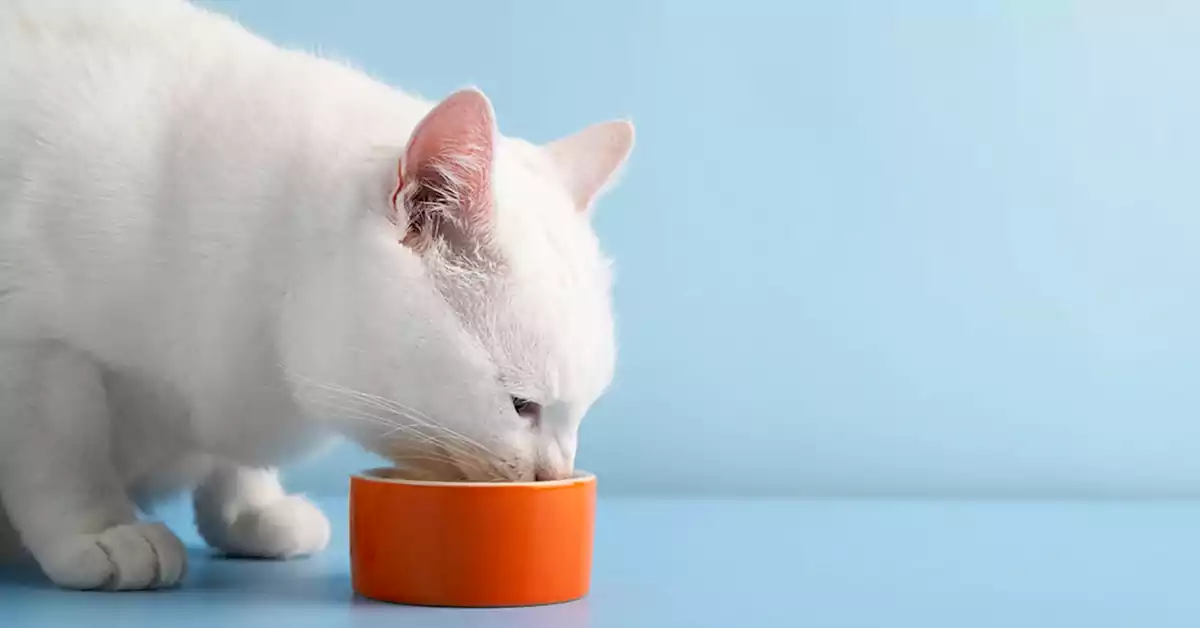
Can Cats Drink Bone Broth?
Yes — cats can safely drink bone broth, and it’s actually one of the best nutritional supplements you can add to their diet. Bone broth is gentle on the stomach, hydrating, rich in amino acids, and helpful for cats recovering from illness, picky eaters, or seniors who need joint support.
But not all bone broth is safe for cats. Store-bought broths, salted soups, and broths containing onion or garlic can be harmful. This article covers everything you need to know before giving bone broth to your cat: benefits, risks, how to prepare it, how much to serve, and the differences between bone broth, soup, and broth for humans.
| Feature | Cat Grass Kit | Cat Water Fountain | Cat Probiotics | Healthy Cat Treats | Interactive Cat Toy |
|---|---|---|---|---|---|
| Image |

|

|
|

|

|
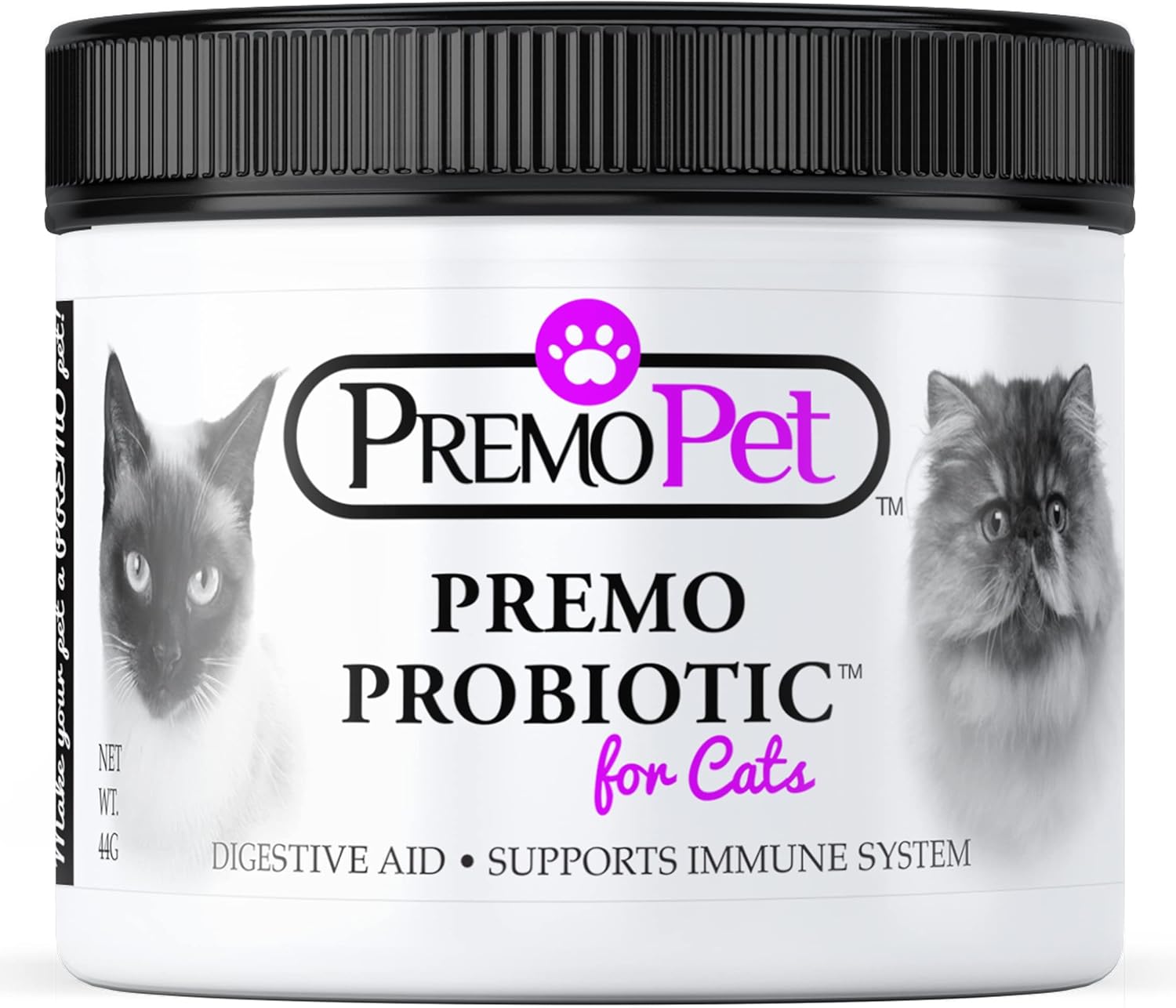
| Product Name | Cat Grass Growing Kit | Cat Water Fountain | Cat Digestive Probiotics | Healthy Cat Treats | Interactive Cat Toy |
| Best For | Indoor cats & safe grazing | Hydration & urinary health | Digestive support | Rewards & nutrition | Exercise & enrichment |
| Affiliate Potential | ⭐⭐⭐⭐☆ | ⭐⭐⭐⭐⭐ | ⭐⭐⭐⭐⭐ | ⭐⭐⭐⭐☆ | ⭐⭐⭐☆☆ |
| Why Buy? | Provides a safe alternative to outdoor grass and supports digestion. | Encourages cats to drink more water throughout the day. | Supports a healthy gut and reduces digestive discomfort. | Delicious rewards with added nutritional benefits. | Keeps indoor cats active and mentally stimulated. |
| Buy Now | Buy Now | Buy Now | Buy Now | Buy Now | Buy Now |
Let’s break it all down, step-by-step.
Also Read: Can Cats Drink Soup? A Complete Vet Approved Guide for Cat Owners 2026
What Is Bone Broth, Really?
Bone broth is a slow-cooked liquid made by simmering animal bones (usually chicken, beef, turkey, or fish) in water for several hours — sometimes up to 24 hours.
During this slow process, the broth becomes rich in:
- Amino acids
- Gelatin
- Collagen
- Minerals
- Healthy fats
- Natural hydration
These nutrients make bone broth beneficial not just for humans but also for animals — including cats, when prepared correctly.
Is Bone Broth Safe for Cats?
Yes, bone broth is safe as long as it is:
- Homemade
- Unsalted
- Plain (no garlic, onion, spices, butter, or oil)
- Strained to remove bones and fragments
Commercial broths often contain dangerous ingredients for cats such as:
- Onion
- Garlic
- Excessive salt
- Seasonings
- Preservatives
- Flavor enhancers
Always check the label — or better, make your own.
Why Bone Broth Is Good for Cats?
1. Excellent for Hydration
Many cats naturally drink very little water, which can affect their kidneys and urinary tract.
Bone broth provides:
- Natural hydration
- Electrolytes
- Gentle nourishment
It’s especially helpful for cats who reject plain water or eat mostly dry food.
2. Easy Nutrition for Sick Cats
If your cat is recovering from:
- Fever
- Flu
- Stomach upset
- Dental problems
- Surgery
Bone broth helps them get calories, nutrients, and hydration without forcing solid food.
Even vets recommend bone broth during recovery diets.
3. Supports Joint & Bone Health
Bone broth is rich in:
- Collagen
- Gelatin
- Glucosamine
- Chondroitin
These compounds support:
- Cartilage health
- Joint lubrication
- Mobility in older cats
It’s especially good for senior cats or cats with arthritis.
4. Gentle on Sensitive Stomachs
Bone broth is one of the easiest foods for cats to digest.
It can help with:
- Mild diarrhea
- Loss of appetite
- Inflammation
- Post-illness recovery
It soothes the digestive tract instead of stressing it.
5. Encourages Picky Eaters
Some cats simply don’t eat enough.
Pouring bone broth over their food:
- Enhances flavor
- Softens dry kibble
- Stimulates appetite
This can help underweight cats or fussy eaters.
Risks: When Is Bone Broth NOT Safe for Cats?
Bone broth becomes unsafe if it contains:
1. Onion or Garlic
Both are toxic to cats and can cause:
- Anemia
- Weakness
- Lethargy
- Pale gums
Even a small amount is dangerous.
2. High Sodium
Too much salt can lead to:
- Dehydration
- Vomiting
- Kidney stress
- Sodium poisoning (in extreme cases)
Cats need extremely low-salt diets.
3. Butter, Oil, or Spices
Human soups often contain:
- Butter
- Pepper
- Herbs
- Chili
- Seasoning mixes
All are irritating or toxic for cats.
4. Bone Fragments
Bone pieces can:
- Break teeth
- Cause choking
- Puncture the digestive tract
Always strain broth thoroughly.
How to Prepare Bone Broth for Cats? (Step-by-Step)
Here’s a safe homemade recipe.
Ingredients
- Chicken necks/legs, turkey bones, beef bones, or fish bones
- Water
That’s it — no salt, no spices.
Instructions
1. Rinse the bones
Remove excess fat and residue.
2. Add bones to a large pot or slow cooker
Fill with water until bones are completely submerged.
3. Simmer slowly
Cook on low heat for:
- 12–24 hours for chicken
- 24–48 hours for beef
- 4–6 hours for fish
Long cooking extracts nutrients.
4. Strain thoroughly
Remove all bones and fragments.
5. Cool the broth
A gel-like texture is normal — it means it’s rich in collagen.
6. Store properly
- Refrigerate up to 5 days
- Freeze in small cubes for up to 3 months
How Much Bone Broth Can Cats Drink?
Small amounts are best.
Safe serving size:
- 1–2 tablespoons per serving
- Once daily for hydration or appetite support
- 2–3 times per week for normal cats
For kittens
½ tablespoon mixed with food.
Never give large quantities.
How to Serve Bone Broth to Cats?
Bone broth can be used in several ways:
1. Pour over dry food
Softens kibble
Adds flavor
Improves hydration
2. Mix with wet food
Helps picky eaters
Boosts nutrition
3. Serve as a warm drink
Comforting during illness or cold weather
4. Freeze into small broth cubes
Fun enrichment treat
Useful in summer
Can Cats Drink Store-Bought Bone Broth?
Only if it is specifically labeled pet-safe.
Avoid broths that contain:
- Onion
- Garlic
- Salt
- Seasonings
- Yeast extract
- Oils
- Chemicals or preservatives
Look for products with ONLY:
- Water
- Bones
- Meat
Nothing else.
Bone Broth vs. Regular Soup — What’s the Difference?
Many cat owners confuse the two.
| Feature | Bone Broth | Soup |
|---|---|---|
| Ingredients | Just bones + water | Salt, spices, onion, garlic |
| Safe for cats | Yes, when plain | Usually unsafe |
| Purpose | Nutrition, hydration | Human flavor |
| Cooking time | 12–24 hours | 20–40 minutes |
Soup is not safe for cats unless specifically prepared for pets.
Which Cats Benefit Most From Bone Broth?
Bone broth is especially useful for:
- Senior cats
- Underweight cats
- Cats recovering from surgery
- Cats with low appetite
- Cats with dehydration risk
- Cats with mild digestive issues
- Cats with arthritis
It’s a natural supplement that helps without medication.
Which Cats Should Avoid Bone Broth?
Avoid or limit bone broth for cats with:
- Severe kidney disease (consult vet)
- Pancreatitis (too much fat is harmful)
- High sodium sensitivity
- Severe diarrhea
In these cases, always ask a vet first.
Final Verdict: Can Cats Drink Bone Broth?
Yes — plain homemade bone broth is one of the healthiest, safest things you can give your cat. It supports hydration, digestion, joints, and overall wellness. But it must be prepared properly, with NO salt, NO spices, and NO onion or garlic.
Serve it in small amounts, use it as a topper, and store it safely. Done right, bone broth can be a powerful nutritional boost for cats of all ages.
| Feature | Cat Grass Kit | Cat Water Fountain | Cat Probiotics | Healthy Cat Treats | Interactive Cat Toy |
|---|---|---|---|---|---|
| Image |
|
|
|
|
|
| Product Name | Cat Grass Growing Kit | Cat Water Fountain | Cat Digestive Probiotics | Healthy Cat Treats | Interactive Cat Toy |
| Best For | Indoor cats & safe grazing | Hydration & urinary health | Digestive support | Rewards & nutrition | Exercise & enrichment |
| Affiliate Potential | ⭐⭐⭐⭐☆ | ⭐⭐⭐⭐⭐ | ⭐⭐⭐⭐⭐ | ⭐⭐⭐⭐☆ | ⭐⭐⭐☆☆ |
| Why Buy? | Provides a safe alternative to outdoor grass and supports digestion. | Encourages cats to drink more water throughout the day. | Supports a healthy gut and reduces digestive discomfort. | Delicious rewards with added nutritional benefits. | Keeps indoor cats active and mentally stimulated. |
| Buy Now | Buy Now | Buy Now | Buy Now | Buy Now | Buy Now |