
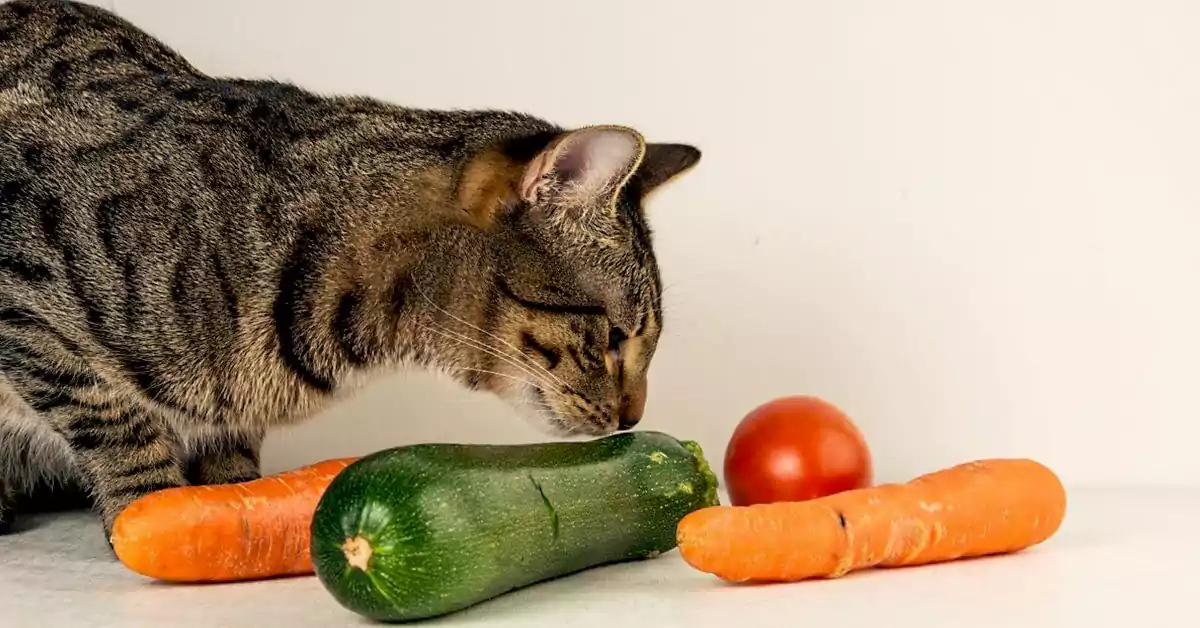
Vegetables are a natural part of human meals. We chop them, boil them, sauté them, and blend them into food daily. And whenever vegetables appear in the kitchen, a familiar furry presence shows up — your cat sniffing the cutting board, pawing at the chopping area, or begging to taste what you are preparing.
But just like fruit, vegetables do not belong naturally in a cat’s diet. Cats in the wild never ate carrots, cucumbers, beetroot, or corn. Their digestive system evolved to break down meat — rich in protein and fat — not dense plant fiber. Yet many cats show interest in vegetables because of texture, temperature, smell, or pure curiosity.
| Feature | Cat Grass Kit | Cat Water Fountain | Cat Probiotics | Healthy Cat Treats | Interactive Cat Toy |
|---|---|---|---|---|---|
| Image |

|

|
|

|

|
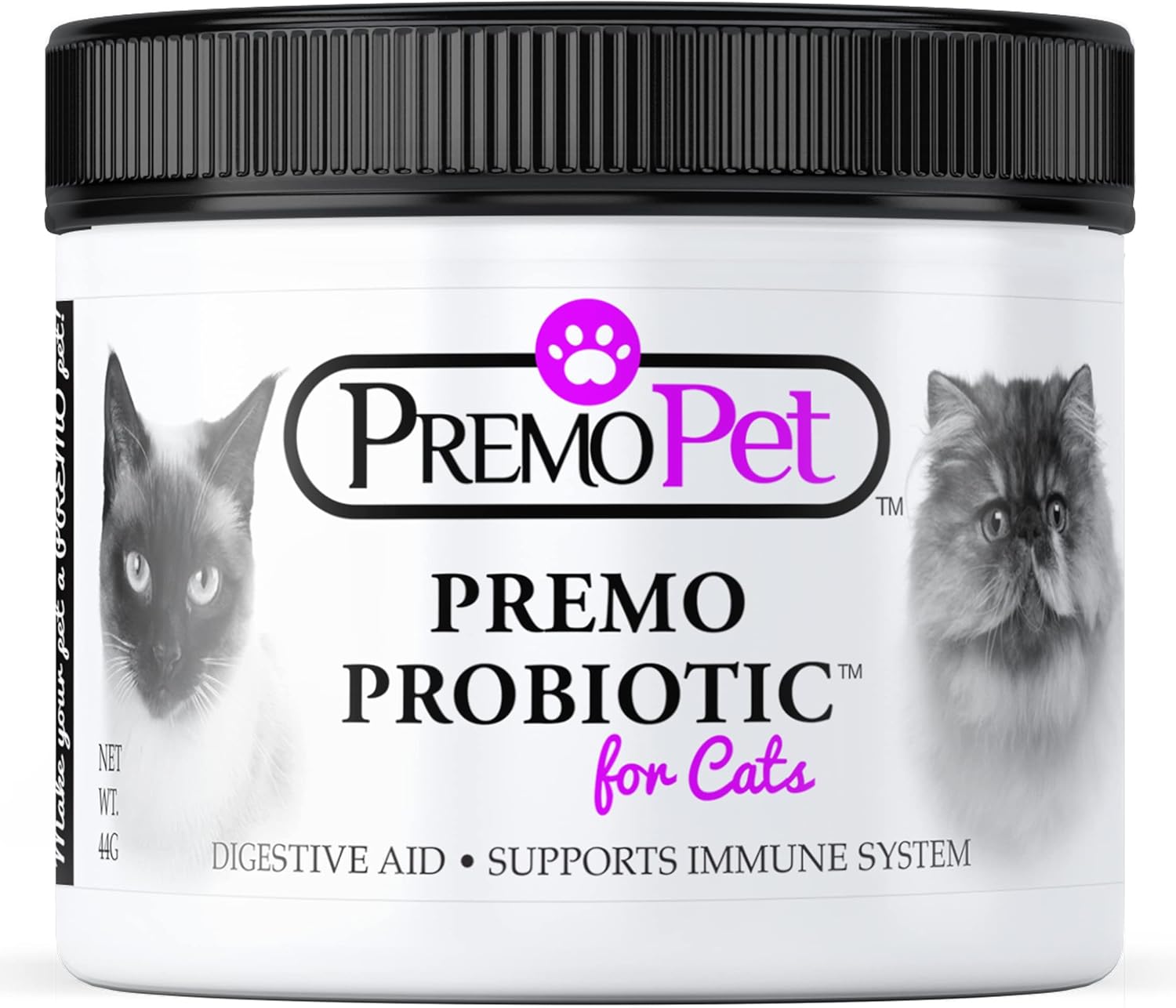
| Product Name | Cat Grass Growing Kit | Cat Water Fountain | Cat Digestive Probiotics | Healthy Cat Treats | Interactive Cat Toy |
| Best For | Indoor cats & safe grazing | Hydration & urinary health | Digestive support | Rewards & nutrition | Exercise & enrichment |
| Affiliate Potential | ⭐⭐⭐⭐☆ | ⭐⭐⭐⭐⭐ | ⭐⭐⭐⭐⭐ | ⭐⭐⭐⭐☆ | ⭐⭐⭐☆☆ |
| Why Buy? | Provides a safe alternative to outdoor grass and supports digestion. | Encourages cats to drink more water throughout the day. | Supports a healthy gut and reduces digestive discomfort. | Delicious rewards with added nutritional benefits. | Keeps indoor cats active and mentally stimulated. |
| Buy Now | Buy Now | Buy Now | Buy Now | Buy Now | Buy Now |
That leads to the big question:
Which vegetables can cats eat safely? Which should they avoid? And how much is safe?
This pillar article will walk you through all 15 vegetables, one by one, in a detailed, practical, real-world style — so you always know what is safe, why it’s safe, and how to feed responsibly.
Let’s begin with the vegetables that are commonly asked about.
1. Can Cats Eat Carrots?
Carrots are one of the safest vegetables for cats — when cooked properly. Raw carrots can be too hard, increasing the risk of choking or stomach irritation, but boiled or steamed carrots soften and become easier for cats to chew.
Nutritionally, carrots provide beta-carotene, vitamin A, fiber, and antioxidants. However, cats do not convert beta-carotene to vitamin A effectively; they get their vitamin A directly from animal sources. So the nutritional benefit is limited. Carrots are not harmful, but they are not necessary either.
If you want to offer carrots, slice them into small, soft pieces after boiling. A pea-sized amount is enough. Avoid giving seasoned carrots — no salt, oil, butter, or spices. A plain boiled carrot cube is the safest form.
Some cats enjoy nibbling on carrots because of the texture, especially when warm and soft. Others may ignore them completely. Both reactions are normal. Cats should never rely on carrots for nutrition, and overfeeding can cause digestive issues due to high fiber content.
Shared occasionally in tiny pieces, carrots are harmless — but they should never replace meat-based treats.
Detailed Article → Read more: Can Cats Eat Carrots? A Complete Guide for Cat Owners
2. Can Cats Eat Cucumber?
Cucumber is one of the most cat-friendly vegetables. It is mostly water (about 95%), making it a refreshing treat for cats who struggle to stay hydrated. Many cats enjoy licking or biting into cucumber slices simply because they are cool, crunchy, and soothing.
Cucumber contains vitamins K and C, along with potassium — but again, cats do not need these nutrients from vegetables. Their bodies get everything they need from a balanced meat-based diet. So cucumber works more as a hydration booster or fun chew toy than a nutritionally essential food.
Always peel cucumbers before serving, especially if purchased from a supermarket. The outer skin may contain pesticides or wax coatings that can upset a cat’s stomach. Slice cucumbers thinly into very small pieces or offer a small soft inner section.
Avoid giving cucumber seeds in large amounts — small amounts are fine, but too much may irritate sensitive stomachs. Also avoid seasoned cucumbers such as pickles, salads, or cucumber soaked in vinegar.
If your cat enjoys cucumber, offer a thin slice once a week. If they ignore it, no problem — their diet lacks nothing.
Detailed Article → Read more: Can Cats Eat Cucumber? A Complete Guide for Cat Owners
3. Can Cats Eat Pumpkin?
Pumpkin is one of the BEST vegetables to give a cat — not as a treat, but as a digestive support food. Many veterinarians recommend canned pumpkin or fresh boiled pumpkin for cats dealing with constipation or diarrhea. Pumpkin is gentle, soothing, and rich in soluble fiber, which helps regulate bowel movements.
For constipated cats, pumpkin softens stool.
For cats with diarrhea, pumpkin binds stool.
Few foods work in both situations — but pumpkin does.
The safest form of pumpkin is plain, boiled, mashed pumpkin. Never give pumpkin pie filling, pumpkin spice products, or pumpkin mixed with sugar or dairy. These can cause severe digestive upset.
A good serving is 1–2 teaspoons mixed into wet food. Pumpkin should not be fed daily — only when needed for digestive support or as an occasional fiber boost once a week.
Pumpkin seeds are not toxic, but they are hard, oily, and unnecessary for cats. Avoid giving seeds entirely unless roasted and crushed, and even then, tiny amounts only.
Pumpkin is one of the few vegetables that provides real, practical benefits for cats when used correctly.
Detailed Article → Read more: Can Cats Eat Pumpkin? A Complete Guide for Cat Owners
4. Can Cats Eat Sweet Potato?
Sweet potato is safe for cats if cooked — never raw. Raw sweet potato contains compounds that are difficult for cats to digest and can lead to gastrointestinal discomfort. When boiled or baked (plain, without salt or seasoning), sweet potato softens and becomes easier for cats to handle.
Sweet potatoes are high in carbohydrates, which cats do not need. They are obligate carnivores, so carbs should be minimal in their diets. Still, a tiny amount of cooked, mashed sweet potato can be useful in helping a cat with mild constipation due to its fiber content.
Some store-bought grain-free cat foods include sweet potato as a filler ingredient, but these are formulated in controlled amounts. When feeding at home, keep portions extremely small — no more than one teaspoon.
Avoid sweet potato fries, mashed sweet potato with butter, baked sweet potato with seasoning, or anything cooked in oil. These are harmful to cats.
Sweet potato is safe, but not ideal. It should be used rarely and responsibly.
Also Read: Can Cats Eat Sweet Potato? A Complete Guide for Cat Owners
5. Can Cats Eat Spinach?
Spinach is a leafy green packed with nutrients — in fact, many premium cat foods list spinach as an ingredient because it offers vitamins, minerals, and antioxidants. But spinach is not safe for all cats.
Spinach contains oxalates, which can contribute to the formation of calcium oxalate bladder stones. For healthy cats with no urinary issues, a tiny amount occasionally is fine. However, for cats with:
• urinary tract infections
• kidney issues
• bladder stones
• FLUTD (Feline Lower Urinary Tract Disease)
Spinach should be avoided completely.
Boiled spinach in tiny shredded portions is safest. Raw spinach contains more oxalates and should be avoided. A very small amount mixed into food once occasionally is enough.
If your cat has ever had urinary symptoms, stick to safer vegetables and skip spinach entirely.
Detailed Article → Read more: Can Cats Eat Spinach? A Complete Guide for Cat Owners
6. Can Cats Eat Broccoli?
Broccoli is surprisingly one of the safest human vegetables for cats, and many cats genuinely enjoy nibbling on it. The mild flavor and soft texture (when steamed) make broccoli easy to eat. Broccoli is rich in vitamin C, fiber, and antioxidants — not essential for cats, but harmless in small amounts.
Raw broccoli is safe but can cause more gas, so cooked broccoli is better. Steam it lightly to preserve softness without adding any salt, butter, or oil. A small floret — about the size of your thumbnail — is plenty.
One benefit of broccoli is that it can help reduce hairballs thanks to its fiber content. The fiber helps move ingested fur through the digestive system more smoothly. However, too much broccoli can lead to excess gas, soft stools, or stomach discomfort.
Broccoli leaves and stems are also safe after cooking, but they should be finely chopped. Some cats love pawing at broccoli because it resembles small trees, making it a fun enrichment snack. Others may show zero interest.
Never feed broccoli seasoned with garlic, onion powder, cheese, or oil. Keep it plain, soft, and tiny. Broccoli will never replace animal protein, but as an occasional, safe vegetable treat, it works perfectly fine.
Detailed Article → Read more: Can Cats Eat Broccoli? A Complete Guide for Cat Owners
7. Can Cats Eat Peas?
Peas are a common ingredient in many commercial cat foods, which often leads cat owners to ask whether fresh peas are safe. The answer is yes — peas are generally safe and easy for cats to digest when served in moderation. They offer plant-based protein, fiber, vitamins, and minerals.
However, peas should only be offered cooked or steamed. Raw peas can be hard and pose a choking risk, especially for older cats. Boiled peas become soft enough to mash or offer whole (but in very small amounts). You can also mix a few mashed peas into wet food.
Peas have a slightly sweet taste, not that cats can perceive sweetness, but the mild aroma may still attract them. Some cats enjoy batting peas around like toys, making peas a fun form of enrichment.
Avoid canned peas that contain salt or preservatives. Also avoid seasoned peas, pea soups, or any dish containing onion or garlic, which are toxic to cats.
Cats with diabetes should avoid peas because they contain carbohydrates that may raise blood sugar levels. Healthy cats can enjoy peas occasionally — a teaser portion, not a meal.
Detailed Article → Read more: Can Cats Eat Peas? A Complete Guide for Cat Owners
8. Can Cats Eat Green Beans?
Green beans are one of the best vegetables for cats when served properly. They are low-calorie, low-sugar, and high-fiber — an ideal vegetable choice, especially for overweight cats. Many veterinarians recommend green beans as a healthy, filling addition to diets for weight control.
The best way to serve green beans is steamed or boiled, chopped into small pieces. Raw green beans are fibrous and tough, making them difficult to chew. Canned green beans should be avoided because they almost always contain salt.
Introduce green beans slowly. Start with a small piece and observe your cat for any signs of bloating or loose stools. While green beans are gentle, every cat’s digestive system reacts differently.
If your cat enjoys them, green beans can be used as low-calorie treats to replace store-bought ones. This is especially helpful for cats prone to obesity or overeating.
Avoid giving green bean casseroles, stir-fried beans, or beans mixed with spices. Garlic and onion — often used in green bean dishes — are extremely toxic to cats. Always keep green beans plain.
Detailed Article → Read more: Can Cats Eat Green Beans? A Complete Guide for Cat Owners
9. Can Cats Eat Beetroot?
Beetroot has a strong smell, bright color, and earthy taste. Some cats are curious about it, while others avoid it entirely. Beetroot is safe for cats when cooked, but it must be served sparingly and carefully.
The natural red pigment of beetroot can sometimes cause a cat’s urine or stool to appear pinkish or reddish after eating it. This is harmless but can alarm owners who mistake it for blood. If you feed beetroot, keep this in mind to avoid panic.
Beetroot contains vitamins, antioxidants, and fiber — but also natural sugars. Sugar-heavy vegetables are not ideal for cats, so servings must remain tiny. Boiled beetroot is the safest option. Raw beetroot is too hard and may cause digestive irritation.
Avoid pickled beetroot, beetroot salads, beetroot juice, and anything with vinegar or spices. These are not safe for cats.
If your cat enjoys beetroot, offer a pea-sized piece once in a while. Monitor for any signs of discomfort. Beetroot should be considered a “rare exploration food,” not a routine vegetable.
Detailed Article → Read more: Can Cats Have Beetroot? Benefits, Dangers & Vet-Approved Advice
10. Can Cats Eat Celery?
Celery is safe for cats, but it is not commonly craved by them. The stringy texture may attract some cats because it resembles grass or herbs, but celery’s fibrous structure can be tough for cats to chew unless cooked.
If feeding celery, chop it into fine pieces or steam it lightly to soften the texture. Do not offer whole celery sticks or large chunks, as they may pose a choking hazard.
Celery has high water content and is mildly aromatic, which can attract curious cats. Some cats even enjoy the leafy celery tops. The leaves are safe, but offer very small amounts.
Too much celery can lead to loose stools or stomach discomfort due to its fiber content. Avoid giving celery seasoned in soups or cooked with onion, garlic, or salt — all dangerous for cats.
Celery is best used for enrichment, not nutrition. If your cat nibbles it occasionally, it is safe. If they ignore it completely, that is normal and expected.
Detailed Article → Read more: Can Cats Have Celery? Vet-Reviewed Benefits, Dangers & How Much to Feed
11. Can Cats Eat Lettuce?
Lettuce is one of the safest vegetables for cats and is mostly water — about 95% — making it helpful for hydration. Many cats nibble lettuce because the crispness is satisfying and similar to chewing grass. Lettuce is gentle on the stomach, low in calories, and very unlikely to cause digestive irritation when given in small amounts.
The safest lettuce types are:
• Romaine
• Butter lettuce
• Green leaf lettuce
Avoid iceberg lettuce in large quantities because it has almost no nutritional value and can sometimes cause mild diarrhea due to its water content.
Wash lettuce thoroughly to remove pesticides, then chop it into small, soft pieces. Never offer large leaves whole — cats may try to swallow them and struggle.
Do not serve lettuce soaked in salad dressings, oils, or salt. These additions are harmful to cats.
Lettuce is not nutritionally necessary for cats, but it is a safe way to offer variety or enrichment, especially for indoor cats who enjoy chewing plants.
Detailed Article → Read more: Can Cats Eat Lettuce? Vet-Approved Guide for Cat Owners
12. Can Cats Eat Cabbage?
Cabbage is safe for cats in small, cooked amounts. Both green and purple cabbage varieties can be eaten by cats, but only when boiled or steamed. Raw cabbage contains compounds that are harder to digest and may lead to gas or stomach discomfort.
When cooked, cabbage becomes soft and mild, but still contains fiber that can help digestion. The antioxidants in cabbage can support cellular health, although cats don’t specifically need these nutrients from vegetables.
Too much cabbage can cause bloating because it is a cruciferous vegetable. Also, cabbage contains trace amounts of goitrogens — compounds that may affect thyroid function if fed excessively. This is rarely an issue unless a cat is fed cabbage regularly, which should never happen.
Serve cabbage in tiny portions — a teaspoon or less, finely chopped. Do not offer cabbage cooked in butter, mixed with spices, or served in dishes like coleslaw or cabbage rolls. These can contain garlic, onion, salt, and oils that are harmful to cats.
Cabbage is safe, but it should remain a rare treat or occasional curiosity food.
Detailed Article → Read more: Can Cats Eat Cabbage? Vet-Approved Safety Guide, Risks & Benefits (2026)
13. Can Cats Eat Potatoes?
Potatoes have a mixed safety profile for cats. Cooked potatoes are safe in tiny amounts. Raw potatoes, potato skins, green potatoes, and sprouting potatoes are unsafe because they contain solanine, a natural toxin that can cause digestive upset, drooling, or neurological issues.
Cooked potato varieties that are safe:
• Boiled
• Steamed
• Baked (plain)
Potatoes should always be plain — no salt, no butter, no oil, and absolutely no mashed potato dishes with cream, milk, or garlic.
Potatoes are high in carbohydrates, which cats do not require. Feeding too much potato can lead to weight gain or blood sugar spikes. For diabetic cats, potatoes should be avoided entirely.
Sweet potatoes and regular potatoes are not the same. Unlike sweet potatoes, regular potatoes do not offer digestive benefits and are mainly used as filler ingredients in cheap cat foods.
If your cat licks or eats a tiny piece of plain cooked potato, it’s fine. But potatoes should not become a habit, and raw potatoes must never be given.
Detailed Article → Read more: Can Cats Eat Potatoes? Vet-Approved Safety Guide, Risks & Benefits (2026)
14. Can Cats Eat Corn?
Corn is one of the most common ingredients in commercial cat food — not because cats need it, but because it is an inexpensive filler. Many cats digest corn without issues, but others may develop sensitivities or mild allergies over time.
The safest way to feed corn at home is boiled, steamed, or plain cooked kernels. Never give corn on the cob, as cats may bite off large chunks that can cause choking or intestinal blockages.
Avoid canned corn with salt. Avoid buttered corn, spiced corn, sweet corn with sugar, and corn soups — these are unsafe due to added fats, salt, or seasonings.
Cornmeal-based foods like tortillas, cornbread, and corn puffs are not toxic but offer no benefit to cats and should be avoided.
Corn is not dangerous, but also not useful. It falls into the category of “safe but pointless” vegetables. A few boiled kernels occasionally are fine, but nothing more.
Detailed Article → Read more: Can Cats Eat Corn? Vet-Approved Safety Guide, Risks & Benefits (2026)
15. Can Cats Eat Cauliflower?
Cauliflower is another member of the cruciferous vegetable family, similar to broccoli and cabbage. It is safe for cats when steamed or boiled until soft. Cats may enjoy the texture, and cauliflower can help reduce inflammation due to its anti-inflammatory compounds.
Cauliflower, like broccoli, can cause gas if eaten too often. Begin with very small amounts and observe your cat’s reaction. A teaspoon-sized floret is enough.
Raw cauliflower is harder to digest and may cause more bloating. Cooking breaks down fibers and makes cauliflower gentler for cats.
Avoid serving cauliflower dishes like cauliflower rice seasoned with garlic, buffalo cauliflower, or roasted cauliflower with spices. Cats cannot process these seasonings safely.
Cauliflower is safe, mild, and acceptable — but again, not essential. Use it as a curiosity treat, not a dietary supplement.
Detailed Article → Read more: Can Cats Eat Cauliflower? Vet-Approved Safety Guide, Risks & Benefits (2026)
TOXIC OR DANGEROUS VEGETABLES FOR CATS
While most vegetables on this list are safe in tiny amounts, some vegetables must never be fed to cats. These can cause severe poisoning, organ damage, or neurological problems.
1. Onions (Highly Toxic)
Onions contain N-propyl disulfide, a compound that destroys red blood cells in cats, leading to hemolytic anemia.
Forms to avoid:
• Raw onion
• Cooked onion
• Onion powder
• Onion soup mixes
• Onion in curries, gravies, or sabzis
Even a small amount is dangerous.
2. Garlic (Extremely Toxic)
Garlic is up to 5 times more toxic than onion. It can cause anemia, stomach distress, and collapse.
Avoid:
• Garlic paste
• Garlic powder
• Garlic bread
• Any food cooked with garlic
3. Chives & Leeks
Members of the allium family, same danger profile as onions and garlic.
4. Raw Potato (Solanine Poisoning)
Green or sprouted potatoes are dangerous. Cooked is fine; raw is not.
5. Mushrooms (Certain Types)
Store-bought mushrooms are usually safe, but wild mushrooms can be fatal. Best to avoid mushrooms entirely.
If your cat eats any toxic vegetable, contact a veterinarian immediately.
WHAT TO DO IF YOUR CAT EATS A HARMFUL VEGETABLE?
Follow these steps:
- Identify what was eaten
- Check if the food contained onion, garlic, salt, oil, or spices
- Estimate how much was swallowed
- Watch for symptoms:
- Vomiting
- Drooling
- Weakness
- Pale gums
- Fast breathing
- Collapse
- Contact a veterinarian immediately if the vegetable is known to be toxic
- Do not attempt home remedies unless advised by a vet
- Provide fresh water and keep the cat calm
- Monitor for 12–24 hours
Fast action can save lives.
SERVING SIZE CHART FOR SAFE VEGETABLES
| Vegetable | Safe or Unsafe | Serving Frequency | Portion Size |
|---|---|---|---|
| Carrot | Safe cooked | Weekly | 1–2 soft cubes |
| Cucumber | Safe raw | Weekly | Thin slice |
| Pumpkin | Safe cooked | As needed | 1–2 teaspoons |
| Sweet Potato | Safe cooked | Occasionally | 1 teaspoon |
| Spinach | Conditional | Monthly | Tiny shredded |
| Broccoli | Safe steamed | Weekly | Small floret |
| Peas | Safe cooked | Weekly | 2–4 peas |
| Green Beans | Safe cooked | Weekly | 1 tablespoon chopped |
| Beetroot | Safe cooked | Rare treat | Pea-sized piece |
| Celery | Safe cooked | Occasionally | ½ teaspoon |
| Lettuce | Safe raw | Weekly | Shredded pinch |
| Cabbage | Safe cooked | Occasionally | 1 teaspoon |
| Potato | Cooked only | Rare | Pea-sized |
| Corn | Safe cooked | Rare | 3–5 kernels |
| Cauliflower | Safe cooked | Occasionally | Small floret |
These portions prevent digestive overload and maintain nutritional balance.
Frequently Asked Questions
No. Cats do not require vegetables. Their bodies are designed to thrive on animal protein and fat. Vegetables can be used for enrichment, hydration, or mild digestive support.
Most are safe in tiny amounts, but onions, garlic, leeks, chives, and raw potatoes are dangerous. Always cook vegetables and avoid seasoning.
Avoid giving vegetables to kittens. Their digestive systems are immature, and plant fiber may irritate their stomachs.
No. Use meat-based treats for training. Vegetables are optional and not nutritionally useful for cats.
Cats may be curious about smells, textures, or movement. They do not crave vegetables for taste.
Pumpkin is the only vegetable routinely recommended by vets for constipation.
Some premium foods include small amounts of vegetables, but cats should never be on vegetarian or vegan diets.
Only low-carb vegetables like cucumber and lettuce. Avoid peas, potatoes, and sweet potatoes.
No. Vegetable soups almost always contain salt, onion, garlic, or seasoning — all unsafe.
Yes, especially high-water vegetables like lettuce or high-fiber ones like cabbage and broccoli.
Yes. Boiling or steaming makes vegetables digestible for cats.
Yes, if the vegetables are safe, cooked, and given in tiny pieces.
CONCLUSION — THE SIMPLE RULE
Cats can eat vegetables, but they do not need them.
Vegetables are treats, not nutrition. They offer variety, texture enrichment, and occasional digestive benefits — especially pumpkin, peas, cucumber, and green beans. Others, like potatoes, corn, and cabbage, must be given sparingly. And toxic vegetables like onion and garlic must be avoided completely.
| Feature | Cat Grass Kit | Cat Water Fountain | Cat Probiotics | Healthy Cat Treats | Interactive Cat Toy |
|---|---|---|---|---|---|
| Image |
|
|
|
|
|
| Product Name | Cat Grass Growing Kit | Cat Water Fountain | Cat Digestive Probiotics | Healthy Cat Treats | Interactive Cat Toy |
| Best For | Indoor cats & safe grazing | Hydration & urinary health | Digestive support | Rewards & nutrition | Exercise & enrichment |
| Affiliate Potential | ⭐⭐⭐⭐☆ | ⭐⭐⭐⭐⭐ | ⭐⭐⭐⭐⭐ | ⭐⭐⭐⭐☆ | ⭐⭐⭐☆☆ |
| Why Buy? | Provides a safe alternative to outdoor grass and supports digestion. | Encourages cats to drink more water throughout the day. | Supports a healthy gut and reduces digestive discomfort. | Delicious rewards with added nutritional benefits. | Keeps indoor cats active and mentally stimulated. |
| Buy Now | Buy Now | Buy Now | Buy Now | Buy Now | Buy Now |