
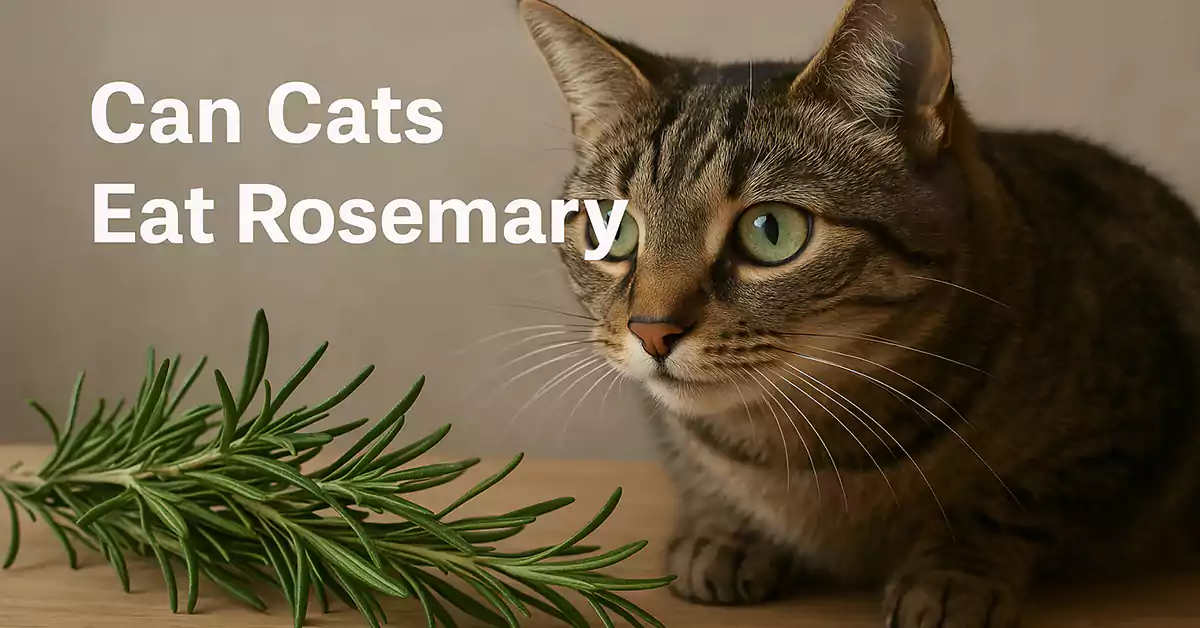
Rosemary is a fragrant, woody herb commonly used in cooking, aromatherapy, skincare, and household products. Because it has such a strong scent, many cats sniff it intensely, rub against rosemary plants, or may even try to nibble the leaves. This often leads to one important question:
Can cats eat rosemary safely?
| Feature | Cat Grass Kit | Cat Water Fountain | Cat Probiotics | Healthy Cat Treats | Interactive Cat Toy |
|---|---|---|---|---|---|
| Image |

|

|
|

|

|
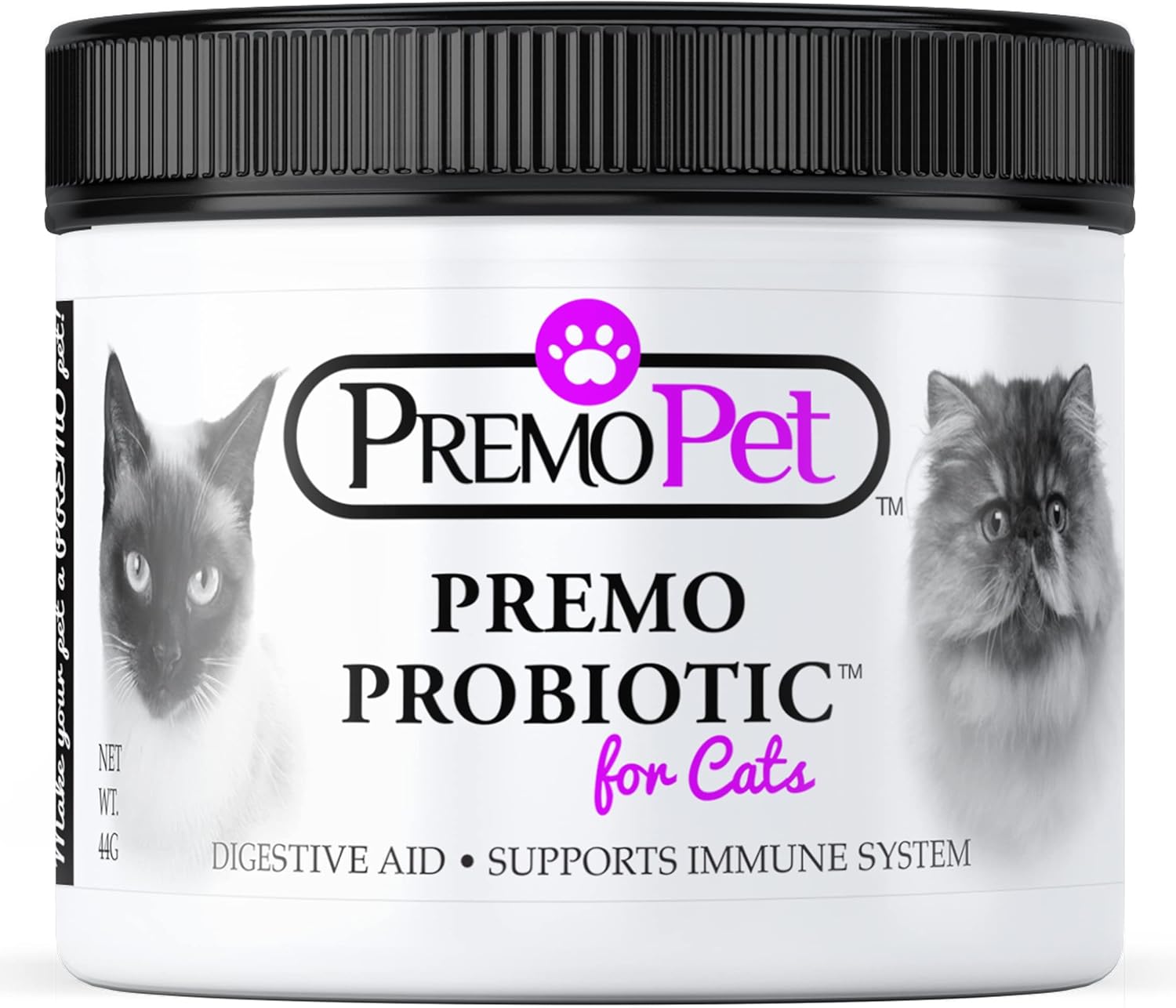
| Product Name | Cat Grass Growing Kit | Cat Water Fountain | Cat Digestive Probiotics | Healthy Cat Treats | Interactive Cat Toy |
| Best For | Indoor cats & safe grazing | Hydration & urinary health | Digestive support | Rewards & nutrition | Exercise & enrichment |
| Affiliate Potential | ⭐⭐⭐⭐☆ | ⭐⭐⭐⭐⭐ | ⭐⭐⭐⭐⭐ | ⭐⭐⭐⭐☆ | ⭐⭐⭐☆☆ |
| Why Buy? | Provides a safe alternative to outdoor grass and supports digestion. | Encourages cats to drink more water throughout the day. | Supports a healthy gut and reduces digestive discomfort. | Delicious rewards with added nutritional benefits. | Keeps indoor cats active and mentally stimulated. |
| Buy Now | Buy Now | Buy Now | Buy Now | Buy Now | Buy Now |
The short answer:
Yes — rosemary is non-toxic to cats and safe in very small amounts.
However, rosemary is a potent herb, and too much can irritate a cat’s stomach, cause mild neurological symptoms, or trigger allergic reactions. Rosemary essential oil, in particular, is dangerous for cats.
This comprehensive guide covers everything a cat owner must know, including benefits, risks, how much rosemary is safe, safe ways to feed it, and what to do if your cat overeats. A detailed FAQ section is included at the end.
Also Read: Can Cats Eat Mint? Safe vs Toxic Types Explained (Vet Guide)
Moreover, i have written a detailed guide on which herbs, plants are safe or toxic for cats, if you want to know at one place then you can read the complete guide here: Plants That Can Be Deadly for Cats: Safe and Toxic Herbs, Flowers & Houseplants
Is Rosemary Safe for Cats?
Yes. According to the ASPCA, rosemary (Rosmarinus officinalis) is non-toxic to cats.
Safe forms in tiny amounts:
- Fresh rosemary leaves
- Cooked rosemary as a very light seasoning
- Dried rosemary flakes (tiny pinch)
Unsafe forms:
- Rosemary essential oil
- Concentrated extracts
- Rosemary-infused household cleaners
- Scent diffusers with rosemary oil
Rosemary is safe, but it is a strong herb. Cats cannot process herbs the same way humans do, so moderation is essential.
Do Cats Like Rosemary?
Many cats avoid rosemary because:
- It has a very strong smell
- It contains sharp, needle-like leaves
- The intense aroma can be overwhelming
Some cats are mildly curious and may:
- Sniff the plant
- Paw at it
- Nibble the leaves
Rosemary is even used by some pet owners as a natural cat deterrent around gardens because many cats dislike the scent.
Health Benefits of Rosemary for Cats (Mild Benefits Only)
Rosemary has several properties that may offer minor benefits to cats when consumed in extremely small amounts.
1. Antioxidant Properties
Rosemary contains compounds like carnosic acid and rosmarinic acid, which have strong antioxidant effects. In tiny amounts, these may support cellular health.
2. Mild Digestive Support
A very small amount of rosemary may help with mild:
- Gas
- Bloating
- Indigestion
However, too much will do the opposite — causing irritation.
3. Antibacterial & Antifungal Properties
Rosemary has natural antimicrobial effects. Some pet-safe grooming products include rosemary to help reduce bacteria and odor (but never essential oils).
4. Natural Repellent Effect
Rosemary’s scent may help repel:
- Fleas
- Ticks
- Mosquitoes
This works mainly for plants or hydrosols — never essential oils.
Even with these benefits, rosemary is not nutritionally necessary for cats and should remain a rare herb treat.
Risks of Rosemary for Cats
Despite being non-toxic, rosemary can still cause issues if eaten in large amounts or used improperly.
1. Digestive Upset
The most common problem is stomach irritation due to rosemary’s strength and the shape of its leaves.
Symptoms include:
- Vomiting
- Diarrhea
- Gas
- Drooling
- Refusal to eat
2. Neurological Symptoms (in rare cases)
Large amounts of rosemary may affect the nervous system.
Symptoms may include:
- Dizziness
- Confusion
- Muscle twitching
- Weakness
These cases are rare but possible if a cat eats a significant amount.
3. Rosemary Essential Oil Is Toxic
Essential oils are concentrated and dangerous for cats because their liver cannot process them.
Symptoms of rosemary oil poisoning:
- Drooling
- Tremors
- Low heart rate
- Breathing difficulty
- Vomiting
- Seizures
Never diffuse rosemary oil near cats.
4. Rosemary Allergy
Some cats may be allergic to rosemary.
Signs include:
- Itchy skin
- Sneezing
- Swelling around the mouth
- Eye irritation
Stop feeding rosemary immediately if any of these occur.
5. Pesticides or Chemicals on Store-Bought Rosemary
Wash rosemary thoroughly if it comes from a store or nursery.
How Much Rosemary Can a Cat Eat?
Rosemary should be given only in very tiny quantities.
Safe serving:
- A few tiny chopped leaves
- Less than 1/8 teaspoon dried rosemary
- Light seasoning in cooked meat (minimal)
Safe frequency:
→ Once every 2–3 weeks
Rosemary should NOT be a weekly or daily herb.
How to Safely Feed Rosemary to Your Cat?
Follow these guidelines to keep rosemary safe:
1. Use only small fresh pieces
Never give whole sprigs — chop the leaves very finely.
2. Avoid essential oils entirely
Even a tiny amount of rosemary oil is dangerous.
3. Try mixing small amounts with food
Safer options include:
- Sprinkling a pinch on cooked chicken
- Adding a tiny bit to wet food
- Using as a scent enrichment herb, not a snack
4. Avoid cooked dishes containing garlic or onions
Most rosemary-seasoned foods include:
- Garlic (toxic)
- Onion (toxic)
- Salt
- Butter
- Oil
Do not give human-seasoned rosemary dishes to cats.
5. Observe your cat afterward
If your cat shows any stomach or behavior changes, avoid rosemary in the future.
Can Cats Eat Rosemary Plants Directly?
Yes, but only tiny bites.
Most cats won’t eat much because the leaves are tough and bitter.
If your cat chews a rosemary plant:
- It’s not dangerous
- The worst-case scenario is minor stomach upset
- Remove the plant if your cat repeatedly chews it
Can Cats Eat Rosemary From Roasted Chicken or Meat?
Not recommended.
Most rosemary-seasoned meats include:
- Garlic
- Oil
- Salt
- Butter
- Marinades
- Lemon
- Spices
All of which are unsafe for cats.
Stick to plain rosemary only.
Can Cats Have Rosemary Tea?
No.
Rosemary tea can be irritating and may contain caffeine depending on the blend.
Do not give herbal teas to cats unless recommended by a veterinarian
Symptoms of Rosemary Overdose in Cats
If your cat eats too much rosemary, watch for:
- Vomiting
- Diarrhea
- Tremors
- Lethargy
- Drooling
- Stiffness
- Increased heart rate
- Loss of balance
Most symptoms resolve within a day, but contact your vet if symptoms are severe or persist longer than 24 hours.
What to Do If Your Cat Eats Too Much Rosemary?
- Move the cat away from the plant
- Offer fresh water
- Monitor for vomiting or diarrhea
- If the cat ate seasoned rosemary → call a vet immediately
- If essential oil was ingested → emergency vet care is required
Most mild cases resolve with observation.
DETAILED FAQ — Cats & Rosemary
1. Is rosemary poisonous to cats?
No. Rosemary is non-toxic to cats. Essential oils are the only dangerous form.
2. Can cats eat rosemary leaves?
Yes — but only a very small amount. Large amounts may cause stomach upset.
3. Can cats have dried rosemary?
Yes. A tiny pinch is safe. Avoid blends containing garlic or onion powder.
4. Can cats eat rosemary-flavored chicken?
Usually no, because most flavored meats include unsafe seasonings.
5. Is rosemary essential oil safe for cats?
No. It is toxic and should never be ingested, applied, or diffused near cats.
6. My cat ate a lot of rosemary leaves. What should I do?
Observe for vomiting, diarrhea, or weakness. Call a vet if symptoms persist beyond 24 hours.
7. Can rosemary help repel fleas on cats?
Fresh rosemary scent may repel fleas, but oils or concentrated sprays should never be used.
8. Can kittens eat rosemary?
No. Kittens have sensitive digestive systems and should avoid all herbs
9. Why does my cat dislike rosemary?
Many cats find its strong scent overwhelming — it’s commonly used as a natural cat deterrent.
10. Can rosemary be used in homemade cat treats?
Only a very tiny amount is acceptable. Avoid essential oils or concentrated powders.
Conclusion — Should Cats Eat Rosemary?
Rosemary is safe and non-toxic for cats when consumed in very small amounts.
Most cats avoid it because of its strong aroma, but occasional nibbles are harmless. Rosemary offers mild antioxidant and antimicrobial benefits, but too much can irritate the digestive system.
The biggest danger comes from rosemary essential oil, which is toxic to cats and should never be used near them.
As long as you use plain rosemary in tiny amounts — and avoid all concentrated forms — this herb can be a safe, occasional curiosity for your cat.
| Feature | Cat Grass Kit | Cat Water Fountain | Cat Probiotics | Healthy Cat Treats | Interactive Cat Toy |
|---|---|---|---|---|---|
| Image |
|
|
|
|
|
| Product Name | Cat Grass Growing Kit | Cat Water Fountain | Cat Digestive Probiotics | Healthy Cat Treats | Interactive Cat Toy |
| Best For | Indoor cats & safe grazing | Hydration & urinary health | Digestive support | Rewards & nutrition | Exercise & enrichment |
| Affiliate Potential | ⭐⭐⭐⭐☆ | ⭐⭐⭐⭐⭐ | ⭐⭐⭐⭐⭐ | ⭐⭐⭐⭐☆ | ⭐⭐⭐☆☆ |
| Why Buy? | Provides a safe alternative to outdoor grass and supports digestion. | Encourages cats to drink more water throughout the day. | Supports a healthy gut and reduces digestive discomfort. | Delicious rewards with added nutritional benefits. | Keeps indoor cats active and mentally stimulated. |
| Buy Now | Buy Now | Buy Now | Buy Now | Buy Now | Buy Now |