
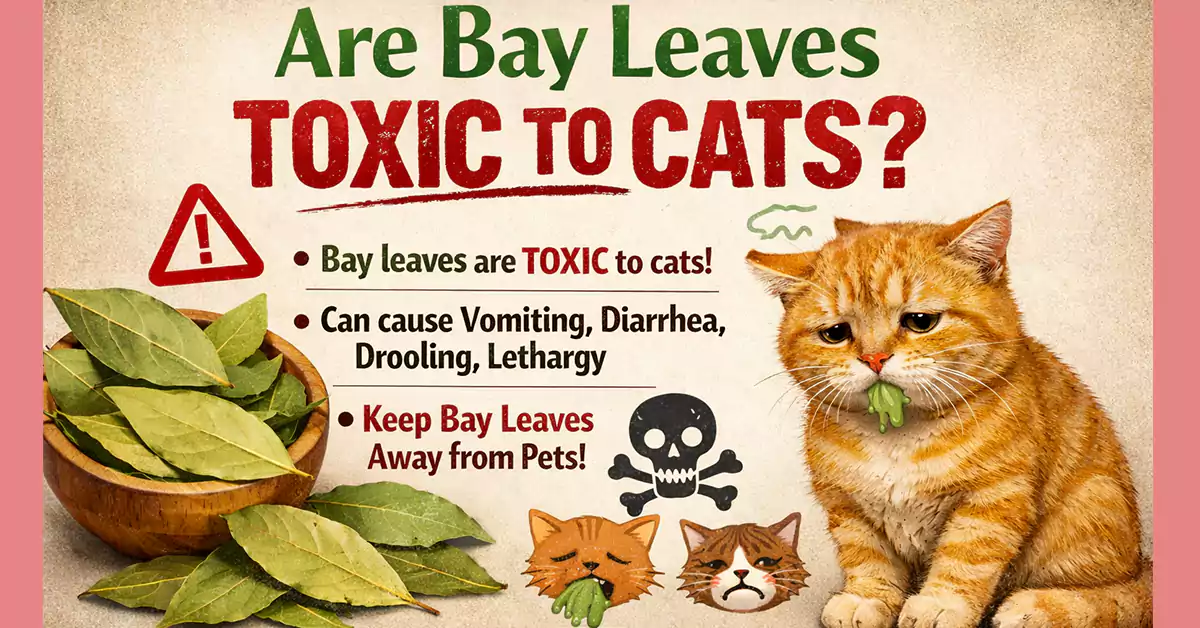
Bay leaves are a staple in kitchens around the world. They’re used in biryani, soups, stews, curries, sauces, and slow-cooked dishes for their strong aroma and flavor. If you cook at home, you’ve probably seen your cat sniffing around bay leaves or dried spice containers.
This brings up a very important question:
| Feature | Cat Grass Kit | Cat Water Fountain | Cat Probiotics | Healthy Cat Treats | Interactive Cat Toy |
|---|---|---|---|---|---|
| Image |

|

|
|

|

|
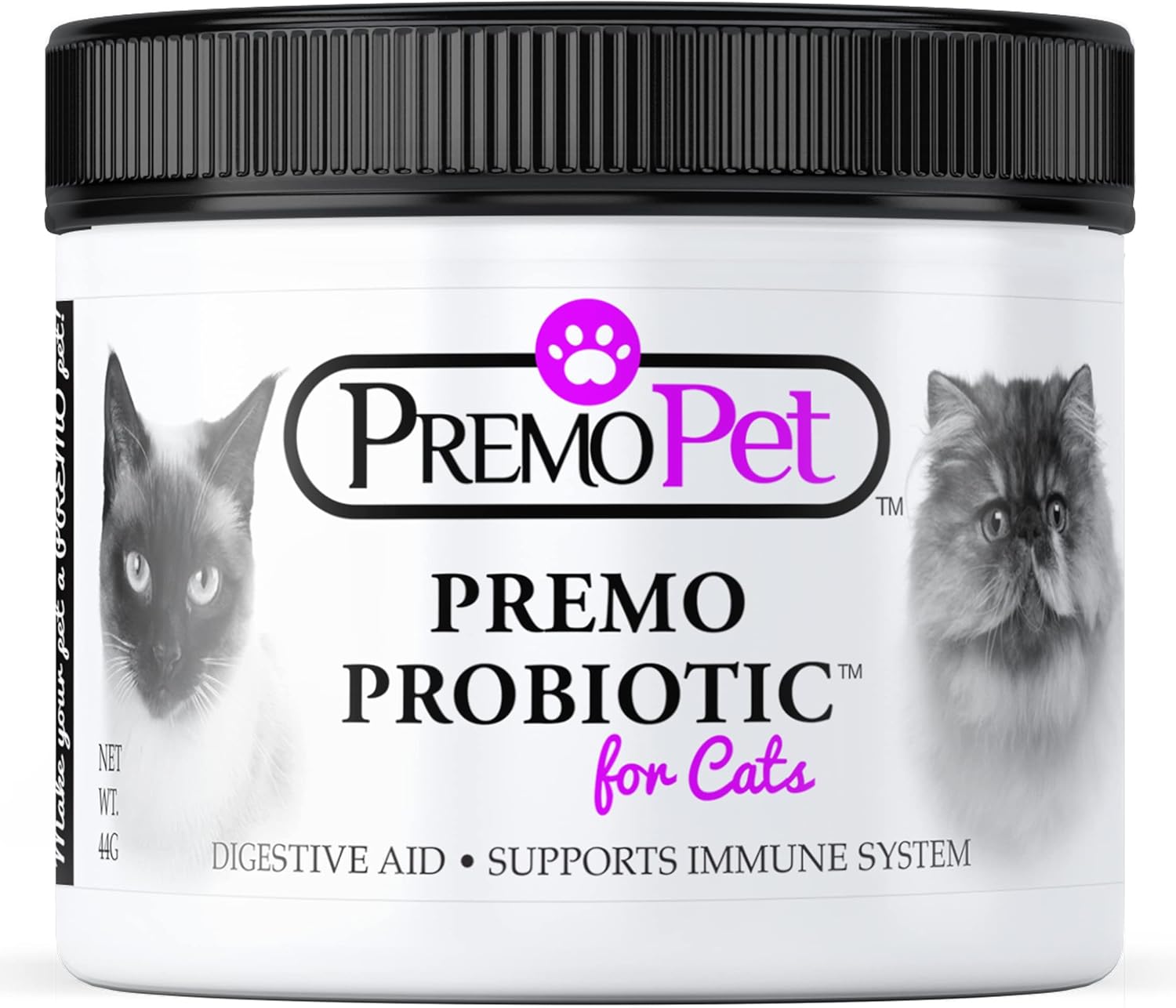
| Product Name | Cat Grass Growing Kit | Cat Water Fountain | Cat Digestive Probiotics | Healthy Cat Treats | Interactive Cat Toy |
| Best For | Indoor cats & safe grazing | Hydration & urinary health | Digestive support | Rewards & nutrition | Exercise & enrichment |
| Affiliate Potential | ⭐⭐⭐⭐☆ | ⭐⭐⭐⭐⭐ | ⭐⭐⭐⭐⭐ | ⭐⭐⭐⭐☆ | ⭐⭐⭐☆☆ |
| Why Buy? | Provides a safe alternative to outdoor grass and supports digestion. | Encourages cats to drink more water throughout the day. | Supports a healthy gut and reduces digestive discomfort. | Delicious rewards with added nutritional benefits. | Keeps indoor cats active and mentally stimulated. |
| Buy Now | Buy Now | Buy Now | Buy Now | Buy Now | Buy Now |
Can cats eat bay leaves?
NO — bay leaves are toxic to cats.
Even small amounts can cause vomiting, diarrhea, and potentially dangerous central nervous system symptoms. Bay leaf essential oil is even more toxic and should never be used near cats.
This guide explains everything cat owners need to know about bay leaf toxicity:
Is it poisonous? What happens if a cat eats one? What symptoms appear? And what should you do next?
Let’s dive into the complete vet-aware safety breakdown.
Also i have written a detailed guide on which herbs, plants are safe or toxic for cats, if you want to know at one place then you can read the complete guide here: Plants That Can Be Deadly for Cats: Safe and Toxic Herbs, Flowers & Houseplants
Are Bay Leaves Toxic to Cats?
Yes. Bay leaves (Laurus nobilis) are toxic to cats.
Both fresh and dried bay leaves contain essential oils and compounds harmful to feline digestion and the nervous system.
Bay leaves contain:
- Eugenol
- Methyl eugenol
- Cineole
- Pinene
- Terpenes
- Bitters
Cats’ livers cannot metabolize these compounds effectively, leading to toxicity.
✔ Toxic
Yes — bay leaves are toxic to cats.
✔ Safe in small amounts?
No — even small amounts can irritate the stomach.
✔ Most toxic form
Bay leaf essential oil is extremely dangerous.
Why Are Bay Leaves Toxic to Cats?
Cats lack key liver enzymes (particularly glucuronyl transferase) that help break down essential oils and plant phenols.
Bay leaves contain high concentrations of these substances.
Even dried bay leaves still contain enough toxins to cause symptoms.
When ingested, bay leaves can:
- irritate the stomach
- cause inflammation
- affect the central nervous system
- disrupt digestion
- cause of toxicity buildup in the liver
This makes them unsafe in ANY amount.
Forms of Bay Leaves & Safety Levels
Here’s a quick list of what forms are dangerous:
❌ Fresh bay leaves
Toxic if eaten or chewed.
❌ Dried bay leaves
Even more concentrated.
❌ Crushed bay leaf spice
High-risk due to concentrated essential oils.
❌ Bay leaf essential oil
Extremely toxic — never diffuse or apply near cats.
❌ Bay leaf in cooked dishes
Very dangerous because human food contains onion, garlic, salt, and spices.
⚠ Bay leaf water or tea
Unsafe — concentrated oils seep into water.
✔ Accidental sniffing?
Safe. Smelling a dry leaf is not harmful.
But eating it is dangerous.
Do Cats Like Bay Leaves?
Most cats are not attracted to bay leaves.
The strong, sharp aroma usually repels them.
However, a small number of cats may:
- chew on the leaf out of curiosity
- paw at it
- lick soup, broth, or curry containing bay leaf residue
This is where danger occurs.
What Happens if a Cat Eats a Bay Leaf?
Bay leaves can cause:
Digestive Symptoms
- Vomiting
- Diarrhea
- Drooling
- Loss of appetite
- Abdominal pain
- Gas
Central Nervous System Symptoms (moderate–severe)
- Disorientation
- Weakness
- Tremors
- Lack of coordination
Other Symptoms
- Rapid breathing
- Increased heart rate
- Lethargy
- Dehydration
Symptoms can appear within 1–6 hours of ingestion.
How Much Bay Leaf Is Toxic to Cats?
There is no safe amount.
Even:
- half of a leaf
- licking a leaf
- chewing a dried bay leaf corner
- consuming food cooked with bay leaves
- swallowing powdered bay spice
can cause toxicity symptoms.
Essential oil exposure is even more dangerous, even in tiny vapor amounts.
Why Eating a Whole Bay Leaf Is Particularly Dangerous?
Bay leaves are:
- tough
- sharp-edged
- fibrous
If a cat swallows a whole bay leaf, it can cause:
- choking
- throat irritation
- intestinal blockage
- internal abrasion
This is a mechanical hazard on top of chemical toxicity.
What To Do If Your Cat Ate a Bay Leaf?
1. Remove all bay leaves from reach
Ensure no more are eaten.
2. Identify the form eaten
Fresh? Dried? Powder? Food cooked with bay leaf?
Essential oil? Emergency.
3. Monitor for symptoms
Watch for vomiting, diarrhea, drooling, lethargy.
4. Contact your veterinarian
If symptoms appear, do not wait.
Prompt treatment is essential to prevent dehydration or toxicity progression.
5. Do NOT induce vomiting unless instructed
Inducing vomiting can worsen issues if the cat swallowed sharp, dried leaf pieces.
6. Keep the leaf sample
Show it to the vet for faster diagnosis.
Safe Alternatives to Bay Leaves for Cats
If your cat likes herbs, here are SAFE ones:
✔ Basil
✔ Parsley
✔ Cilantro
✔ Thyme
✔ Dill
✔ Catnip (best choice)
✔ Cat grass
✔ Wheatgrass
Avoid all essential oils.
Can Cats Eat Bay Leaf in Cooked Food?
No.
Food cooked with bay leaves often contains:
- onion
- garlic
- spice mixes
- salt
- oil
- masala powders
All of these are unsafe for cats.
Even if the bay leaf is removed, its oils remain in the dish.
Never let your cat lick:
- biryani
- curry
- soup
- dal
- stew
- pasta broth
- marinade
That was cooked with bay leaves.
DETAILED FAQ — Cats & Bay Leaves
Yes. Bay leaves are toxic due to their essential oil content and phenolic compounds.
No. Even small amounts can cause digestive upset and neurological symptoms.
Yes. They are even more concentrated and dangerous.
Absolutely not. The dish absorbs essential oils that are harmful to cats.
Yes. Smelling is safe. The danger comes from ingestion.
No — highly toxic.
They can cause seizures, liver damage, and respiratory problems.
Monitor immediately for vomiting or diarrhea. Powder is more concentrated and dangerous.
Yes. Tej patta also contains essential oils harmful to cats.
Yes:
Laurel bay
Indian bay leaf (tej patta)
California bay
All unsafe for cats
Yes. Symptoms can be delayed for several hours. Monitor closely.
No. Kittens are even more sensitive to toxins.
Yes — basil, parsley, catnip, thyme, rosemary (small amounts), dill, and cat grass.
Conclusion — Should Cats Eat Bay Leaves?
Bay leaves are unsafe and toxic for cats in any amount.
Both fresh and dried bay leaves contain essential oils that cats cannot metabolize. They can cause vomiting, diarrhea, neurological symptoms, and in severe cases, organ stress.
Bay leaf essential oil is especially dangerous and should NEVER be used around cats.
In short:
✔ Bay leaves = toxic
✔ Bay leaf essential oils = extremely dangerous
✔ No safe amount
✔ Avoid completely
✔ Use safe herbs instead
| Feature | Cat Grass Kit | Cat Water Fountain | Cat Probiotics | Healthy Cat Treats | Interactive Cat Toy |
|---|---|---|---|---|---|
| Image |
|
|
|
|
|
| Product Name | Cat Grass Growing Kit | Cat Water Fountain | Cat Digestive Probiotics | Healthy Cat Treats | Interactive Cat Toy |
| Best For | Indoor cats & safe grazing | Hydration & urinary health | Digestive support | Rewards & nutrition | Exercise & enrichment |
| Affiliate Potential | ⭐⭐⭐⭐☆ | ⭐⭐⭐⭐⭐ | ⭐⭐⭐⭐⭐ | ⭐⭐⭐⭐☆ | ⭐⭐⭐☆☆ |
| Why Buy? | Provides a safe alternative to outdoor grass and supports digestion. | Encourages cats to drink more water throughout the day. | Supports a healthy gut and reduces digestive discomfort. | Delicious rewards with added nutritional benefits. | Keeps indoor cats active and mentally stimulated. |
| Buy Now | Buy Now | Buy Now | Buy Now | Buy Now | Buy Now |