
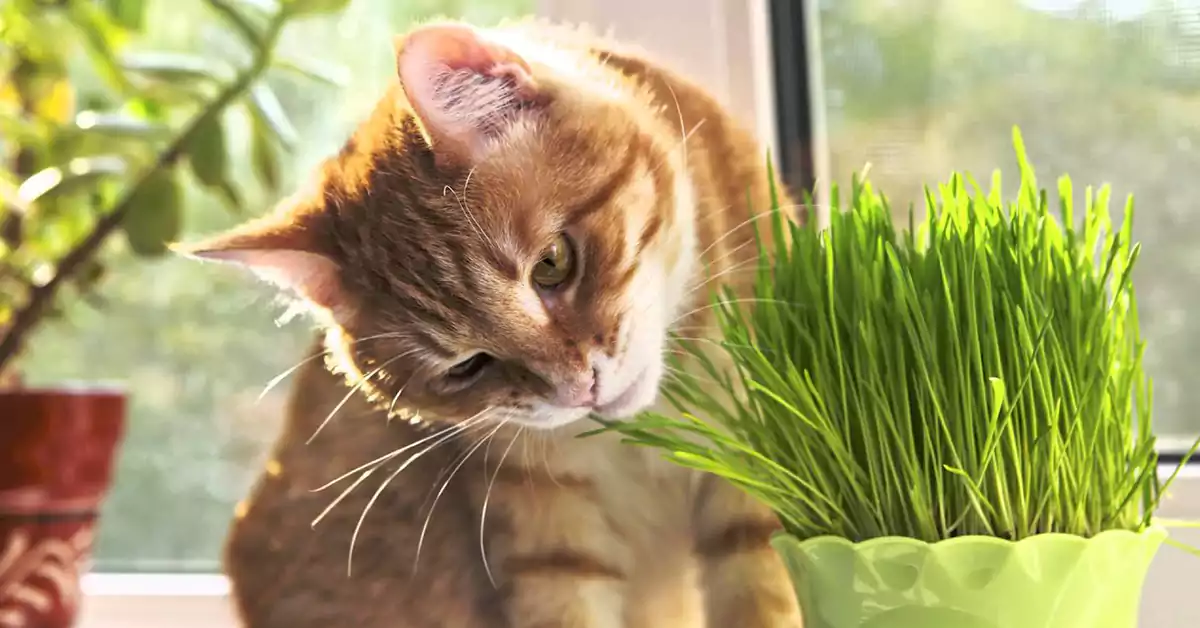
If you’ve ever placed a pot of wheatgrass near a sunny window, you may have noticed something interesting: your cat often discovers it before you do. Many cats walk right up to wheatgrass, sniff it thoroughly, and take a confident bite like it’s something they’ve been craving all week.
And this time, your cat might actually be onto something.
| Feature | Cat Grass Kit | Cat Water Fountain | Cat Probiotics | Healthy Cat Treats | Interactive Cat Toy |
|---|---|---|---|---|---|
| Image |

|

|
|

|

|
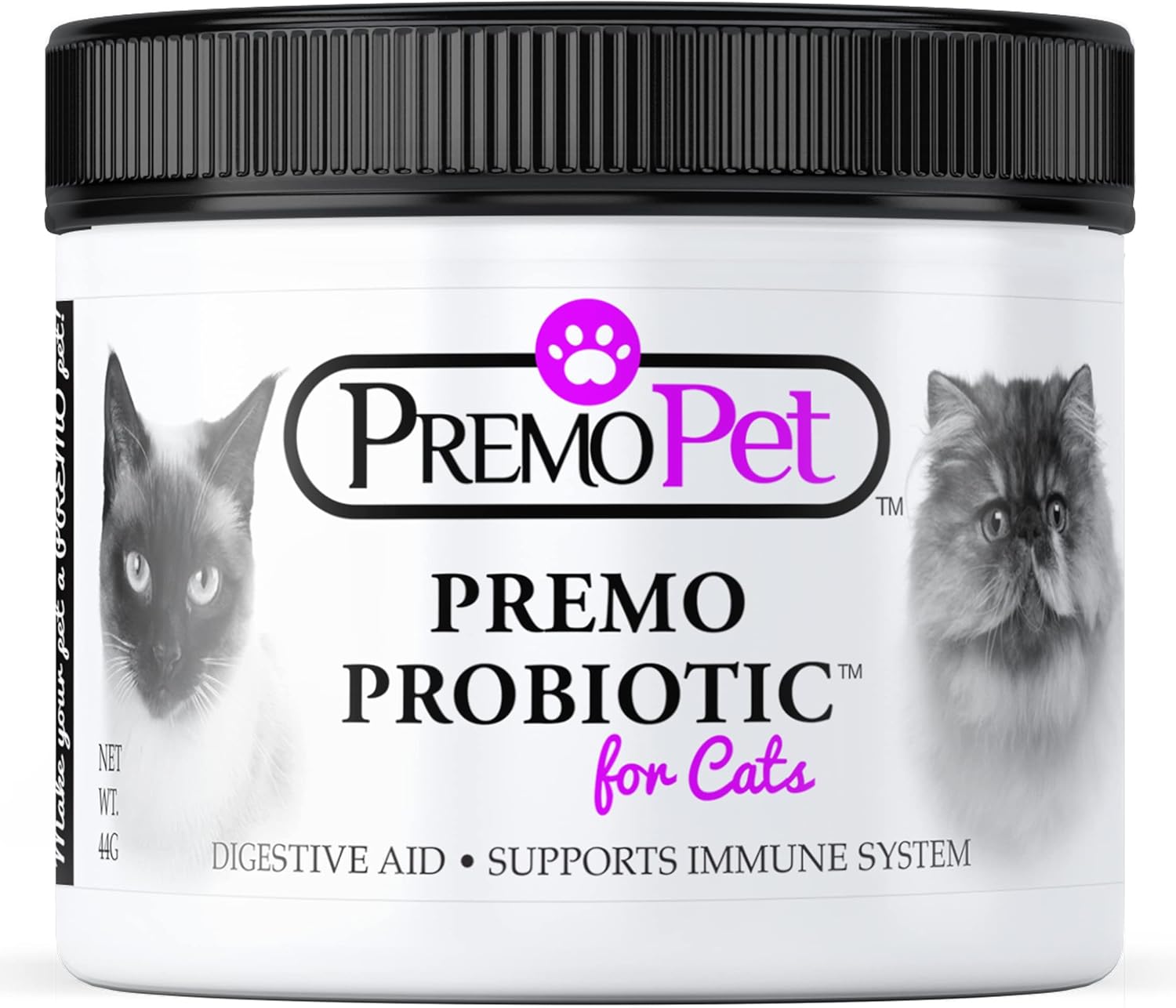
| Product Name | Cat Grass Growing Kit | Cat Water Fountain | Cat Digestive Probiotics | Healthy Cat Treats | Interactive Cat Toy |
| Best For | Indoor cats & safe grazing | Hydration & urinary health | Digestive support | Rewards & nutrition | Exercise & enrichment |
| Affiliate Potential | ⭐⭐⭐⭐☆ | ⭐⭐⭐⭐⭐ | ⭐⭐⭐⭐⭐ | ⭐⭐⭐⭐☆ | ⭐⭐⭐☆☆ |
| Why Buy? | Provides a safe alternative to outdoor grass and supports digestion. | Encourages cats to drink more water throughout the day. | Supports a healthy gut and reduces digestive discomfort. | Delicious rewards with added nutritional benefits. | Keeps indoor cats active and mentally stimulated. |
| Buy Now | Buy Now | Buy Now | Buy Now | Buy Now | Buy Now |
Unlike many houseplants we keep indoors—aloe, poinsettias, snake plants—wheatgrass is one of the few plants that is genuinely safe for cats to chew and enjoy.
In fact, cats often seek out wheatgrass for natural reasons. But safety doesn’t automatically mean “eat as much as you want,” so let’s understand what wheatgrass does for cats, how much is healthy, and the safest way to serve it.
Also Read: Is Aloe Vera Toxic to Cats? Symptoms, Risks & Safety Guide
Also, I have written a detailed guide on which herbs, plants are safe or toxic for cats, if you want to know at one place, then you can read the complete guide here: Plants That Can Be Deadly for Cats: Safe and Toxic Herbs, Flowers & Houseplants
Quick Safety Table: Wheatgrass for Cats
| Topic | Answer |
|---|---|
| Safe for cats? | Yes — non-toxic and typically beneficial. |
| Benefits? | Fiber, digestion support, hairball control, enrichment. |
| Risks? | Overeating can cause vomiting. |
| Safe amount? | 2–3 small bites at a time. |
| Best way to give? | Fresh, chemical-free wheatgrass grown indoors. |
| Avoid? | Moldy, old, yellowing, or pesticide-sprayed grass. |
So, Can Cats Eat Wheatgrass?
Yes, cats can safely eat wheatgrass. It’s one of the most common “cat grasses” sold in pet stores and is generally recommended for indoor cats who don’t have access to outdoor grasses.
Here’s why cats naturally gravitate towards wheatgrass:
- It has a fresh, grassy smell similar to outdoor lawns.
- The texture satisfies their urge to chew.
- It helps with digestion and hairballs.
- It provides enrichment, especially for indoor cats.
Unlike toxic houseplants such as aloe or snake plant (which you should avoid), wheatgrass is one of the safest greens you can introduce.
Why Do Cats Like Wheatgrass? (The Natural Reason)
People often assume cats chew plants out of boredom, but that’s not always true. Even wild cats occasionally eat grass. There are a few natural instincts behind this behavior:
1. Helps push hairballs through the digestive system
High fiber content encourages the movement of swallowed fur.
2. Provides trace nutrients
Wheatgrass contains small amounts of:
- Vitamin A
- Vitamin K
- Vitamin C
- Folate
- Chlorophyll
Cats don’t need these from plants, but small amounts don’t harm them.
3. It satisfies the urge to chew rough textures
Some cats chew plants the same way dogs chew toys.
4. Emotional and sensory enrichment
Indoor cats enjoy new textures and smells—wheatgrass gives them both.
Is Wheatgrass Good for Cats? (Benefits Explained)
Let’s break down why wheatgrass is often recommended for cats:
✔ A natural source of gentle fiber
Fiber helps:
- improve digestion
- reduce constipation
- move hairballs along
- maintain regular bowel movements
Cats who frequently vomit hairballs sometimes benefit from controlled wheatgrass access.
✔ Safe alternative to chewing toxic plants
If your cat keeps biting houseplants, offering wheatgrass reduces interest in toxic species like aloe, pothos, or poinsettia.
✔ Hydration support
Fresh wheatgrass contains water, which is especially helpful for cats that don’t drink much.
✔ Mental stimulation
Plants in the environment engage a cat’s senses, making their indoor life richer.
How Much Wheatgrass Can Cats Eat?
Even though wheatgrass is safe, more doesn’t mean better.
A good rule of thumb:
2–3 small nibbles per session
Why?
Because too much fiber can cause:
- vomiting
- loose stool
- diarrhea
- temporary stomach discomfort
Some cats will self-regulate. Others, especially kittens, may overeat if they find it exciting.
Introduce it slowly and observe how your cat handles it.
Can Wheatgrass Make Cats Vomit?
Yes — but this isn’t automatically a bad sign.
Cats often vomit right after eating grass (any type, including wheatgrass) because:
- Blades tickle the stomach lining
- Fiber stimulates a gag reflex
- Vomiting helps them get rid of hairballs
If your cat vomits occasionally after chewing wheatgrass, this is usually normal.
If vomiting continues for hours, then stop offering wheatgrass and call your vet.
How to Safely Give Wheatgrass to Your Cat?
Follow these guidelines:
1. Grow it yourself (safest).
Home-grown wheatgrass ensures:
- no pesticides
- no herbicides
- no mold
- no chemical treatment
2. Rinse before offering.
Dust or soil residue can irritate your cat’s stomach.
3. Keep it fresh.
Wheatgrass spoils quickly. Replace it if:
- It smells sour
- It looks yellow
- Soil looks moldy
- Leaves feel slimy
4. Don’t let your cat eat roots or soil.
This can cause stomach upset or diarrhea.
5. Offer tiny amounts at a time.
Allow supervised nibbling until you know your cat’s tolerance.
Is Store-Bought Wheatgrass Safe for Cats?
Yes, if it’s labeled pesticide-free.
Avoid:
- supermarket wheatgrass trays treated with chemicals
- wheatgrass grown in heavily fertilized soil
- wheatgrass sold in beauty/smoothie shops (often sprayed for freshness)
If buying from outside, choose only:
“Organic wheatgrass • Indoor-grown • Pesticide-free”
Can Kittens Eat Wheatgrass?
Kittens are more sensitive than adult cats.
You can offer wheatgrass to kittens older than 8 weeks, but:
- in tiny amounts
- with supervision
- only when the grass is fresh
If a kitten eats too much fiber, it may lead to vomiting or diarrhea.
Is Wheatgrass the Same as Cat Grass?
“Cat grass” is a general term for grasses safe for cats, which may include:
- wheatgrass
- barley grass
- rye grass
- oat grass
Wheatgrass is one of the most common types used in cat grass mixes.
Wheatgrass vs. Outdoor Grass (Which Is Safer?)
Outdoor grass:
- may have pesticides
- may have animal urine/feces
- may contain parasites
Wheatgrass is much safer because you control how it grows.
DETAILED FAQ — Cats & Wheatgrass
Yes, but keep portions small. Too much daily can cause vomiting.
Yes. Wheatgrass is a type of cat grass and works perfectly.
No. The juice is too concentrated and may upset their stomach.
Not recommended. Cats prefer chewing it fresh; mixing it into food may cause digestive issues.
Start with very small amounts. Some sensitive cats tolerate it well; others don’t.
Small nibbles are okay, but avoid juices or powdered wheatgrass supplements.
Sometimes. The fiber may help mild constipation but shouldn’t replace veterinary treatment.
Absolutely not. Mold is dangerous and can cause poisoning.
Final Verdict: Should Cats Eat Wheatgrass?
Yes — wheatgrass is one of the safest and most cat-friendly plants you can grow indoors. It’s non-toxic, helps with digestion and hairballs, and provides excellent enrichment.
Just remember:
- keep portions small
- keep the grass fresh
- avoid mold and chemicals
- supervise until you know how your cat reacts
Wheatgrass is a safe choice, especially if you want your cat to stop chewing dangerous plants like aloe, snake plants, pothos, and lilies.
| Feature | Cat Grass Kit | Cat Water Fountain | Cat Probiotics | Healthy Cat Treats | Interactive Cat Toy |
|---|---|---|---|---|---|
| Image |
|
|
|
|
|
| Product Name | Cat Grass Growing Kit | Cat Water Fountain | Cat Digestive Probiotics | Healthy Cat Treats | Interactive Cat Toy |
| Best For | Indoor cats & safe grazing | Hydration & urinary health | Digestive support | Rewards & nutrition | Exercise & enrichment |
| Affiliate Potential | ⭐⭐⭐⭐☆ | ⭐⭐⭐⭐⭐ | ⭐⭐⭐⭐⭐ | ⭐⭐⭐⭐☆ | ⭐⭐⭐☆☆ |
| Why Buy? | Provides a safe alternative to outdoor grass and supports digestion. | Encourages cats to drink more water throughout the day. | Supports a healthy gut and reduces digestive discomfort. | Delicious rewards with added nutritional benefits. | Keeps indoor cats active and mentally stimulated. |
| Buy Now | Buy Now | Buy Now | Buy Now | Buy Now | Buy Now |