
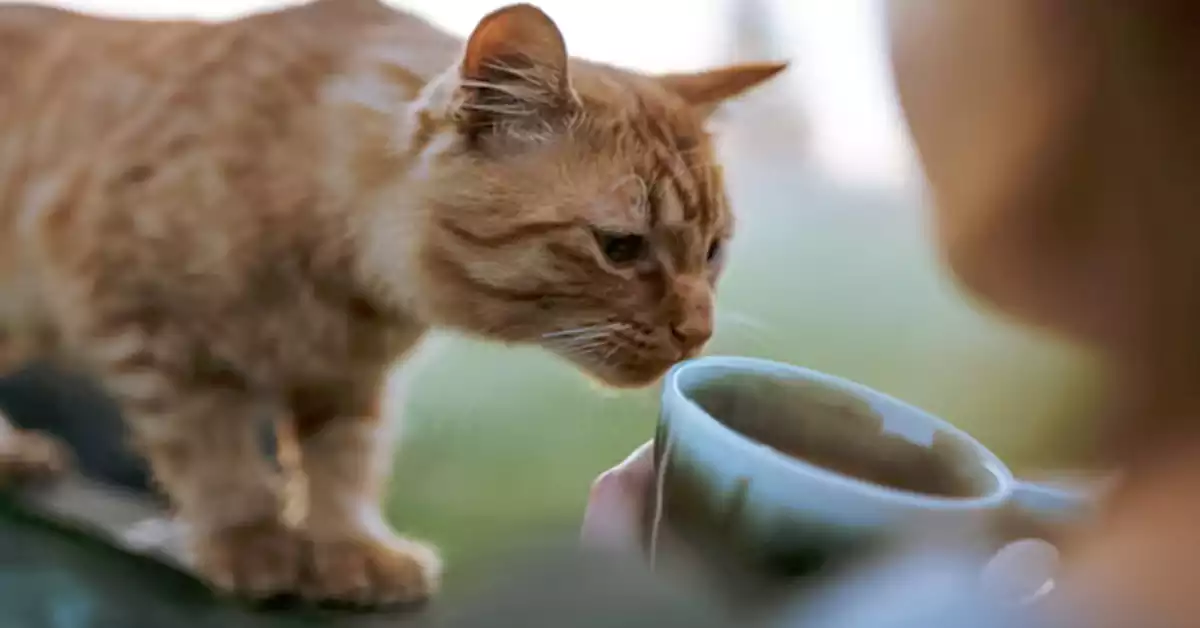
Can Cats Drink Tea?
Short answer: No — cats should not drink tea.
Whether it’s black tea, green tea, herbal tea, iced tea, milk tea, or any flavored tea, none of them are suitable for cats.
Tea contains substances like caffeine, theobromine, essential oils, and herbs that can upset a cat’s digestive system, affect their heart, and in some cases, cause toxicity.
But “tea” today doesn’t mean just one thing. People drink:
- Masala tea
- Green tea
- Lemon tea
- Herbal teas
- Ginger tea
- Chamomile tea
- Iced tea
- Bubble tea
- Milk tea / chai
So the type of tea matters — and each comes with its own risks.
This guide breaks down everything you should know, including which teas are dangerous, which herbs are mildly safe, what happens if your cat accidentally drinks tea, and healthier alternatives.
Also Read: Can Cats Drink Coconut Water? A Complete Vet-Style Guide for Cat Owners 2026
Why Tea Is Not Safe for Cats?
Cats have very sensitive bodies, especially their liver and nervous system. Tea contains multiple compounds that cats cannot process properly.
Here are the biggest concerns:
1. Caffeine (main danger)
Black tea, green tea, and white tea all contain caffeine.
Cats are extremely sensitive to caffeine — even a tiny amount can trigger:
- Restlessness
- Rapid breathing
- Vomiting
- Elevated heart rate
- High blood pressure
- Seizures (in high doses)
Even one or two licks can cause symptoms.
2. Theobromine
Like chocolate, tea leaves contain theobromine.
This can cause:
- Tremors
- Heart irregularities
- GI upset
3. Essential oils in herbal teas
Many herbal teas contain essential oils that cats cannot metabolize properly.
Unsafe herbal teas include:
- Peppermint
- Eucalyptus
- Citrus blends
- Chai spices
- Ginger in strong concentrations
- Lemongrass
- Hibiscus
These can irritate the stomach or even become toxic.
4. Sugar and flavorings
Iced teas, lemon teas, bubble teas, and milk teas contain:
- Sugar
- Syrups
- Artificial sweeteners
- Milk
- Preservatives
All of these are unhealthy for cats.
5. Temperature risks
Hot tea can burn a cat’s mouth or tongue.
Can Cats Drink Black Tea or Green Tea?
No. Absolutely not.
Both contain caffeine and theobromine — two chemicals that are extremely dangerous for cats.
Just a few sips can lead to:
- Hyperactivity
- Tremors
- Rapid heartbeat
- Vomiting
- Collapse
Keep mugs of warm tea away from curious cats.
Can Cats Drink Herbal Tea? (Important Details)
This depends heavily on the herb.
Herbs that are unsafe:
- Peppermint
- Lemongrass
- Cinnamon
- Eucalyptus
- Citrus blends
- Lavender (can be toxic)
- Hibiscus
- Chai blends (contain spices like clove, nutmeg, cardamom)
Herbal teas often contain essential oils, which cats cannot detoxify.
Herbs that may be mildly safe in tiny amounts:
These are generally safer but still not recommended as “tea”:
- Chamomile (only German chamomile; Roman chamomile is toxic)
- Catnip tea
- Valerian tea
Even these should be given only under vet guidance, as cats can react differently.
Can Cats Drink Milk Tea or Chai Tea?
No.
For two reasons:
1. Caffeine content
All masala teas and milk teas use black tea leaves.
2. Milk intolerance
Adult cats are often lactose intolerant.
This can cause:
- Bloating
- Gas
- Diarrhea
- Vomiting
3. Spices
Chai tea contains:
- Ginger
- Clove
- Cardamom
- Cinnamon
- Nutmeg
These spices may irritate a cat’s stomach
Can Cats Drink Iced Tea or Lemon Tea?
No.
Iced tea contains:
- Sugar
- Preservatives
- Caffeine
Lemon tea is even worse, because citrus is toxic to cats.
What Happens If a Cat Drinks Tea Accidentally?
If your cat licks a little tea from your cup, here’s what to do:
If it was caffeinated tea:
Watch for symptoms for 1–6 hours:
- Hyperactivity
- Vomiting
- Rapid heartbeat
- Dilated pupils
- Tremors
Even a tiny amount can be dangerous.
Call your vet immediately if symptoms appear.
If it was herbal tea:
Most small amounts are not instantly toxic, but monitor for:
- Drooling
- Diarrhea
- Vomiting
- Lethargy
If your cat drank more than a few sips of any tea — call your vet.
Why Cats Should Only Drink Water?
Cats are obligate carnivores. Their bodies evolved to hydrate primarily through food (meat) and clean water.
Tea contains:
- No nutrients cats need
- No hydration benefit
- Chemicals harmful to them
Clean, fresh water is always best.
Healthy Alternatives to Tea for Cats
If your cat tries to drink your beverages, try offering safe alternatives:
1. Cat-safe broths
- Plain chicken broth
- Bone broth (no salt/onion/garlic)
2. Catnip water
Steeping dried catnip leaves in warm water can be safe and enjoyable.
3. Tuna water
Water from unsalted tuna cans (not oil-packed).
4. Veterinary hydration supplements
Products like Purina HydraCare can help dehydrated cats.
How to Prevent Cats From Drinking Tea?
Some cats are very curious — especially when you leave your mug unattended.
Try these practical tips:
- Keep mugs out of reach
- Cover your cup with a lid
- Don’t leave tea cooling on the table
- Provide appealing alternatives like broth
- Use a spill-proof travel mug at home
Prevention is always safer than hoping they won’t sip it.
Frequently Asked Questions
No — decaf still contains caffeine traces and harmful compounds.
Only German chamomile may be safe in tiny amounts, but Roman chamomile is toxic. Best avoided unless a vet approves.
No — cats do not relax from tea. Some calming treats use chamomile or valerian root, but not as tea.
Cats copy their owners and are curious. It has nothing to do with liking tea.
Final Verdict: Can Cats Drink Tea?
No — cats should not drink tea of any kind.
Caffeinated teas, herbal teas with essential oils, milk teas, iced teas, and flavored teas all pose risks. Tea offers zero nutritional benefit and unnecessary health dangers.
If your cat accidentally drinks tea, monitor them closely and call your vet if symptoms appear.
For hydration, always choose fresh water or safe cat hydration alternatives only.