
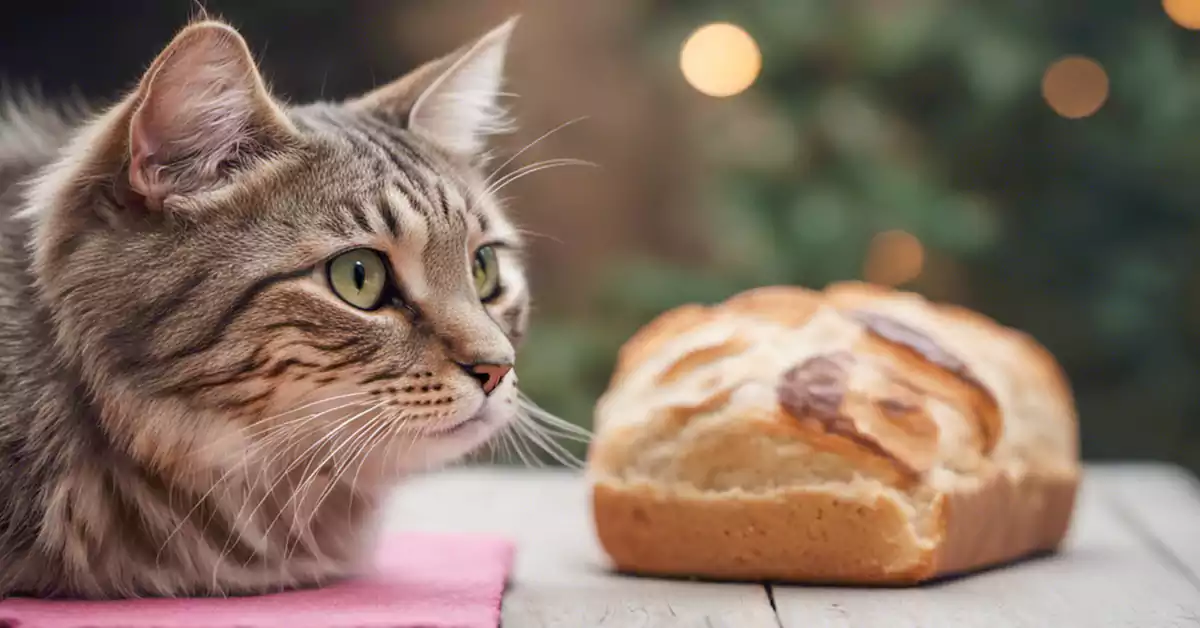
Bread is something almost every household has — toast in the morning, a sandwich in the afternoon, roti/chapati at dinner. And if you’re a cat parent, you probably know this scene:
You’re eating bread, and a little furry face pops up beside you, staring like “me too?”
So the question many cat owners ask is:
Can cats eat bread?
The short answer — yes, cats can eat plain bread occasionally, but it’s not healthy and not recommended as a regular snack. Bread has almost zero nutritional value for cats, and too much can cause weight gain, stomach upset, and even yeast-related issues.
Let’s take this slow, in detail, like a real conversation — so you know exactly when bread is okay, when it’s dangerous, and how to feed it safely.
Also Read: Can Cats Drink Hot Chocolate? A Complete Vet Approved Guide for Cat Owners 2026
Can Cats Eat Bread Safely?
Yes, small amounts of plain, fully baked bread are generally safe for healthy adult cats.
However:
- It should be only a bite-sized treat
- Not daily, not weekly — occasionally
- Never seasoned, buttered, sugary, cheesy, salty, or flavored
Cats are obligate carnivores, meaning their bodies are built to digest meat — not grains. Bread fills their stomach without providing the protein and taurine they actually need.
So while a little bite is okay, bread should never become a habit.
Why Cats Should Not Eat Bread Regularly?
Even though bread is safe in tiny amounts, it has downsides:
1. Bread Has No Required Nutrients for Cats
Cats need:
- Animal protein
- Taurine
- Amino acids
- Healthy fats
Bread has carbs instead — and cats don’t need carbs the way humans do.
2. Risk of Weight Gain & Obesity
Bread is calorie-dense.
A few bites regularly = slow weight gain over time.
3. Yeast Dough Is Dangerous
We’ll discuss this separately, but raw dough can expand inside a cat’s stomach, causing bloating and even alcohol poisoning.
4. Buttered or Topping-Loaded Bread Makes It Worse
Cats shouldn’t eat bread with:
| Unsafe topping | Why bad for cats |
|---|---|
| Butter | High fat → pancreatitis risk |
| Cheese | Lactose digestion issues |
| Jam or Jelly | Sugar → obesity + diabetes |
| Chocolate spread | Toxic |
| Garlic bread | Extremely toxic |
| Peanut butter | Too fatty, choking risk |
Plain bread only — and even that isn’t necessary.
Can Cats Eat Toast?
Again, a tiny bite is okay if plain only.
Avoid:
✘ Buttered toast
✘ Toast spread with jam, Nutella, or honey
✘ Toast with garlic or onion
Garlic & onion = highly toxic for cats
(Linked to Heinz body anemia and organ damage)
The Real Danger: Raw Dough
This one deserves special attention.
Raw bread dough (yeast dough) is dangerous.
Inside the stomach, yeast ferments → releases alcohol + expands.
This can cause:
- Severe stomach swelling
- Alcohol toxicity
- Vomiting
- Breathing difficulty
- Risk of stomach rupture
If your cat eats raw dough — emergency vet visit IMMEDIATELY.
This is not a “wait and see” situation.
Can Cats Eat Brown Bread, Wheat Bread, or Multigrain?
| Type | Safe? | Notes |
|---|---|---|
| White bread | Safe in very small amount | No nutrition benefit |
| Whole wheat bread | Slightly better | More fiber, but still unnecessary |
| Brown bread | Same story | Not harmful, not needed |
| Multigrain | Risky | May contain nuts → toxic or choking hazard |
Multigrain bread is the most risky because it may contain:
- Raisins (toxic)
- Nuts (macadamia, extremely toxic)
- Seeds (choking hazard)
When unsure → don’t feed.
Can Cats Eat Sweet Bread, Cake, or Bakery Treats?
A Simple answer is no, cats should not eat sweet bread.
Sweet baked foods contain:
- Sugar
- Chocolate
- Raisins
- Artificial flavors
- Cream
- Milk
- Butter
All of these are unsafe for cats.
And raisin breads = life-threatening toxicity.
How Often Can You Feed Your Cat Bread?
Suggested safe frequency:
✔ Once in 2–3 weeks
✔ Only 1 bite-sized piece
✔ Only as a one-off snack — not a treat routine
Cats who should not eat bread at all:
- Kittens
- Diabetic cats
- Obese cats
- Cats with pancreatitis
- Cats with food allergies
- Senior cats with digestion issues
How to Feed Bread Safely (If You Choose To)
- Choose plain, fully baked bread only
- Tear into pea-sized pieces
- No butter, cheese, jam, cream, etc
- Only give occasionally, never daily
- Monitor for upset stomach in the next 12 hours
If your cat vomits or has diarrhea — avoid it next time.
Better Alternatives to Bread
Instead of feeding bread, try healthier cat-friendly treats:
| Good Treat | Why better |
|---|---|
| Boiled chicken | High protein, easy to digest |
| Cooked fish | Tasty + natural for cats |
| Plain scrambled egg | Small amount only |
| Tuna flakes | Low calorie + tempting |
| Commercial cat treats | Made for cats’ nutrition |
Bread is just filler — proper treats can support health instead of harming it.
Quick FAQ Section
Not harmful in tiny amounts, but unhealthy overall.
No — garlic is toxic to cats.
Same rule: small piece occasionally, but not nutritious.
No — high fat → digestive issues + pancreatitis risk.
Absolutely not — medical emergency.
Final Verdict Can Cats Eat Bread?
Yes, cats can eat plain bread occasionally — but they shouldn’t.
Bread gives cats almost no nutrition and can lead to weight gain, digestive issues, or dangerous reactions if the bread contains toppings, chocolate, raisins, garlic, butter or is raw dough.
Small, plain bite = fine.
Regular feeding = harmful.
Raw dough = emergency situation.
When in doubt — skip the bread and choose a fresh protein-based snack instead.