
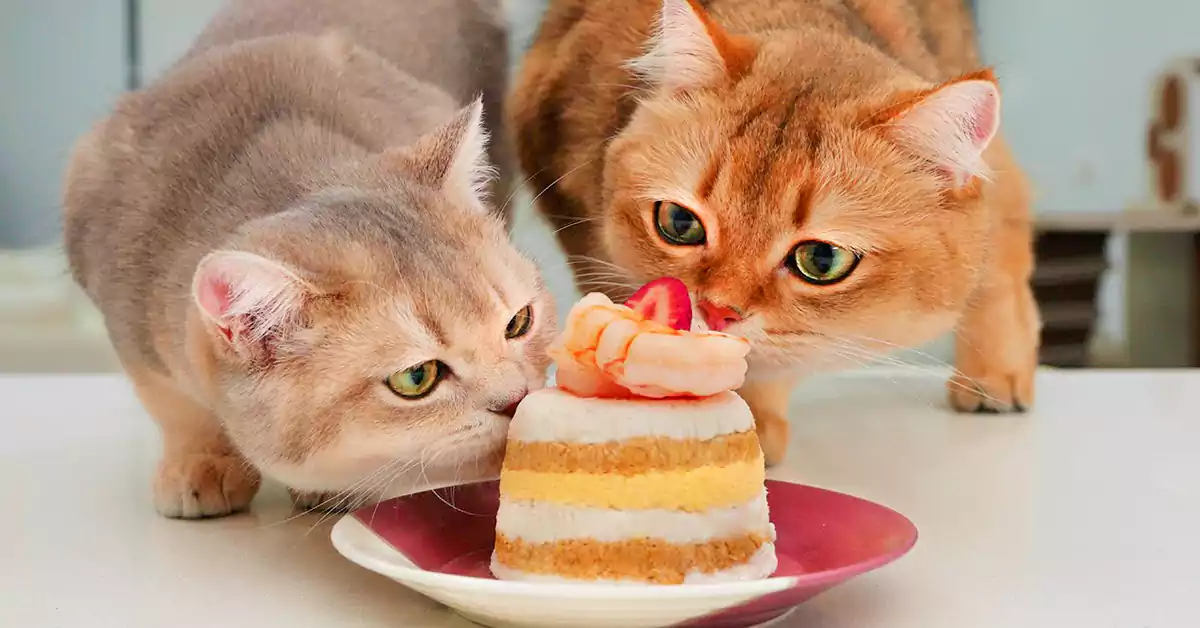
When a birthday or celebration comes around, the table fills with treats — and cake is usually the star. But while humans love this sugary delight, many pet owners find themselves wondering:
Can cats eat cake?
The simple answer is No, cats should not eat cake. A small accidental lick is usually harmless, but cake contains sugar, dairy, artificial flavors, and even dangerous ingredients like chocolate or xylitol that can harm a cat’s health. In most cases, it offers zero nutritional value and may lead to digestive problems or serious toxicity.
To help you understand clearly, let’s break down why cake isn’t safe for cats, which ingredients are risky, what to do if your cat eats cake, and what you can serve instead.
Also Read: Can Cats Eat Peanut Butter? Safety, Risks & Alternatives Explained
Why Cake Is Not Safe for Cats?
Cats are obligate carnivores, meaning their bodies are designed to digest and use nutrients from meat — not sugar or grains. Cake is the exact opposite of what a cat’s digestive system is built for.
Here’s why cake is not a good idea:
❌ 1. High Sugar Content
Cats cannot taste sweetness, and sugar overload can lead to:
- Obesity
- Diabetes
- Tooth decay
- Digestive upset
Their system simply does not process sugar the way humans do.
❌ 2. Contains Dairy
Most cakes include butter, milk, and cream — but many adult cats are lactose intolerant, meaning dairy can cause:
- Gas
- Vomiting
- Diarrhea
- Stomach pain
What tastes creamy to us can be painful for them.
❌ 3. Artificial Additives & Preservatives
Flavors, colors, cream frostings, and emulsifiers can cause allergic reactions or stomach irritation in cats.
❌ 4. Ingredients That Are Toxic to Cats
Some cakes contain extremely dangerous ingredients, including:
Toxic to cats:
| Ingredient | Danger Level |
|---|---|
| Chocolate | Highly toxic — can cause seizures or death |
| Xylitol | Deadly even in small amounts |
| Raisins / Grapes | Causes kidney failure |
| Alcohol | Poisonous — even drops can be fatal |
| Caffeine | Toxic and overstimulating |
If a cake contains any of the above, do NOT let your cat near it.
What If My Cat Already Ate Some Cake?
Don’t panic — a tiny bite without harmful ingredients is unlikely to cause long-term damage. But you should observe your cat closely.
Monitor for these symptoms:
- Vomiting or diarrhea
- Restlessness
- Weakness or trembling
- Increased heart rate
- Drooling
- Lack of appetite
If the cake contained chocolate, coffee, raisins, or xylitol:
Contact a vet immediately — even if no symptoms are visible yet.
Can Cats Eat Specific Types of Cake?
| Cake Type | Safe? | Why |
|---|---|---|
| Chocolate cake | ❌ Never | Chocolate is toxic |
| Vanilla cake | ⚠ Very small amount only | Still high sugar & dairy |
| Fruit cake | ❌ No | Raisins & sugar risky |
| Ice cream cake | ❌ No | Cold, sugary, dairy-heavy |
| Cheesecake | ❌ No | Lactose + fat overload |
| Carrot cake | ❌ Not recommended | Sugar + frosting unsafe |
| Mug cake / sponge cake | ⚠ Tiny bite only | No nutritional benefits |
Even the “safest” cake brings no health benefits — so it’s better avoided completely.
🐱 Why Cats Want Cake (Even If It’s Not Good for Them)
Cats don’t crave cake for sweetness — they follow smell and fat content. Frosting, whipped cream, and butter can attract them because of the fatty aroma. To them, cake smells like a treat — but their stomach doesn’t agree.
Safe Ways Cats Can Join Your Celebration
Instead of cake, try these cat-friendly celebration treats:
💚 Cooked chicken bits
💚 Tuna or salmon flakes (unsalted)
💚 Catnip treats
💚 Cat yogurt (lactose-free)
💚 Commercially made cat-safe birthday cake
💚 Cooked egg pieces
Or you can even bake a homemade cat cake using wet food + chicken flakes — they’ll enjoy it more than actual cake!
FAQ: Can Cats Eat Cake? Answers Every Cat Parent Needs
No. Cake is high in sugar, contains dairy, and often includes ingredients that are unhealthy or even toxic to cats. A very tiny taste might not hurt, but regular feeding is unsafe.
Your cat may experience stomach upset, vomiting, diarrhea, or lethargy. If the cake contains chocolate, xylitol, raisins, alcohol, or caffeine — contact a vet immediately.
Vanilla cake is one of the least harmful types, but still not recommended. It contains sugar and dairy, offers no nutritional value, and may still upset your cat’s stomach
Chocolate contains theobromine and caffeine, both toxic to cats. Even small amounts can cause seizures, tremors, rapid heart rate, or death. Never give chocolate cake to a cat.
No. Frosting is loaded with sugar, artificial flavors, and dairy. Cats are often lactose intolerant, so frosting can cause gas, diarrhea, and discomfort.
Yes — some pet stores sell cat-friendly birthday cakes made with safe ingredients like meat, eggs, and catnip. You can also make a homemade cat cake with cooked chicken or tuna.
Absolutely not. Kittens have even more sensitive digestive systems. Cake can make them very sick, so avoid it completely.
Seek emergency veterinary help immediately. These ingredients are toxic and can be life-threatening even in small amounts.
Final Verdict — Can Cats Eat Cake?
No — cats shouldn’t eat cake.
A tiny accidental lick is not dangerous, but cake offers no nutrition and may lead to stomach issues or toxicity depending on the ingredients. If you want to celebrate with your feline friend, go for cat-safe treats instead — healthier, safer, and far more suitable for their body.
Your cat deserves food that makes them happy and healthy — not just included for the moment.