
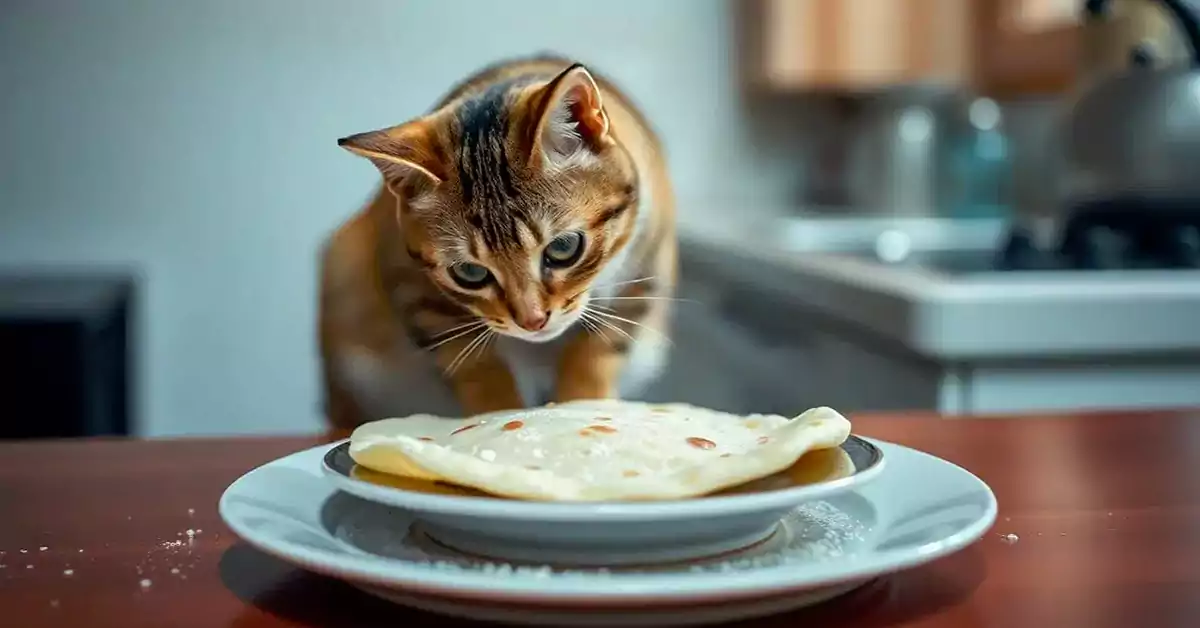
Chapati or roti is a staple food in many Indian households, and cats living with us often show curiosity when we eat.
So it’s natural to wonder:
Can cats eat chapati or roti? Is it safe to share wheat bread with them?
Short Answer:
Cats can eat a very small piece of plain chapati occasionally, but it is NOT recommended as regular food.
Roti offers no nutritional benefit to cats and may cause digestive issues, especially when made with salt, oil, butter, ghee, or whole wheat (which cats find difficult to digest).
In this guide, you will learn whether roti is safe, what problems it can cause, how much is okay, and what you should feed instead.
Also Read: Can Cats Eat Crackers? (Plain, Salted, Cheese) Full Safety Guide
Is Chapati Safe for Cats?
Chapati is not toxic, but it is also not species-appropriate food for cats.
Typical chapati ingredients:
- Wheat/atta (carbohydrates)
- Water
- Sometimes oil, salt or ghee
Cats are obligate carnivores — meaning their bodies are designed to digest meat, not grain-based foods.
So giving chapati is like filling their stomach with something they cannot use nutritionally.
One small bite occasionally is okay — but routine feeding is not.
Why Cats Should Not Eat Chapati Regularly
1. High Carbohydrates & Low Nutritional Value
Roti is almost entirely carbs, while cats need animal protein.
Feeding roti regularly may cause:
- Weight gain
- Slow metabolism
- Nutritional deficiency
- Poor muscle development
- Increased risk of diabetes
2. Cats Cannot Digest Wheat Well
Many cats struggle to break down grains and gluten, which may lead to:
- Gas
- Vomiting
- Loose stools or constipation
- Bloating
- Stomach cramps
Some cats may even have wheat intolerance, making chapati uncomfortable or painful to digest.
3. Ghee, Butter, Oil, Salt — Not Safe for Cats
Most households prepare roti with:
❌ Oil
❌ Salt
❌ Ghee
❌ Butter
Cats should avoid all of these. Excess fat can trigger pancreatitis, while salt can cause dehydration and electrolyte imbalance.
If chapati contains ghee, butter, salt or oil — do not feed it at all.
How Much Chapati is Safe for Cats?
If you want to give a small taste occasionally:
| Type of Roti | Safety Level |
|---|---|
| Plain wheat roti (small piece) | Acceptable occasionally |
| Roti with ghee/butter | Avoid |
| Salted or oiled roti | Avoid |
| Multigrain roti | Harder to digest — avoid |
| Stuffed paratha (aloo/onion etc.) | Never feed |
Safe Serving Suggestion:
👉 Maximum bite-sized pinch (pea sized) once in a while
👉 Never more than 5–10% of total diet
👉 Not for daily feeding
Chapati should never replace proper cat food.
If Your Cat Ate Roti — What Should You Do?
✔ If it was plain and in small amount:
No need to panic. Just observe your cat.
❗ If roti had ghee, salt or oil:
Watch for signs like:
- Diarrhea
- Vomiting
- Bloating
- Lethargy
- Excess thirst
If symptoms persist beyond 12–24 hours → contact a vet.
☠ If roti was stuffed (like onion/paratha):
Onion/garlic are toxic to cats. Get veterinary help immediately.
Best Alternatives to Chapati for Cats
Instead of grain-based human foods, choose treats cats can actually digest:
| Better Food | Why? |
|---|---|
| Boiled chicken pieces | Best natural protein source |
| Cooked egg (tiny amount) | High in nutrients |
| Fish (boneless, boiled) | Omega-3 rich |
| Freeze-dried chicken/meat treats | Perfect guilt-free snack |
| Vet-approved cat treats | Nutritious and safe |
These strengthen your cat — chapati does not.
FAQ Related to Can Cats Eat Chapati/ Roti
1. Can cats eat plain chapati without ghee or salt?
Yes, cats can eat a very tiny piece of plain roti occasionally, but it should not be a regular part of their diet. Plain roti is still made from wheat, which cats do not digest efficiently. Their bodies are designed for protein-rich foods, not grain.
A crumb once in a while is unlikely to cause harm, but feeding chapati regularly may lead to weight gain, digestive discomfort and lack of essential nutrients. It is safe only in micro amounts and infrequently.
2. Can kittens eat chapati?
No — kittens should not be fed roti at all.
Their digestive systems are extremely sensitive, and grain-based foods can cause stomach upset quickly. Kittens need high-protein food to develop muscles, organs and immune strength. Human foods like chapati can slow growth and cause nutritional imbalance. Stick to kitten formula or vet-recommended diets only.
3. Can cats eat roti with ghee or butter?
Avoid it. Ghee and butter are high in fat and can cause diarrhoea, vomiting and even pancreatitis in some cats. Cats do not need fatty toppings on human foods, and these ingredients may overload their digestive system. If you must share, only give tiny pieces of plain, dry roti without any added fat.
4. Why do cats like chapati if it isn’t good for them?
Cats are often curious about human food because of its smell and because they want to mimic our behaviour—not because it suits their diet. Some cats enjoy chewing soft bread-like textures, but this does not mean it’s healthy. Cats cannot taste sweetness, and what they enjoy is usually the aroma, warmth or texture rather than nutritional value
5. What happens if a cat eats chapati every day?
Regular feeding can lead to serious health issues over time:
- Weight gain
- Low muscle mass
- Nutritional deficiency
- Digestive irritation
- Risk of diabetes
Daily chapati feeding replaces real protein with empty calories. Long-term, this weakens the cat instead of nourishing it
Final Verdict: Should You Feed Chapati to Cats?
Chapati is not toxic, but it is not a suitable cat food.
Cats thrive on meat — not wheat.
❌ Not nutritious
❌ Hard to digest
❌ Risky with salt, ghee, butter
✔ Occasional tiny bite = okay
✔ Daily feeding = unhealthy
Your furry friend will always do better with protein-based snacks instead of roti.