
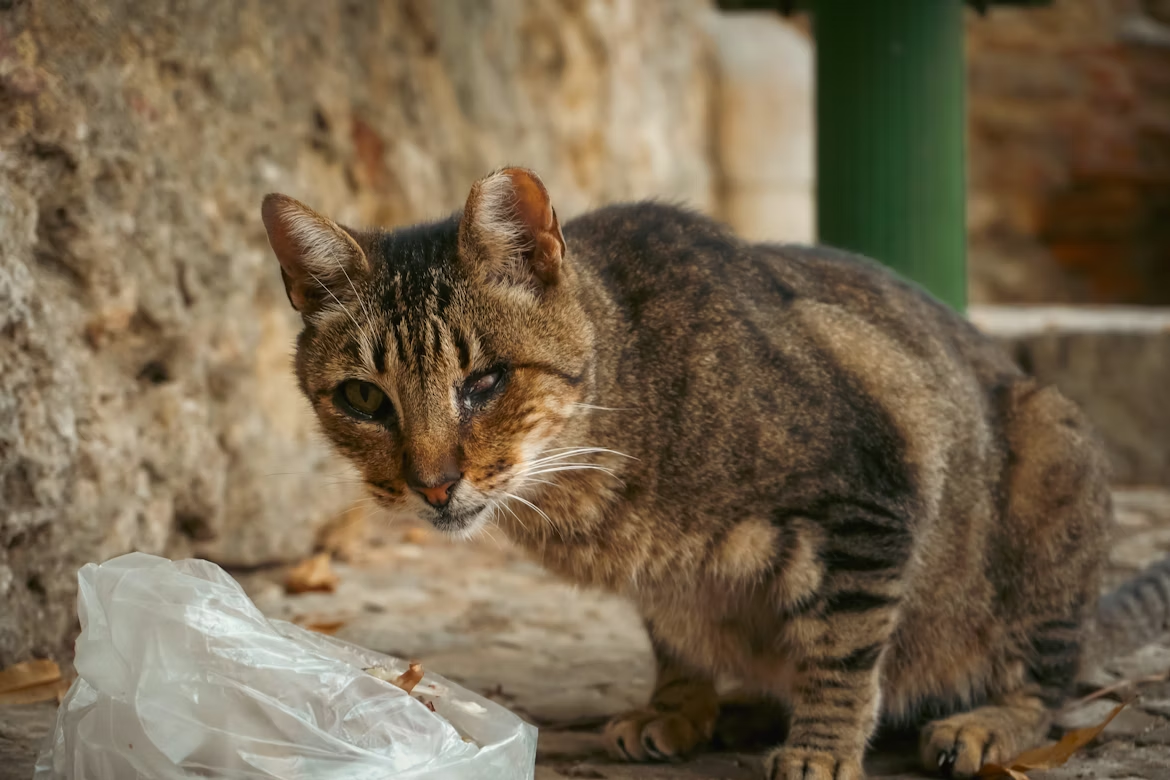
Chicken bones are one of the most dangerous food items a cat can accidentally come across in a household. We know that cats are curious creatures and they keep wandering here and there and sniffing, tasting different human foods. So it becomes the duty of the cat parent to always keep a watch on your cat what they are eating? Whether it is good for your cat or not. Even once my cat had chicken bone and it created severe health problems for her.
If you’ve ever caught your cat chewing on a bone or rushing toward leftovers, this question becomes very real:
Can cats eat chicken bones safely, or are they dangerous?
Let’s clear this completely.
Quick Answer: Can Cats Eat Chicken Bones?
No, cats should never eat chicken bones.
Both cooked and raw chicken bones pose serious risks to cats, including choking, internal injuries, and digestive blockages. Chicken bones offer no nutritional benefit that justifies these risks.
Chicken Bones Safety for Cats – Quick Overview
| Type of Chicken Bone | Safe for Cats? |
|---|---|
| Cooked chicken bones | ❌ Extremely dangerous |
| Raw chicken bones | ❌ Unsafe |
| Small chicken bones | ❌ Still risky |
| Crushed chicken bones | ❌ Not safe |
| Bone broth bones | ❌ Unsafe |
| Accidentally chewed bone | ⚠️ Monitor closely |
Why Chicken Bones Are Dangerous for Cats?
If you are thinking that Why you can’t give chicken bones to your cats then here we are sharing a few reasons why you should not give it to your cat.
1️⃣ Choking Hazard
Chicken bones are small and irregularly shaped. Cats may:
- Try to swallow them whole
- Get them stuck in the throat
- Panic while chewing
This can lead to choking, breathing difficulty, or emergency situations.
2️⃣ Sharp Bone Splinters
When chicken bones break, they splinter into sharp pieces. These splinters can:
- Cut the mouth or gums
- Damage the throat
- Puncture the stomach or intestines
Cooked bones are especially dangerous because they become brittle and break easily.
3️⃣ Internal Injuries
Sharp bone fragments can cause:
- Internal bleeding
- Intestinal tears
- Perforation of digestive organs
These injuries may not be visible immediately but can become life-threatening.
4️⃣ Digestive Blockages
Bones do not digest easily. If swallowed, they can:
- Block the intestines
- Cause severe constipation
- Lead to vomiting and abdominal pain
Blockages often require veterinary intervention.
5️⃣ No Nutritional Benefit
Chicken bones provide zero nutritional value to cats when eaten directly. Cats get calcium and minerals safely from balanced cat food, not bones.
Are Cooked Chicken Bones Worse Than Raw?
Yes. Cooked chicken bones are more dangerous than raw bones. Here are few reasons why you should not give it to your cat.
Cooked Chicken Bones:
- Brittle and sharp
- Splinter easily
- High risk of internal injury
Raw Chicken Bones:
- Slightly softer
- Still a choking and blockage risk
- Can carry bacteria
Bottom line: Neither cooked nor raw chicken bones are safe. So it is not advised to feed it your cat.
Can Cats Eat Small Chicken Bones?
No. Even small bones are dangerous.
Small bones are actually more likely to be swallowed whole, increasing the risk of:
- Choking
- Intestinal blockage
Size does not make bones safe
Can Cats Chew Chicken Bones Without Swallowing?
Some cats chew bones briefly, but this is still unsafe. Even chewing can:
- Break teeth
- Cut gums
- Create sharp fragments
There is no safe way for cats to interact with chicken bones.
What Happens If a Cat Eats Chicken Bones?
Symptoms may include:
- Gagging or coughing
- Drooling
- Vomiting
- Loss of appetite
- Lethargy
- Constipation
- Bloody stool (in severe cases)
Symptoms can appear immediately or after several hours.
What Should You Do If Your Cat Eats a Chicken Bone?
If your cat may have eaten a chicken bone:
- Do not induce vomiting
- Do not give home remedies
- Monitor closely for symptoms
- Provide access to fresh water
If you notice vomiting, lethargy, or difficulty eating, contact a veterinarian promptly.
Can Kittens Eat Chicken Bones?
Absolutely not.
Kittens are even more vulnerable because:
- Their teeth are still developing
- Their digestive system is delicate
- Bones can cause severe injury quickly
Chicken bones should never be near kittens.
Why Do Cats Try to Eat Chicken Bones?
Cats may be attracted by:
- The smell of meat
- Leftover fat or tissue
- Curiosity
This interest does not mean bones are safe or natural for them.
Are There Any Safe Bone Alternatives for Cats?
Instead of bones, offer:
- Commercial cat treats
- Vet-approved dental chews
- Freeze-dried meat treats
These provide chewing satisfaction without the risk.
Common Situations Where Cats Encounter Chicken Bones
Be especially careful during:
- Family meals
- Parties and gatherings
- Trash disposal
- Street food leftovers
- Kitchen counter access
Most accidents happen when bones are left unattended.
Frequently Asked Questions (FAQs)
Can cats eat chicken bones occasionally?
No. Even occasional exposure can be dangerous. Chicken bones—whether raw or cooked—can splinter and cause choking, internal injuries, or blockages. There is no safe amount or frequency.
What if my cat only licked or chewed the bone?
Even chewing without swallowing can cause mouth cuts, broken teeth, or gum injuries. Monitor your cat closely for drooling, pawing at the mouth, or refusal to eat.
Are raw chicken bones safer than cooked ones?
Raw bones are slightly softer, but they are still unsafe. They can splinter, cause choking, or damage the throat, stomach, or intestines.
Can cats digest chicken bones naturally?
No. Cats cannot safely digest chicken bones. While small fragments may pass, they can still scrape or puncture the digestive tract, leading to internal bleeding or infections.
Do wild cats eat bones without problems?
Wild cats eat whole prey in a natural setting, including soft bones, fur, and organs. Domestic cats are not adapted to handle loose chicken bones prepared for human consumption.
Can bone broth bones be given to cats?
No. Bones used for broth are usually cooked for long periods, making them brittle and more likely to splinter.
👉 Plain bone broth (no salt, onion, garlic, or spices) may be safe, but the bones should always be discarded.
My cat ate a chicken bone and seems fine. Should I worry?
Yes. Symptoms can be delayed. Monitor your cat for 24–48 hours. Seek veterinary help immediately if you notice vomiting, lethargy, loss of appetite, constipation, blood in stool, or pain.
What are the signs of bone-related injury in cats?
Watch out for:
- Choking or gagging
- Drooling excessively
- Vomiting or retching
- Refusing food or water
- Bloody stool or constipation
- Sudden lethargy or hiding behavior
What should I do if my cat swallows a chicken bone?
Do not try to induce vomiting or pull the bone out. Contact your vet right away and explain what was eaten and when.
Are there any bones that are safe for cats?
No bones are considered completely safe for cats. Instead, choose vet-approved treats or soft, boneless meats prepared specifically for cats.
What are safe alternatives to chicken bones for cats?
Safer options include:
- Cooked, boneless chicken (plain)
- Commercial cat treats
- Dental chews designed for cats
- High-quality wet food for chewing satisfaction
Why are chicken bones especially dangerous?
Chicken bones are thin and hollow, making them more likely to splinter compared to other bones. This increases the risk of choking and internal injury.
How can I prevent my cat from accessing bones?
- Dispose of bones securely
- Never feed table scraps with bones
- Keep trash bins covered
- Educate family members about the risks
Final Verdict: Can Cats Eat Chicken Bones?
No, cats should never eat chicken bones. Once my cat also had chicken bones and it created severe health condition to her. Therefore, we advise you to not give chicken bones to your cat as it has bad impact on your cat health.
Chicken bones are a serious choking and injury hazard and provide no nutritional benefit. Whether cooked or raw, bones can cause internal damage, blockages, or emergency situations.
As a responsible cat parent, always remove bones from your cat’s environment and dispose of them securely.