
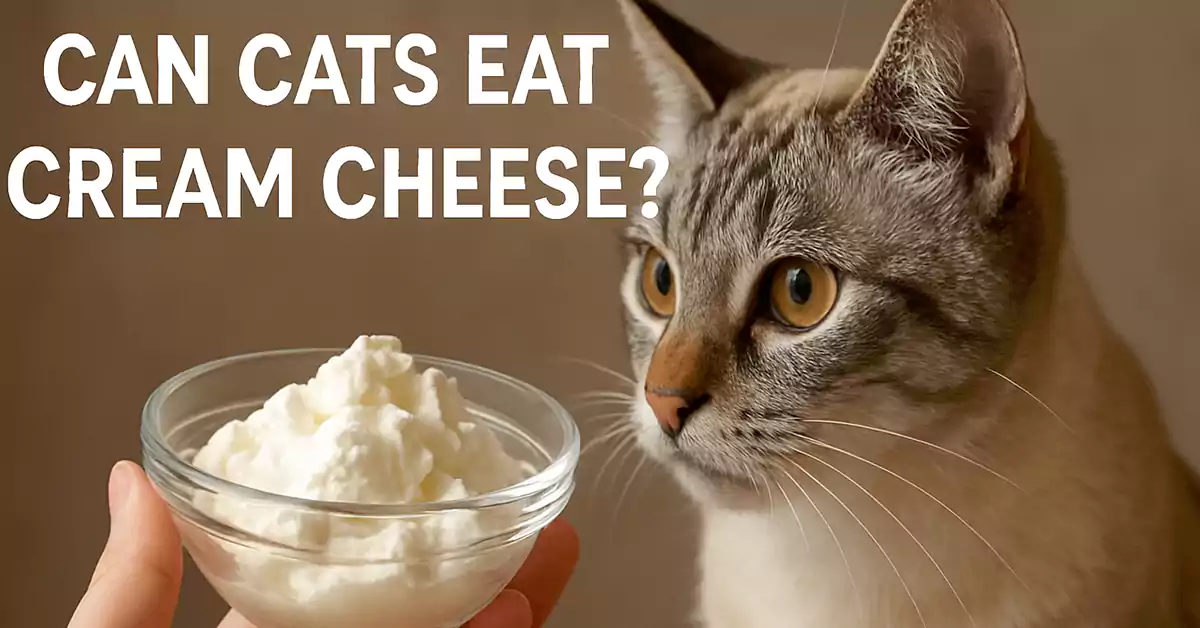
Can Cats Eat Cream Cheese?
Cream cheese is soft, creamy, and mild — so it’s natural for your cat to want a taste when you’re spreading it on a bagel or using it in desserts.
But can cats actually eat cream cheese safely?
The short answer:
Cats can eat a very tiny amount of cream cheese occasionally, but it’s not recommended and not healthy for them.
Most cats are lactose intolerant, and cream cheese is high in fat, salt, and calories. Regular consumption can lead to digestive upset, weight gain, and long-term health issues.
This detailed guide explains everything you need to know: benefits, risks, safe serving sizes, what to avoid, and healthier alternatives.
Also Read: Can Cats Eat Ghee? A Complete, Vet-Informed Guide for Cat Owners 2026
Is Cream Cheese Safe for Cats?
Cream cheese is technically safe (not toxic), but not suitable as a treat.
Why it’s not ideal:
- Contains lactose, which many cats can’t digest
- High in fat, leading to digestive issues and weight gain
- Often contains added salt, which cats don’t need
- Flavored cream cheeses may include toxic ingredients like onion or garlic
So while one tiny lick won’t harm your cat, making it a habit is unsafe.
Why can’t many cats digest Cream Cheese?
Cats lack adequate levels of lactase, the enzyme required to break down lactose found in dairy products.
When lactose isn’t digested properly, it ferments in the gut, causing:
- Gas
- Bloating
- Stomach cramps
- Diarrhea
- Vomiting
Soft cheeses like cream cheese contain more lactose than aged cheeses, making them harder for cats to digest.
Nutritional Profile of Cream Cheese (For Humans vs. Cats)
Cream cheese contains:
- High fat
- Protein
- Calcium
- Sodium
- Lactose
- Carbohydrates
For humans, this can be a tasty addition to food.
For cats, these nutrients do not align with their dietary needs.
Cats thrive on animal protein and moisture, not dairy or fatty spreads.
Potential Benefits of Cream Cheese for Cats
Although not recommended, cream cheese may offer very limited benefits:
1. Helps hide medication
Some cat owners use a tiny amount of cream cheese to disguise pills.
This works as long as the amount is extremely small and used rarely.
2. High fat gives quick energy
Fat provides energy, but it’s the wrong kind for cats and can cause more harm than good.
3. Appealing texture
Its softness can make it easy for cats to lick, but that also makes overfeeding a risk.
These benefits do not outweigh the drawbacks.
Risks of Feeding Cream Cheese to Cats
There are real risks associated with giving cream cheese to cats.
1. Digestive Upset
Lactose + fat = stomach trouble.
Most cats will experience:
- Gas
- Diarrhea
- Vomiting
- Discomfort
Even a small amount may cause issues in sensitive cats.
2. Obesity and Weight Gain
Cream cheese is high in calories and fat.
Regular consumption increases risk of:
- Obesity
- Diabetes
- Joint stress
- Heart issues
Indoor cats are especially vulnerable because they move less.
3. High Sodium
Salt is unnecessary and harmful for cats.
Too much salt can cause:
- Excessive thirst
- Dehydration
- Kidney strain
Cream cheese often contains more salt than you realize.
4. Toxic Additives
Flavored cream cheeses may contain:
- Onion powder (toxic)
- Garlic powder (toxic)
- Chives (toxic)
- Herbs
- Sugar
- Artificial flavorings
Even tiny amounts of onion or garlic can damage a cat’s red blood cells.
5. Pancreatitis Trigger
High-fat foods can trigger pancreatitis, a serious and painful condition.
Symptoms include:
- Vomiting
- Lethargy
- Abdominal pain
- Loss of appetite
Veterinary treatment is required.
How Much Cream Cheese Can Cats Eat?
If your cat accidentally licks a tiny amount, don’t worry.
But if you want to intentionally offer some, stick to:
Safe Serving Size:
- ½ teaspoon maximum
- No more than once every few weeks
- Must be plain, not flavored
- Should be room temperature
Unsafe Amount:
- 1 tablespoon or more
- Daily treats
- Flavored varieties
- Cream cheese mixed with human desserts
Moderation is essential — or better yet, avoid it altogether.
How to Feed Cream Cheese to Cats Safely?
If you choose to allow it (rarely):
1. Use only plain cream cheese
No herbs, no sugar, no flavoring, no seasoning.
2. Avoid cold cream cheese
Cold dairy is harder to digest.
3. Give very tiny amounts
A pea-sized amount is ideal.
4. Watch for symptoms
Stop immediately if your cat experiences:
- Soft stool
- Vomiting
- Gas
- Discomfort
5. Never use cream cheese as a regular treat
This can lead to dangerous health issues over time.
Can Kittens Eat Cream Cheese?
No — absolutely not.
Kittens have extremely sensitive digestive systems and cannot handle:
- Lactose
- High fat
- Salt
Even a tiny amount can cause severe diarrhea, dehydration, or vomiting in kittens.
Can Cats Eat Flavored Cream Cheese?
Avoid all flavored varieties.
Flavors that are dangerous or toxic:
- Garlic cream cheese
- Onion and chive
- Herb blends
- Veggie mixes (often contain onion pieces)
Even “sweet” flavors like strawberry cream cheese contain sugar, preservatives, or artificial flavor that cats should never eat.
Does Cream Cheese Cause Allergies in Cats?
Some cats may develop:
- Itching
- Ear infections
- Skin rashes
- GI issues
These symptoms may indicate a dairy intolerance or allergy.
Healthier Alternatives to Cream Cheese
If you want to treat your cat, choose safer options:
Protein-based treats
- Small pieces of cooked chicken
- Freeze-dried salmon
- Tuna flakes (unsalted)
- Plain boiled egg (tiny portion)
Cat-safe dairy alternatives
- Lactose-free cat milk
- Cat yogurt treats (formulated for felines)
Digestive-friendly options
- Pumpkin puree (plain)
- Commercial cat treats
These options align better with feline nutrition.
Frequently Asked Questions
Not toxic, but not healthy.
It can cause digestive upset and long-term health issues.
No. Cheesecake contains sugar, dairy, and sometimes chocolate — all unsafe for cats.
Bagels are high in carbs and cream cheese contains lactose and fat — not suitable for cats.
Yes, but use very small amounts and only occasionally.
Final Verdict: Can Cats Eat Cream Cheese?
Yes, cats can eat a tiny lick of plain cream cheese once in a while — but they shouldn’t make a habit of it.
Cream cheese is:
- High in fat
- High in salt
- Difficult for cats to digest
- Risky if flavored
- Not nutritious for felines
If you want to treat your cat, choose healthier, cat-appropriate alternatives.
Save the cream cheese for yourself — your cat’s stomach will thank you.