
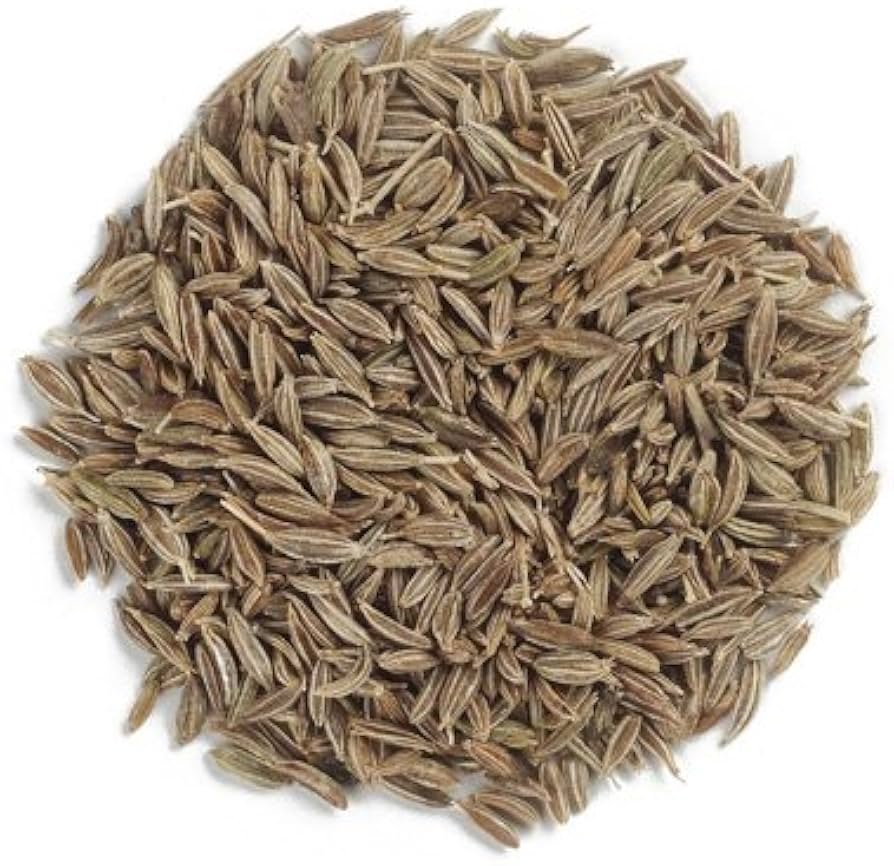
Cumin or jeera is a very commonly used spice in Indian households, just like garam masala. Cumin has several excellent health benefits for human beings. Therefore, it is being massively used to prepare food not only in India but across the world. The fragrance of cumin can elevate the taste of your food. The regular consumption of cumin (jeera) can promote weight loss, improve digestion by stimulating enzymes, and keep blood pressure in check.
Although it has several health benefits for human beings, whether it offers the same health benefits for your cat is an important question. As a cat parent like me, you should be asking this question to yourself:
Can I give cumin (jeera) to my cat?
Is it safe to feed cumin to my cat?
So, you are not alone, very cat parent goes through these questions before feeding anything apart from cat-specific food. As our cats have become immensely curious, they want to try everything, so I know it becomes a daunting task to keep your cat away from human food. However, it is our duty as cat parents to know what is good and bad for our cats.
So in this post, I will particularly talk about whether cumin is safe for your cat or not. Keep scrolling and find out whether jeera is safe for your cat or not.
Quick Answer: Can Cats Eat Cumin (Jeera)?
No, cats should not eat cumin (jeera).
Cumin is not toxic, but it is not safe or suitable for cats. Even small amounts can irritate a cat’s digestive system and cause stomach discomfort. Cats do not gain any health benefit from cumin or any other spice.
Cumin (Jeera) Safety for Cats – Quick Overview
| Aspect | Is It Safe for Cats? |
|---|---|
| Cumin seeds (jeera) | ❌ Not recommended |
| Cumin powder | ❌ Not suitable |
| Cooked food with cumin | ❌ Avoid |
| Jeera water | ❌ Unsafe |
| Accidental lick | ⚠️ Monitor closely |
| Digestive benefits for cats | ❌ None proven |
What Is Cumin (Jeera)?
Cumin comes from the dried seeds of the Cuminum cyminum plant. In Indian cooking, cumin is used in several forms:
- Whole cumin seeds in tadka
- Roasted cumin powder
- Jeera rice
- Jeera water (for humans)
For humans, cumin is known to help digestion and reduce gas. However, a cat’s digestive system works very differently from a human’s.
Why Cumin (Jeera) Is Not Safe for Cats?
1️⃣ Cats Cannot Digest Spices Properly
Cats are obligate carnivores, which means their bodies are designed to digest:
- Animal protein
- Meat-based fats
Spices like cumin can irritate a cat’s stomach and intestines, leading to:
- Nausea
- Vomiting
- Diarrhea
- Abdominal discomfort
What feels “light” to humans can be harsh for a cat’s digestive system.
2️⃣ Strong Essential Oils Can Irritate the Gut
Cumin contains essential oils such as cuminaldehyde, which give it its strong aroma and flavor. These compounds may:
- Irritate the stomach lining
- Trigger digestive upset
- Cause drooling or nausea in cats
Cats are much more sensitive to plant-based compounds than humans.
3️⃣ Cumin Is Usually Cooked With Oil, Salt & Other Spices
Cumin is rarely consumed alone. It is often combined with:
- Oil or ghee
- Salt
- Turmeric
- Red chilli powder
- Onion and garlic
This combination makes cumin-containing food such as cumin and coriander mixture is even more unsafe for cats, especially because onion and garlic are toxic to them.
4️⃣ No Proven Health Benefit for Cats
Although cumin is considered good for digestion in humans, there is no scientific evidence that cumin offers any health benefit to cats.
Cats already receive all necessary nutrients from a balanced, species-appropriate diet. Adding spices does not improve their digestion or immunity.
Can Cats Eat a Small Amount of Cumin?
No.
There is no safe recommended amount of cumin for cats. Even a small quantity can upset their stomach. Giving cumin intentionally is not advised.
An accidental lick may not always cause serious harm, but repeated exposure increases risk.
Is Cumin Powder Worse Than Whole Cumin Seeds?
Yes.
- Cumin powder is more concentrated
- It sticks easily to food
- Cats may ingest more than expected
Both forms are unsafe, but powdered cumin poses a higher risk of irritation.
Can Cats Drink Jeera Water?
No.
Jeera water is often given to humans for digestion, but it is not safe for cats. It contains cumin compounds that can irritate a cat’s stomach and may cause vomiting or diarrhea.
Can Cats Lick Food Containing Cumin?
It’s best to avoid this completely.
Even licking food exposes cats to:
- Spice residue
- Oil or ghee
- Salt
This can lead to:
- Upset stomach
- Drooling
- Loose stools
If your cat has licked cumin-seasoned food, keep an eye on them.
Why Do Cats Show Interest in Jeera-Flavored Food?
Cats are not attracted to cumin itself. They are usually drawn by:
- Warm food smells
- Oil or ghee aroma
- Meat or butter mixed into the dish
Curiosity does not mean the food is safe.
Can Kittens Eat Cumin (Jeera)?
Absolutely not.
Kittens have extremely delicate digestive systems. Exposure to spices like cumin can quickly cause:
- Diarrhea
- Dehydration
- Weakness
Spices should be kept completely away from kittens.
What Happens If a Cat Eats Cumin?
Symptoms may appear within a few hours and include:
- Vomiting
- Diarrhea
- Drooling
- Loss of appetite
- Lethargy
If cumin was consumed along with onion or garlic, the situation can be more serious.
What Should You Do If Your Cat Eats Cumin?
- Remove access to the food immediately
- Offer fresh drinking water
- Monitor your cat for 24 hours
- Contact a veterinarian if symptoms appear or worsen
Do not give home remedies unless advised by a vet.
Are Any Spices Safe for Cats?
In general, cats do not need spices at all. Even spices considered healthy for humans provide no benefit to cats and often cause irritation.
A simple rule to remember:
If it’s seasoned, it’s not for your cat.
Safer Alternatives for Cats
If your cat is curious about human food, offer:
- Plain boiled chicken (no salt, no spices)
- Plain cooked fish (boneless and unseasoned)
- Commercial cat treats
- Vet-approved cat food
These are safe and nutritionally appropriate options.
Frequently Asked Questions (FAQs)
Here i have listed down all common questions that can arise in your mind related to cumin whether it is safe for your cat or not. You can check it out
Can cats eat cumin occasionally?
No. Even occasional exposure to cumin can cause digestive upset in cats. Their digestive system is sensitive, and spices can irritate the stomach lining. There is no benefit that justifies giving cumin to cats.
Is cumin toxic to cats?
Cumin is not toxic, but non-toxic does not mean safe. It can still cause vomiting, diarrhea, and stomach discomfort.
Can cumin help cats with digestion?
No. Digestive benefits of cumin apply to humans, not cats. Cats process food differently, and spices do not aid their digestion.
Is cumin safer than garam masala for cats?
Cumin alone is still unsafe. Garam masala is worse because it contains multiple spices, but “less harmful” does not mean “safe.” Both should be avoided.
What if my cat licked jeera rice or dal?
If your cat licks dal chawal with jeera in it. Remove access to the food and offer water. Monitor your cat for 24 hours for symptoms such as vomiting or diarrhea. Contact a veterinarian if symptoms persist.
Can kittens eat cumin?
No. Kittens should never be exposed to spices. Even a small amount can cause digestive distress and dehydration.
Why do people think cumin is safe for cats?
Because cumin is widely used as a digestive aid in humans, many pet parents assume it must be safe for pets as well. This is a misconception. Human-safe foods are not automatically pet-safe.
Final Verdict: Can Cats Eat Cumin (Jeera)?
No, cats should not eat cumin (jeera).
While cumin is a staple spice in Indian cooking and considered healthy for humans, it is unnecessary and potentially irritating for cats. Many Indian foods contain spices and ingredients that are unsafe for cats, which is why pet parents should be careful with human food. As a responsible pet parent, the safest choice is to keep cumin and all spice-seasoned foods away from your cat and stick to a plain, cat-appropriate diet recommended by a veterinian