
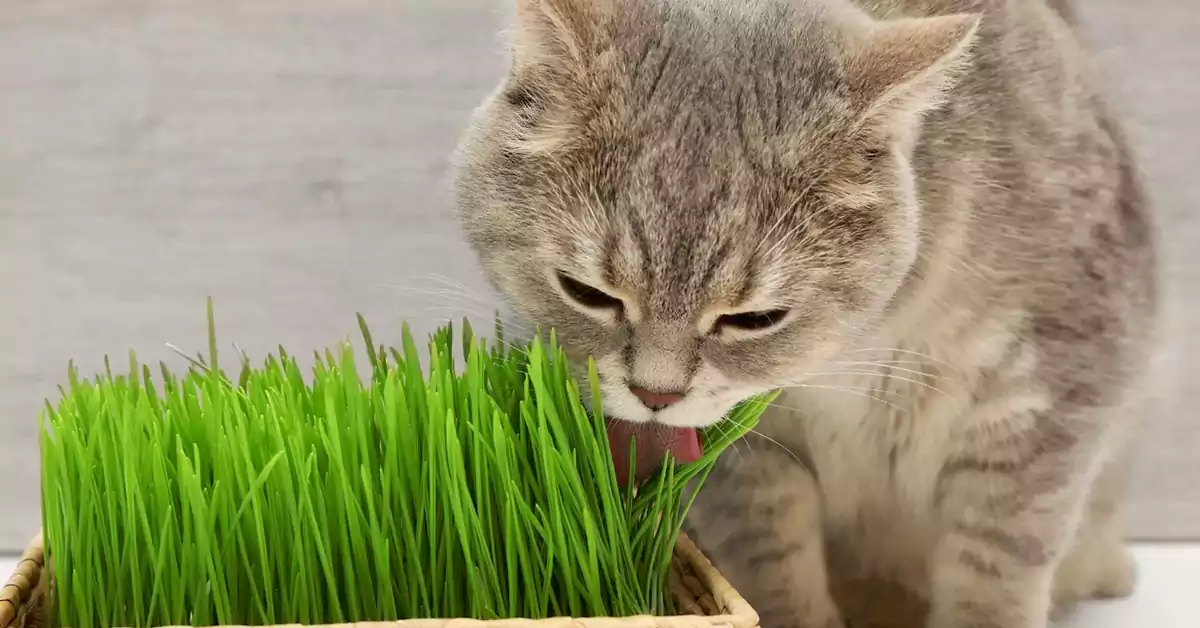
If you’ve ever seen your cat chew on grass—either the lawn outdoors or a pot of indoor cat grass—you’ve probably wondered whether it’s normal or safe. Many cat owners panic the first time they catch their feline nibbling on greenery, assuming it means their cat is sick, lacking nutrients, or about to throw up.
The truth is much simpler:
Yes, cats can eat cat grass — and for most cats, it’s not only safe but actually beneficial when offered properly.
Cat grass isn’t just a fad sold in cute pots at pet stores. It serves very real biological and emotional purposes for indoor cats. In this guide, you’ll learn why cats eat grass, w
hether it’s healthy, how much they should have, and how to grow it safely at home.
Let’s break it down with a clear, evidence-based explanation.
Also Read:
Can Cats Eat Catnip? Effects, Safety, Benefits & How Much to Give
Can Cats Eat Wheatgrass Safely? Benefits, Risks & How Much Is Actually OK
Is Aloe Vera Toxic to Cats? What Happens If They Eat It (Real Risks Explained)
Moreover, I have written a detailed guide on which herbs, plants are safe or toxic for cats, if you want to know at one place, then you can read the complete guide here: Plants That Can Be Deadly for Cats: Safe and Toxic Herbs, Flowers & Houseplants.
Quick Safety Table: Cat Grass for Cats
| Question | Answer |
|---|---|
| Can cats eat cat grass? | Yes — safe and healthy. |
| Is it toxic? | No. Cat grass varieties are non-toxic. |
| Why do cats eat it? | Digestion, hairball relief, instinct, boredom. |
| Best types of cat grass? | Oat grass, barley grass, wheatgrass, ryegrass. |
| How much is safe? | A few nibbles daily or a small tuft. |
| Can it cause vomiting? | Yes — grass can trigger hairball expulsion. |
| Can kittens eat it? | Yes, in small amounts. |
| How often? | Keep available but monitor over-eating. |
What Exactly Is Cat Grass?
Cat grass is not a single plant. It’s usually a mix of young, fresh cereal grasses such as:
- Oat grass (Avena sativa)
- Wheatgrass
- Barley grass
- Ryegrass
These grasses are non-toxic, soft, safe to nibble, and easy to grow indoors. Cat grass is not the same as lawn grass, which may contain pesticides, fertilizers, or harmful plants mixed in.
Cat grass is grown specifically for pet consumption — no chemicals, no additives, just tender green shoots.
So, Can Cats Eat Cat Grass?
Yes, absolutely.
Cats can safely eat cat grass, and many cats benefit from it.
Even though cats are obligate carnivores and don’t need plants for nutrition, grass plays a surprising role in feline biology. Chewing grass isn’t a random quirk — it’s deeply instinctive. Outdoor cats eat grass often, and indoor cats follow the same natural behavior.
Cat grass is essentially a safe, controlled alternative to outdoor grass, which may contain:
- pesticides
- parasites
- toxic weeds
- lawn fertilizers
- sharp blades that can irritate the stomach
Indoor cat grass eliminates all these risks.
Why Do Cats Eat Cat Grass? (5 Real Reasons)
Cats eat grass for several natural reasons — some biological, others behavioral.
Let’s break down the most common ones.
1. Grass Helps Cats Expel Hairballs
When cats groom themselves, they swallow a lot of loose fur. Over time, that fur collects in the stomach and forms hairballs.
Grass contains natural fibers that help move hair through the digestive system. Sometimes, grass triggers vomiting — this is normal. Cats instinctively use grass as a natural digestive aid.
Think of it as their version of self-care.
2. It Aids Digestion
The fiber in cat grass supports:
- smoother bowel movements
- reduced constipation
- improved gut motility
- balanced digestion in indoor cats
Cats that eat mostly dry food often benefit from small amounts of natural plant fiber.
3. It Helps Reduce Stress & Boredom
Chewing grass is soothing for many cats.
It provides:
- sensory enrichment
- a change in texture
- a calming chewing activity
- mild mental stimulation
Indoor cats who feel bored or restless frequently take an interest in cat grass.
4. It Satisfies Natural Hunting & Foraging Instincts
In the wild, cats often consume plant matter from the stomachs of prey animals. Grass chewing helps mimic a tiny part of this natural behavior.
Cat grass gives indoor cats:
- a foraging experience
- something to “hunt” and bite
- a link to their wild instincts
Sometimes cats simply enjoy the feeling of shredding blades with their teeth.
5. Cats May Seek Certain Nutrients
Cat grass contains small amounts of:
- chlorophyll
- vitamins A & D
- folic acid
- digestive enzymes
These nutrients aren’t essential for cats (since they’re carnivores), but occasional supplementation may give them a wellness boost.
Is Cat Grass Safe for Cats?
✔ Yes — cat grass is non-toxic.
Healthy, chemical-free cat grass is safe for cats to eat. The only mild risk is over-consumption, which can cause vomiting or diarrhea, but this usually resolves quickly.
Most cats self-regulate and only nibble a little.
Possible Side Effects of Cat Grass (Rare but Important)
Although cat grass is very safe, a few cats may experience:
1. Vomiting
Grass can intentionally trigger vomiting — especially if a cat needs to expel hairballs.
This is not harmful unless it becomes excessive.
2. Diarrhea or loose stools
Too much fiber may cause mild temporary stomach upset.
3. Choking on long blades
Rare, but possible with very long strands. Trim the grass regularly.
4. Allergic reaction (very rare)
Sneezing or watery eyes may occur in sensitive cats.
If your cat shows persistent digestive issues, reduce the amount or frequency.
How Much Cat Grass Can Cats Eat?
You don’t need to measure exact amounts — cats usually manage themselves.
General guidelines:
- A few bites per day are safe.
- A small tuft offered 2–3 times per week is ideal.
- Keep the pot available but monitor over-grazing.
If your cat chews excessively and vomits often, limit access.
How to Give Cat Grass Safely?
Here are the best ways to offer cat grass:
1. Grow a Fresh Pot Indoors
This is the most popular option.
Benefits:
- chemical-free
- fresh and soft
- inexpensive
- grows in 7–10 days
Place it in an area where your cat naturally hangs out.
2. Cut Small Pieces and Add to Food
Some cats prefer chopped grass mixed into wet food.
This is especially useful for digestion support.
3. Offer Grass as Enrichment
Move the pot occasionally so your cat “discovers” it again.
Cats love novelty.
4. Trim Long Blades
Keep grass 3–5 inches tall to avoid choking or swallowing long strands.
Cat Grass vs. Catnip — What’s the Difference?
Many new cat parents confuse the two, but they serve totally different purposes.
| Cat Grass | Catnip |
|---|---|
| Edible plant | Stimulating herb |
| Helps digestion | Affects behavior “high” |
| Aids hairballs | Used for enrichment |
| Safe to eat | Mostly sniffed |
| No behavioral shifts | Creates excitement/calm |
Both are safe, but they serve different roles.
Can Kittens Eat Cat Grass?
Yes — kittens can eat cat grass safely after 8–10 weeks of age.
However:
- Some kittens may play with it instead of eating it.
- Monitor to prevent them from pulling out soil.
- Offer very small amounts initially.
Cat grass is a great enrichment tool for growing kittens.
Is Outdoor Grass Safe for Cats? (Important Warning)
Outdoor grass is not the same as cat grass.
It may contain:
- pesticides
- weed killers
- toxic plants mixed in
- parasites
- sharp, coarse blades
Eating outdoor grass is one of the most common causes of vomiting in cats because of chemicals or rough texture.
If your cat loves grazing outdoors, growing indoor cat grass is a much safer alternative.
Why Does Cat Grass Make My Cat Vomit?
Cat grass contains insoluble fiber that stimulates the stomach lining. Vomiting is often intentional — a cat’s system uses grass to eject:
- hairballs
- foreign particles
- irritating materials
If it happens occasionally, it’s normal.
If frequent, reduce access and observe.
How to Grow Cat Grass at Home (Beginner-Friendly)
Growing cat grass is easier than most houseplants.
What you need:
- cat grass seeds ( oat, wheat, rye, barley )
- shallow pot
- organic soil
- water and sunlight
Steps
- Fill the pot with 2–3 inches of soil
- Sprinkle seeds evenly
- Lightly cover with soil
- Water gently
- Place in indirect sunlight
- Wait 5–7 days for sprouts
- Offer once the grass is 3–4 inches tall
Trim regularly to keep it fresh and soft.
Does Cat Grass Provide Any Health Benefits?
While not a nutritional necessity, cat grass offers several indirect benefits:
✔ Helps digestion
✔ Prevents constipation
✔ Reduces hairballs
✔ Encourages exercise
✔ Relieves stress
✔ Provides mental enrichment
✔ Mimics natural outdoor behavior
For indoor cats, these benefits add up significantly.
Is Cat Grass Good for Overweight or Lazy Cats?
Surprisingly, yes.
Because it stimulates mild activity:
- walking
- sniffing
- nibbling
- foraging
It motivates cats who are generally less active.
It’s not a weight-loss tool, but it supports overall enrichment.
What If My Cat Doesn’t Eat Cat Grass?
Not all cats like grass.
Common reasons:
- Personal preference
- Previous bad experience
- Low aroma (old grass)
- Texture not appealing
- They prefer chewing plastic, fabric, or houseplants
Try growing a different variety:
- Oat grass → sweet & soft
- Wheatgrass → strong aroma
- Barley grass → bright flavor
If your cat STILL isn’t interested, don’t worry — it’s not necessary for their diet
Is Cat Grass Safe for Senior Cats?
Yes — many senior cats benefit from gentle fiber.
However:
- Monitor dental issues
- Avoid long blades to prevent gagging
- Offer small amounts
Older cats often appreciate the enrichment.
FAQ — Cat Grass for Cats
No, but it helps naturally manage hairballs.
No. It’s not addictive.
About 2–3 weeks before needing replacement.
Yes, in moderate amounts.
Yes — commonly used as cat grass.
Not unless contaminated with chemicals.
Final Verdict: Should You Give Your Cat Cat Grass?
Yes — cat grass is one of the safest and most beneficial plants you can offer your cat.
It provides:
- digestive support
- natural hairball aid
- enrichment
- stress relief
- instinct satisfaction
Just make sure you:
- grow it chemical-free
- offer it in moderation
- trim regularly
- avoid outdoor lawn grass
Whether your cat eats it daily or just occasionally, cat grass is a wonderful addition to an indoor cat’s environment.