
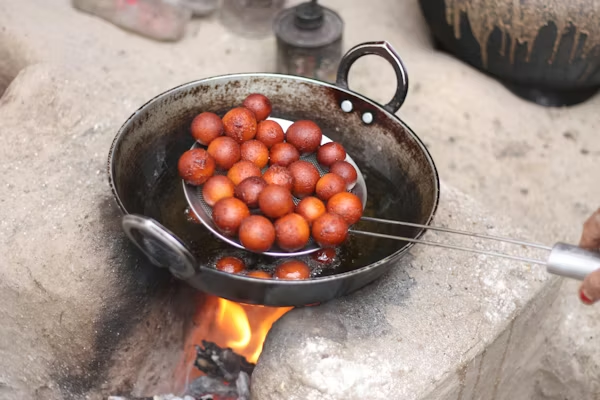
Gulab jamun is one of the most loved Indian desserts. It is hard to find someone who would say no to the Gulab Jamun as they are immensely delicious. Whether it’s a festival, wedding, birthday, or family gathering, gulab jamun is almost always on the menu. Soft, soaked in sugar syrup, and rich in taste—many people can’t resist it. And when you’re eating gulab jamun at home, it’s common for your cat to come close, sniff around, or even try to lick the syrup.
That’s when a genuine concern arises as a pet parent:
Can cats eat gulab jamun?
Is gulab jamun safe for cats, or can it harm their health?
If you’ve had this question in mind, you’re not alone. Even when i see my cats sniffing and licking gulab jamun i also assumed earlier that whether Gulab Jamun is safe for my cat or not. So here i have tried to answer all the questions that comes in the mind of a cat parent. So let’s dive in
Quick Answer: Can Cats Eat Gulab Jamun?
No, you should not give gulab jamun to your cat as it has sugar which your cat can’t digest easily and it may create health issues.
Gulab jamun is not safe for cats. While it is not toxic in the same way as onion or garlic, it contains high amounts of sugar, dairy, and fat, which can seriously upset a cat’s digestive system.
Gulab Jamun Safety for Cats: Quick Overview
Here i am sharing a quick table that you can scan to see whether gulab jamun is safe for cats or not.
| Aspect | Is It Safe for Cats? |
|---|---|
| Plain gulab jamun | ❌ Unsafe |
| Gulab jamun syrup | ❌ Unsafe |
| Homemade gulab jamun | ❌ Unsafe |
| Small bite safe? | ❌ No |
| Kittens eating gulab jamun | ❌ Absolutely not |
What Is Gulab Jamun Made Of?
Gulab jamun is made from milk solids, similar to foods like paneer, which are also difficult for cats to digest.
- Milk solids (khoya or milk powder)
- Sugar syrup
- Ghee or oil (for frying)
- Sometimes cardamom or rose water
Each of these ingredients creates problems for cats.
Why Gulab Jamun Is Not Safe for Cats?
Here we are sharing why gulab jamun like ladoo is unsafe for your cat as we often think that it is so delicious so why can’t i give it to my cat. Here we are sharing some of the reasons why you should not give it to your cat at all.
1️⃣ Very High Sugar Content
Gulab jamun is soaked in sugar syrup just like rasgulla. Cats cannot process sugar properly. Excess sugar can cause:
- Stomach upset
- Diarrhea
- Vomiting
- Long-term risk of obesity and diabetes
2️⃣ Dairy Is Hard to Digest
Most cats are lactose intolerant. The milk solids used in gulab jamun can lead to:
- Gas
- Bloating
- Loose stools
Even small amounts of dairy can cause discomfort.
3️⃣ Fried and Fatty
Gulab jamun is deep-fried before soaking. Fried foods and ghee:
- Stress a cat’s digestive system
- Can trigger vomiting
- Increase the risk of pancreatitis in sensitive cats
4️⃣ No Nutritional Value for Cats
Cats are obligate carnivores. Gulab jamun offers:
- No protein cats need
- No taurine
- No health benefit
It only adds empty calories.
Can Cats Lick Gulab Jamun Syrup?
Even the syrup of gulab jamun is bad for your cat. As it is made of sugar which is not suggested to be given to your cat.
Even licking the syrup can expose cats to:
- Concentrated sugar
- Dairy residue
This can still cause stomach upset, especially in kittens.
Can Cats Eat Homemade Gulab Jamun?
We all often think homemade food is good for the cats so we also believe that if we give homemade gulab jamun to our cat so it may be good for her. However, it is not right way to think as homemade gulab jamun is still bad for your cat.
It still contains:
- Dairy
- Sugar
- Ghee or oil
The source doesn’t change the risk.
Why Do Cats Try to Eat Gulab Jamun?
Cats are usually attracted because:
- The sweet smell is strong
- The dessert is soft and warm
- Humans are eating it
- Curiosity
Cats cannot taste sweetness the way humans do. Interest does not mean safety.
What Happens If a Cat Eats Gulab Jamun?
Possible symptoms include:
- Vomiting
- Diarrhea
- Lethargy
- Loss of appetite
- Gas or bloating
Symptoms may appear within a few hours.
What Should You Do If Your Cat Eats Gulab Jamun?
Cats are very curious creature and they roam around the kitchen and try to eat human food. However, some foods and desserts are not good for your cat like gulab jamun. If your cat eats it by any chance, here is what you should do
- Remove access immediately
- Offer fresh water
- Monitor for 24 hours
- Contact a vet if vomiting or diarrhea continues
Do not try home remedies.
Can Kittens Eat Gulab Jamun?
Absolutely not.
Kittens have extremely sensitive digestive systems. Gulab jamun can quickly cause:
- Severe diarrhea
- Dehydration
- Weakness
Safer Alternatives to Gulab Jamun for Cats
If your cat is curious about food, offer:
- Plain boiled chicken (no salt, no spices)
- Plain cooked fish (boneless)
- Commercial cat treats
- Vet-approved cat food
Frequently Asked Questions (FAQs)
Here we are sharing a few commonly asked question that a cat parent asks before giving any dessert to their cat.
Can cats eat a small piece of gulab jamun?
No. Even a small piece can upset a cat’s stomach due to sugar, dairy, and fat. There is no safe amount.
Is gulab jamun toxic to cats?
Gulab jamun is not poisonous, but it is unsafe and unhealthy for cats.
Can cats eat gulab jamun during festivals?
No. Festivals do not make gulab jamun safer. Cats should not eat it at any time.
Can cats drink gulab jamun syrup?
No. The syrup contains concentrated sugar and dairy residue and can cause digestive upset.
Are Indian sweets ever safe for cats?
Most Indian sweets are unsafe due to sugar, jaggery, dairy, and fat. Cats should stick to food made specifically for them.
Final Verdict: Can Cats Eat Gulab Jamun?
No, cats should not eat gulab jamun.
While gulab jamun is a beloved Indian dessert for humans, it is not suitable for cats and can easily cause digestive problems. Sugar, dairy, and fried ingredients make it an unsafe choice.
As a responsible pet parent, it’s best to keep gulab jamun and other sweets away from your cat and focus on food designed for feline health.
Disclaimer
This article is intended for informational purposes only and is based on general knowledge about feline nutrition and common food ingredients. It is not a substitute for professional veterinary advice, diagnosis, or treatment.
Every cat is different, and reactions to foods may vary depending on age, health, and individual sensitivity. If your cat has eaten something unusual or is showing signs of illness, always consult a qualified veterinarian for proper guidance.