
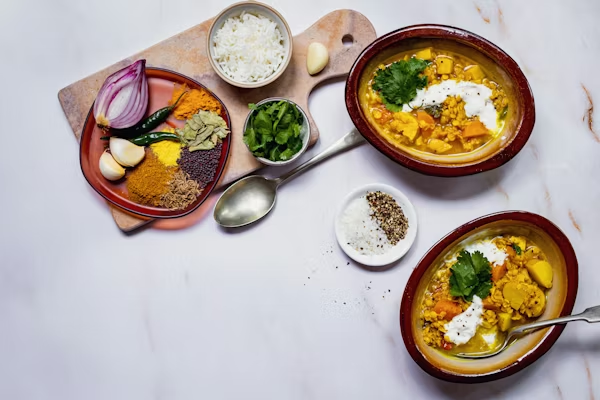
If you live in an Indian household, food is always around you. From freshly made chapati and sabzi to rice, dal, curd, and special dishes like khichdi, poha, dosa, or upma—Indian food is a daily part of life. And if you’re a cat parent, you’ve probably noticed this too: your cat sitting near the dining table, sniffing plates, or trying to lick leftover food. Indians love their food so much and they love sharing it with their pets however, all food which we eat tend not to good for the cat.
That’s when a very common thought comes to mind:
Can cats eat Indian food?
Are common Indian household foods safe for cats, or can they harm them?
These are genuine questions, and many Indian pet parents struggle with them because Indian food is often seen as “simple” or “homemade.” This pillar article brings everything together and explains, in one place, what Indian foods cats should never eat, which ones may seem harmless but aren’t, and why cats should mostly avoid human meals altogether.
Quick Answer: Can Cats Eat Indian Food?
Most Indian food is not suitable for cats.
While Indian meals are healthy and nourishing for humans, they are usually cooked with ingredients that cats cannot digest properly, such as:
- Oil or ghee
- Salt
- Spices
- Onion and garlic
Even foods that look plain or “light” can cause digestive problems in cats.
Why Indian Food Is Generally Unsafe for Cats?
Here we are listing down some of the reasons why indian food is not safe for your cat. You can read these reasons and figure out why you should not feed your cat indian food and sweets.
1️⃣ Cats Are Obligate Carnivores
Cats are biologically designed to eat animal-based protein. Their bodies do not require grains, lentils, vegetables, or spices for nutrition. Indian food, even vegetarian dishes, does not meet a cat’s dietary needs.
2️⃣ Oil and Ghee Are Hard on a Cat’s Stomach
Almost all Indian food is cooked in oil or ghee. These fats can cause:
- Vomiting
- Diarrhea
- Lethargy
- Pancreatic stress
3️⃣ Salt Levels Are Too High
Salt used for human taste can:
- Dehydrate cats
- Stress kidneys
- Upset electrolyte balance
Cats require far less salt than humans.
4️⃣ Spices Irritate the Digestive System
Even mild spices can irritate a cat’s stomach and mouth. Chili, garam masala, turmeric, cumin, and pepper are especially problematic.
5️⃣ Onion and Garlic Are Dangerous
Many Indian dishes contain onion and garlic, which are toxic to cats and can damage red blood cells, leading to anemia. So you should not give onion to your cat and garlic which are toxic to your cat.
Common Indian Foods and Whether Cats Can Eat Them
In Indian households a variety of dishes are being prepared on a daily basis and these are the common staples which are prepared and here you can check whether they are safe for your cat or not
Chapati / Roti
Chapati or roti is a daily staple in most Indian households and is usually made from wheat flour. While chapati is not toxic to cats, it is not suitable for them. Cats are obligate carnivores, meaning their bodies are designed to digest animal-based protein, not grains like wheat.
Chapati lacks essential nutrients that cats need, such as taurine. In addition, chapatis are often cooked with oil or ghee, which can irritate a cat’s stomach. Some cats may experience bloating, constipation, or diarrhea after eating chapati. Even if a cat seems to tolerate a small piece once, it should never be made a habit.
If you want to understand this in more detail, including what happens when cats eat chapati and common mistakes pet parents make, you can read our complete guide on whether chapati or roti is safe for cats.
👉 Link: Can Cats Eat Chapati / Roti?
Rice
Plain cooked rice may seem harmless, and in very small amounts it is not toxic to cats. However, rice should never be a regular part of a cat’s diet. Rice does not provide the nutrients cats require and can interfere with proper digestion.
In some cats, rice can cause constipation, while in others it may lead to loose stools. Leftover rice is especially unsafe because it often contains salt, oil, or spices. While rice is sometimes used in veterinary-prescribed bland diets, this should only be done under professional guidance—not as a home remedy.
We’ve explained this topic in much more detail, including when rice may be used under veterinary advice, in our full guide on whether cats can eat rice.
👉 Link: Can Cats Eat Rice?
Dal and Dal Chawal
Dal is made from lentils, which are difficult for cats to digest. Lentils can ferment in a cat’s stomach, causing gas, bloating, abdominal discomfort, and diarrhea. Dal is also usually cooked with oil, salt, spices, onion, or garlic, further increasing the risk.
Dal chawal combines two unsuitable foods—lentils and rice—making it even more problematic. While dal is nutritious for humans, it provides no benefit to cats and can easily upset their digestive system.
Since lentils raise many doubts for pet parents, we’ve covered this in depth in our detailed guide on whether cats can eat dal or dal chawal.
👉 Link: Can Cats Eat Dal Chawal?
Sabzi (Vegetable Dishes)
Indian sabzi typically contains vegetables cooked with oil, salt, spices, and often onion or garlic. Even when sabzi looks simple, it is not appropriate for cats. Oil and spices can irritate a cat’s stomach, and onion or garlic are toxic to cats.
Plain vegetables are unnecessary for cats, and cooked vegetables with seasoning can cause vomiting, diarrhea, or lethargy. Sabzi is meant for human digestion and should not be shared with cats under any circumstances.
Vegetable-based Indian dishes are often misunderstood, so we’ve written a separate detailed guide on whether cats can eat sabzi.
👉 Link: Can Cats Eat Sabzi?
Khichdi
Khichdi is often considered a “light” food for humans, especially during illness. However, for cats, khichdi is not light at all. It contains rice, dal, and often ghee—three ingredients that cats do not need and may struggle to digest.
Because khichdi is soft and mild, many pet parents assume it is safe. In reality, it can worsen diarrhea, cause bloating, and lead to digestive upset in cats.
If you want to know how khichdi is not safe for your cat what makes it unsafe for your cat in detail then check out our complete guide
👉 Link: Can cats eat Khichdi?
Poha
Poha is made from flattened rice and is usually cooked with oil, salt, peanuts, and spices. While poha is light for humans, it does not suit a cat’s digestive system. Oil and salt can irritate the stomach, and peanuts can be hard to digest or pose a choking risk.
Poha offers no nutritional benefit to cats and can cause loose stools or vomiting, especially in sensitive cats.
Curious to know in detail why poha is unsafe for your cat, you should check out our guide in detail where we have talked why you should not give poha to your cat
👉 Link: Can Cats Eat Poha?
Idli and Dosa
Idli and dosa are prepared using fermented batter made from rice and lentils. Fermented foods can cause gas, bloating, and stomach upset in cats. Dosa is particularly problematic because it is cooked with oil or ghee.
Even though idli may appear plain, fermentation alone makes it unsuitable for cats. Neither idli nor dosa should be given to cats, even in small amounts.
Still you have doubt why idli and dosa is not good for you cat you can check out our complete guide to dig in detail about this
👉 Link: Can cats eat idli?
Upma
Upma contains semolina (suji), oil, salt, and spices. Semolina is a refined grain that cats do not need, and the added oil and spices increase digestive stress.
Upma may lead to vomiting, diarrhea, or discomfort if eaten by cats. Like most Indian breakfast foods, it is designed for human digestion and should be avoided for pets.
Learn why upma is unsafe for your cat in detail as we have written a comprehensive guide on why you should not give it your cat.
👉 Link: Can cats eat upma?
Paneer
Paneer is a dairy product made from milk solids. Most adult cats are lactose intolerant, and paneer can easily cause diarrhea, bloating, and stomach pain.
Even small pieces of paneer can upset a cat’s digestion. While cats may enjoy the smell and texture, paneer provides no nutritional benefit and should not be offered.
Paneer though is immensely healthy for you but not for your cat you can check out why it is not healthy for your cat in detail as we have written a comprehensive guide talking in detail about every aspect of paneer unsafe for cats.
👉 Link: Can cats eat Paneer?
Curd / Dahi
Curd contains lactose and live cultures. While some people believe curd is easier to digest, many cats still struggle with it. Curd can cause diarrhea, gas, or discomfort, especially when given repeatedly.
Cats do not require probiotics from curd, and safer, cat-specific options exist if digestive support is needed.
Just like Paneer curd is healthy for human but not for the cats so here we have a comprehensive guide talking on all aspects we think you should check it out for deeper understanding
👉 Link: Can cats eat dahi?
Lassi
Lassi is a dairy-based drink and often contains sugar or salt. Both ingredients are unsuitable for cats. Sugar provides empty calories and salt can dehydrate cats and strain their kidneys.
Even plain lassi should be avoided, as it combines lactose and liquid dairy—two things that commonly cause digestive upset in cats.
You can find out about Lassi why it is unhealthy for your cat in detail in this guide you can learn more here
👉 Link: Can cats drink lassi?
Milk, Malai, Butter, and Ghee
Milk and related dairy products are commonly believed to be good for cats, but this is a myth. Most cats are lactose intolerant and cannot digest milk properly.
Malai, butter, and ghee are especially high in fat and can trigger vomiting, diarrhea, and long-term digestive issues. While a small lick may not always cause severe symptoms, regular exposure is harmful and unnecessary.
Why Cats Show Interest in Indian Food
Cats are not attracted to Indian food because it’s good for them. They are curious due to:
- Strong aromas
- Warm, freshly cooked food
- Human eating behavior
Curiosity does not equal safety.
What Happens If a Cat Eats Indian Food?
Symptoms may appear within a few hours and include:
- Vomiting
- Diarrhea
- Drooling
- Lethargy
- Loss of appetite
Foods containing onion or garlic can cause more serious reactions.
What To Do If Your Cat Eats Indian Food
You should not panic instead follow the simple steps if your cat eat indian food or sweets.
- Remove access immediately
- Offer fresh water
- Monitor for 24 hours
- Contact a vet if symptoms persist or if toxic ingredients were involved
Safe Alternatives to Indian Food for Cats
We know that cats find indian food curious however, it is not safe for them so instead of feeding your cat these food you can bring these safe alternatives for your cat
- Plain boiled chicken (no salt, no spices)
- Plain cooked fish (boneless)
- Commercial cat treats
- Vet-approved cat food
Frequently Asked Questions (FAQs)
As a cat parent you have a lot of questions in your mind which food you should feed your cat and which not. So here we have curated down some frequently asked questions that ofen arises in your mind.
Is any Indian food safe for cats?
Most Indian foods are unsafe due to oil, salt, spices, and toxic ingredients like onion and garlic.
Can cats eat Indian food occasionally?
Occasional feeding is still not recommended. Even small amounts can cause digestive upset and encourage bad habits.
Is homemade Indian food safer than restaurant food?
Homemade food may have fewer additives, but it still contains ingredients unsuitable for cats.
Can kittens eat Indian food?
No. Kittens have extremely sensitive digestive systems and should only eat kitten-specific food. You should only give your little kitten food which is only good for them.
Is plain boiled rice okay for cats?
In very small amounts, plain rice may be tolerated, but it should not be a regular part of a cat’s diet.
Why do people think Indian food is safe for cats?
A lot of us often assume that if we prepare food at home and give to our cats it may not cause any health problems, however, homemade food is prepared for humans not for cats, you should understand this and try not to offer it to your cat and give only that food to your cat which is designed for her.
Can Indian food cause long-term health issues in cats?
We know it’s hard to accept but it is the sad truth. The repeated exposure can contribute to obesity, digestive sensitivity, pancreatitis, and kidney stress. So you know these are serious health problems for your cats and being a cat parent you should try to keep your cat away from indian food.
What if my cat keeps begging for Indian food?
We know as a cat parent or pet parent that how hard is it to not give up on the constant begging or pleading of our cats and most cat parents give up and offer human food to their cats. However, you should not let your cat eat indian food but ensure that she does not eat it and give her the food which is only good for her. We know it’s hard but you have to walk on this path.
Final Verdict: Can Cats Eat Indian Food?
In Simple words , Indian food is made for humans, not cats. Thus, they may be tasty & healthy for you but it does not offer same taste and nutritional value to your cat.
While it is nutritious and comforting for people, Indian meals contain ingredients that cats cannot digest properly and do not need. As a responsible pet parent, the safest choice is to keep Indian food away from your cat and stick to diets designed specifically for feline health. You should give only those food or drinks which offers nutritional value to you cat not bring any health problems for your cat.