
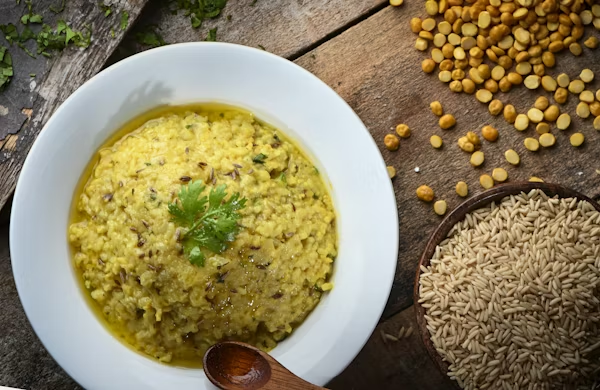
Khichdi is often called the ultimate comfort food in Indian households. It’s light, soft, easy to digest (for humans), and commonly eaten during illness, recovery, or when someone wants simple homemade food. Because khichdi looks plain and harmless, many pet parents assume it might be safe to share a small bite with their cat—especially if the cat seems curious.
If you’re a cat parent and this question has crossed your mind:
Can cats eat khichdi?
Is khichdi safe for cats, or can it upset their health?
You’re not alone. Let’s break this down clearly, without overcomplicating things.
Quick Answer: Can Cats Eat Khichdi?
No, cats should not eat khichdi.
Khichdi is not toxic in the strict sense, but it is not suitable or healthy for cats. It contains grains and lentils that cats don’t need, and it is usually cooked with ghee, salt, or spices that can upset a cat’s digestive system.
Khichdi Safety for Cats: Quick Overview
| Aspect | Is It Safe for Cats? |
|---|---|
| Plain khichdi (rice + dal) | ❌ Not recommended |
| Khichdi with ghee | ❌ Unsafe |
| Khichdi with salt | ❌ Unsafe |
| Khichdi with spices | ❌ Very unsafe |
| Small bite safe? | ❌ Best avoided |
| Kittens eating khichdi | ❌ No |
What Is Khichdi Made Of?
Traditional khichdi is usually made with:
- Rice
- Dal (lentils, often moong dal)
- Water
- Ghee or oil
- Salt
- Sometimes mild spices (jeera, hing)
While these ingredients are gentle for humans, they are not designed for a cat’s digestive system.
Why Khichdi Is Not Safe for Cats?
1️⃣ Cats Are Obligate Carnivores
Cats require nutrition from animal-based proteins. Rice and dal:
- Do not provide essential amino acids
- Lack taurine
- Fill the stomach without proper nutrition
Feeding such foods can reduce appetite for proper cat food.
2️⃣ Dal Is Hard for Cats to Digest
Lentils (dal) contain plant proteins and starches that can cause:
- Gas
- Bloating
- Diarrhea
- Stomach discomfort
Even well-cooked dal can upset a cat’s stomach.
3️⃣ Ghee and Oil Increase Digestive Stress
Most khichdi contains ghee or oil. Even small amounts can lead to:
- Vomiting
- Loose stools
- Lethargy
Cats do not tolerate fatty foods well.
4️⃣ Salt and Mild Spices Still Matter
Even “lightly salted” khichdi is not safe. Salt can:
- Dehydrate cats
- Stress their kidneys over time
Spices like jeera or hing may seem mild, but cats don’t need them. Moreover, Some versions of khichdi include onion, which is toxic to cats.
Can Cats Eat Plain Khichdi Without Ghee or Spices?
Even plain khichdi made with just rice and dal is not recommended.
Reasons:
- Dal is still difficult to digest
- Rice offers little nutritional value
- No benefit for cats
It may not cause immediate harm, but it serves no purpose in a cat’s diet.
Can Cats Eat Khichdi During Illness?
No.
This is a very common misconception.
Khichdi is light for humans, not for cats. During illness, cats need:
- Easily digestible animal protein
- Vet-recommended diets
Khichdi can worsen diarrhea or delay recovery.
Can Kittens Eat Khichdi?
Absolutely not.
Kittens have extremely sensitive digestive systems. Khichdi can quickly cause:
- Diarrhea
- Dehydration
- Weakness
Kittens should only eat kitten-formulated food.
Why Do Cats Try to Eat Khichdi?
Cats are usually attracted because:
- The food is warm
- It smells like ghee
- Humans are eating it
- Curiosity
This does not mean khichdi is safe or healthy for them.
What Happens If a Cat Eats Khichdi?
If a cat eats khichdi, you may notice:
- Vomiting
- Diarrhea
- Gas or bloating
- Reduced appetite
- Lethargy
Most cases are mild, but repeated exposure can cause ongoing digestive issues.
What Should You Do If Your Cat Eats Khichdi?
- Stop further access immediately
- Offer fresh water
- Observe for 24 hours
- Contact a vet if symptoms persist
Do not use khichdi as home treatment.
Safer Alternatives to Khichdi for Cats
If your cat is curious about food, safer options include:
- Plain boiled chicken (no salt, no spices)
- Plain cooked fish (boneless)
- Commercial cat food
- Vet-approved treats
These meet feline nutritional needs.
Frequently Asked Questions (FAQs)
Can cats eat a small amount of khichdi?
No. Even a small amount of khichdi can upset a cat’s digestive system. Khichdi contains rice and dal, which cats do not digest well, and it is usually cooked with ghee or oil. While one accidental bite may not always cause severe harm, there is no safe amount, and it’s best avoided completely.
Is khichdi safer than dal chawal for cats?
Khichdi may seem lighter than dal chawal, but it is not safer for cats. Both contain dal, which can cause gas, bloating, and diarrhea in cats. Khichdi often also contains ghee, which adds extra digestive stress. Neither dish is suitable for cats.
Can cats eat moong dal khichdi?
No. Even though moong dal is considered easy to digest for humans, it is still a lentil. Lentils can cause gas, bloating, stomach pain, and diarrhea in cats. Moong dal khichdi offers no nutritional benefit to cats and can upset their stomach.
Can cats eat khichdi without salt or spices?
Even khichdi made without salt or spices is not recommended for cats. The main ingredients—rice and dal—are still unsuitable for a cat’s diet and do not meet their nutritional needs. Removing salt does not make khichdi safe for cats.
Is khichdi good for cats with diarrhea or stomach upset?
No. This is a common misconception. Khichdi is light for humans, not for cats. During diarrhea or illness, cats need easily digestible animal protein or vet-recommended diets. Khichdi can worsen diarrhea and delay recovery.
Can kittens eat khichdi?
Absolutely not. Kittens have very sensitive digestive systems and specific nutritional requirements for growth. Khichdi can quickly cause diarrhea, dehydration, and weakness in kittens. Kittens should only be fed kitten-formulated food
Why do people think khichdi is safe for cats?
Many people believe khichdi is safe because it is considered light, comforting food for humans, especially during illness. However, what is light for humans is not automatically safe for cats. Cats have very different digestive systems and nutritional needs.
What should I do if my cat accidentally eats khichdi?
If your cat eats a small amount of khichdi, remove access immediately and offer fresh water. Monitor your cat for the next 24 hours for vomiting, diarrhea, or lethargy. If symptoms persist or worsen, contact a veterinarian.
Final Verdict: Can Cats Eat Khichdi?
No, cats should not eat khichdi.
While khichdi is comforting and healthy for humans, it does not suit a cat’s nutritional needs and can easily upset their digestive system. It offers no benefit and may cause unnecessary stomach issues.
As a responsible pet parent, it’s best to keep khichdi away from your cat and stick to food designed specifically for feline health.