
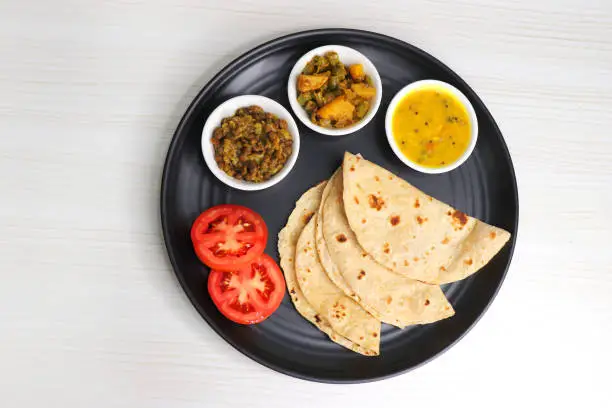
In most Indian homes, sabzi is cooked almost every day. Whether it’s aloo sabzi, mixed vegetable sabzi, bhindi, gobhi, or seasonal vegetables, sabzi is considered a healthy and essential part of our meals. Cats living in Indian households often roam around the kitchen, like my cat Stella who gets attracted by the smell of cooked food, and try to eat or lick at any cost. However, just like me you as a cat parent always asks yourself whether my cat can eat food or sweets. So it is common to ask yourself
Can cats eat sabzi?
Is Indian vegetable sabzi safe for cats, or can it harm them?
If this question has crossed your mind, you’re not alone. Let’s break this down clearly, honestly, and from a cat’s health point of view.
Quick Answer: Can Cats Eat Sabzi?
No, cats should not eat sabzi. Although your cat would like to try it but try to avoid giving it to your cat.
While sabzi is healthy for humans, it is not suitable for cats. Most sabzi is cooked with oil, salt, spices, and sometimes onion or garlic—all of which can upset a cat’s digestive system or even be dangerous. Therefore you should not let your cat eat sabzi or curry as it is not good for your cat.
What Is Sabzi Usually Made Of?
A typical Indian sabzi may include:
- Vegetables (potato, cauliflower, peas, beans, etc.)
- Oil or ghee
- Salt
- Spices (turmeric, cumin, coriander, chili)
- Onion and garlic (very common)
Even when sabzi looks simple, the cooking style makes it unsuitable for cats. Moreover cats are cats are obligate carnivores who loves meat but they can’t enjoy eating sabzi they try to eat it out of curiosity not by love.
Why Sabzi Is Not Safe for Cats?
Here we are sharing why sabzi is not safe for cats. Check out we have pointed down all the reasons why Sabzi is not safe for your cats
1️⃣ Cats Are Obligate Carnivores
Cats are designed to eat animal-based protein. Vegetables do not provide the nutrients cats need, such as taurine. Sabzi offers no real nutritional benefit to cats.
2️⃣ Oil and Ghee Cause Digestive Upset
Sabzi is almost always cooked in oil or ghee. Fatty foods can cause:
- Vomiting
- Diarrhea
- Lethargy
- Stomach pain
Some cats are especially sensitive to fats.
3️⃣ Spices Irritate a Cat’s Stomach
Even mild spices can irritate a cat’s digestive system. Spices may lead to:
- Drooling
- Burning sensation in the mouth
- Upset stomach
Cats do not tolerate spices well at all.
4️⃣ Onion and Garlic Are Dangerous
Many sabzis contain onion and garlic, which are toxic to cats. Even small amounts can damage red blood cells and cause serious health problems.
5️⃣ Salt Is Not Safe in Human Amounts
Sabzi contains salt meant for human taste. Excess salt can:
- Dehydrate cats
- Stress the kidneys
- Upset electrolyte balance
Can Cats Eat Plain Sabzi Without Spices?
No, Even sabzi made with just vegetables and oil is not recommended as your cat can’t digest it.
- Cooked vegetables alone are unnecessary for cats
- Oil still causes digestive stress
- Cats gain no nutritional benefit
Plain sabzi is not toxic, but it is still unsuitable.
Can Cats Eat Raw Vegetables Instead of Sabzi?
Cats do not need raw vegetables either. While a few vegetables in tiny amounts are sometimes included in commercial cat food, raw vegetables are:
- Hard to digest
- Not nutritionally required
- Likely to cause stomach upset
Therefore, you should not feed raw vegetables or sabzi to your cat as it is not good for your cat. Once my cat had eaten sabzi and she could not digest it and it made her fall sick so don’t give it your cat.
Can Cats Eat Sabzi During Illness?
No.
Sabzi is often considered “light food” for humans, but for cats:
- Vegetables + oil can worsen diarrhea
- Spices irritate the stomach
Sick cats need vet-recommended food, not human meals.
Can Kittens Eat Sabzi?
Absolutely not, Kittens have extremely sensitive digestive systems. Sabzi can quickly cause:
- Diarrhea
- Dehydration
- Weakness
Kittens should only eat kitten-formulated food.
Why Do Cats Try to Eat Sabzi?
Cats are curious because:
- Sabzi smells warm and oily
- Humans are eating it
- Some sabzi contains dairy or ghee aroma
This curiosity does not mean sabzi is safe or healthy for them.
What Happens If a Cat Eats Sabzi?
If a cat eats sabzi, symptoms may include:
- Vomiting
- Diarrhea
- Gas or bloating
- Loss of appetite
- Lethargy
Symptoms usually appear within a few hours.
What Should You Do If Your Cat Eats Sabzi?
- Remove access immediately
- Offer fresh water
- Monitor for 24 hours
- Contact a vet if symptoms persist or if the sabzi contained onion or garlic
Safer Alternatives to Sabzi for Cats
If your cat shows interest in food, safer options include:
- Plain boiled chicken (no salt, no spices)
- Plain cooked fish (boneless)
- Commercial cat treats
- Vet-approved cat food
Frequently Asked Questions (FAQs)
Can cats eat a small bite of sabzi?
No. Even small amounts can upset a cat’s stomach due to oil, salt, and spices such as garam masala.
Is sabzi safer than dal or khichdi for cats?
No. Sabzi, dal, and khichdi are all unsuitable for cats for different reasons.
Can cats eat boiled vegetables used in sabzi?
Boiled vegetables alone are unnecessary and not recommended for cats.
Can cats eat sabzi without onion and garlic?
Even without onion and garlic, sabzi is still not suitable due to oil, salt, and spices.
Why do people think sabzi is safe for cats?
Because sabzi is healthy for humans. But what is healthy for humans is not automatically safe for cats.
Final Verdict: Can Cats Eat Sabzi?
No, cats should not eat sabzi. As we already discussed above that cats are obligate carnivores so they don’t enjoy sabzi or it also does not give any health benefits to your cat.
Indian sabzi is prepared for human taste and digestion, not for cats. Oil, salt, spices, and sometimes toxic ingredients make sabzi unsafe and unnecessary for cats.
As a responsible pet parent, it’s best to keep sabzi and other cooked Indian foods away from your cat and stick to food made specifically for feline health.
Disclaimer
This article is intended for informational purposes only and is based on general knowledge about feline nutrition and common food ingredients. It is not a substitute for professional veterinary advice, diagnosis, or treatment.
Every cat is different, and reactions to foods may vary depending on age, health, and individual sensitivity. If your cat has eaten something unusual or is showing signs of illness, always consult a qualified veterinarian for proper guidance.