
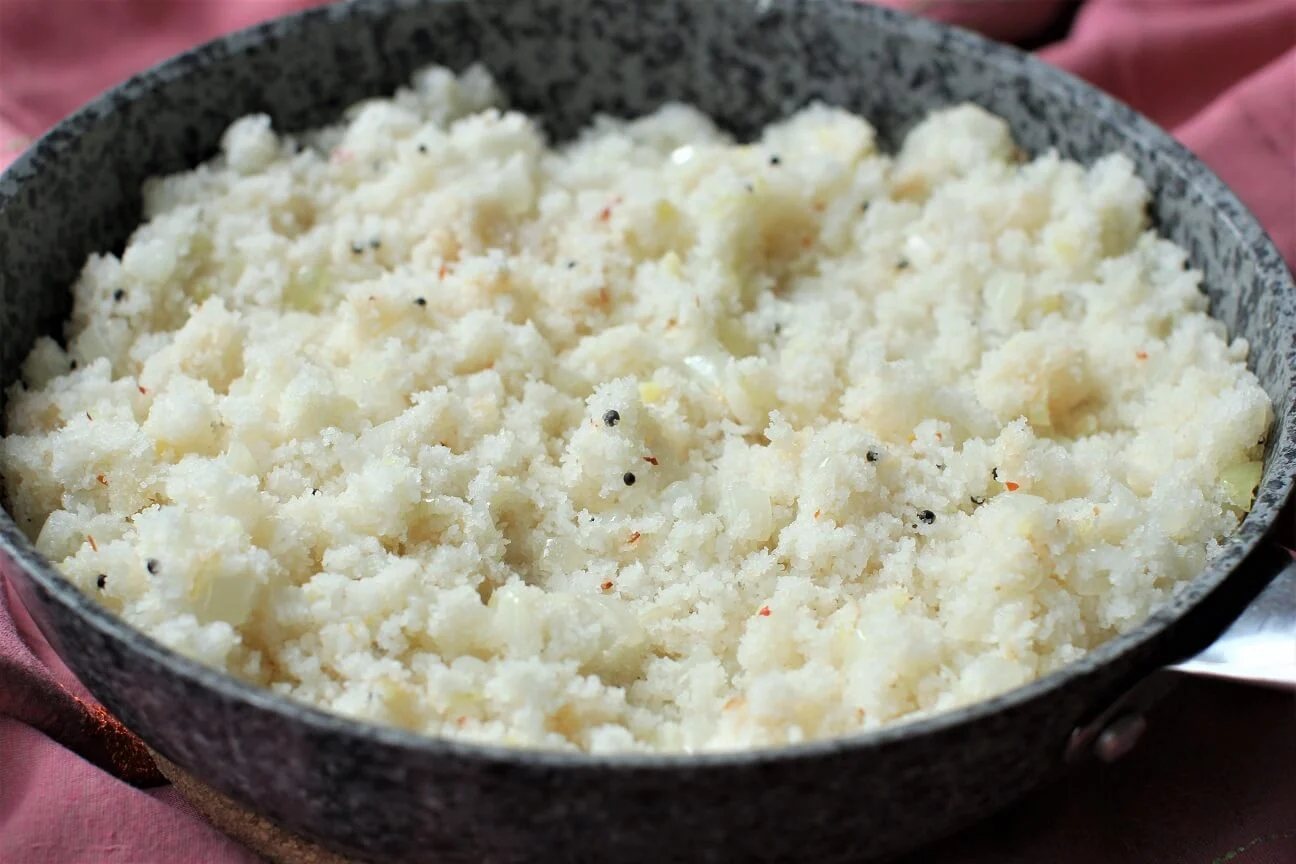
Upma is a very common breakfast item in many Indian households, especially in South India but now eaten across the country. It’s warm, soft, and often considered a “light” and healthy meal for humans. Because upma doesn’t look spicy at first glance, many pet parents assume it might be safe to share a small bite with their cat.
If you’re a cat parent and you’ve ever thought:
Can cats eat upma?
Is upma safe for cats or can it cause problems?
You’re asking the right question. Let’s break this down clearly and honestly, keeping a cat’s health first.
Quick Answer: Can Cats Eat Upma?
No, cats should not eat upma. It is not good for them
Upma is not toxic like onion or garlic on its own, but it is unsafe and unsuitable for cats. It contains semolina (rava), oil or ghee, salt, and often vegetables and spices—all of which can upset a cat’s digestive system.
Upma Safety for Cats: Quick Overview
| Aspect | Is It Safe for Cats? |
|---|---|
| Plain rava upma | ❌ Not recommended |
| Upma cooked with oil/ghee | ❌ Unsafe |
| Vegetable upma | ❌ Unsafe |
| Upma with spices | ❌ Very unsafe |
| Small bite safe? | ❌ Best avoided |
| Kittens eating upma | ❌ No |
What Is Upma Made Of?
Traditional upma is usually prepared using:
- Semolina (rava/suji)
- Oil or ghee
- Salt
- Mustard seeds
- Curry leaves
- Green chilies
- Vegetables (onion, carrot, peas)
While this combination is nutritious for humans, it is not suitable for cats.
Why Upma Is Not Safe for Cats?
Here we are listing down the reasons why Upma can’t be safe option for your cats.
1️⃣ Semolina (Rava) Is Hard for Cats to Digest
Semolina is a refined grain. Cats are obligate carnivores and do not digest grains well. Rava can cause:
- Stomach upset
- Gas
- Constipation or diarrhea
It provides no essential nutrition for cats.
2️⃣ Oil and Ghee Increase Digestive Stress
Upma is usually cooked with oil or ghee. Even small amounts can:
- Trigger vomiting
- Cause loose stools
- Lead to lethargy
Cats do not tolerate fatty foods well.
3️⃣ Salt and Tempering Ingredients Matter
Upma contains salt and tempering ingredients like mustard seeds and curry leaves. These may seem mild but can:
- Irritate a cat’s stomach
- Add unnecessary sodium to their diet
4️⃣ Onion and Spices Make It Riskier
Many versions of upma contain onion, which is toxic to cats, along with spices and green chilies that can cause irritation.
Can Cats Eat Plain Upma Without Vegetables?
Even plain upma made with just rava, oil, and salt is not recommended.
Reasons:
- Rava offers no nutritional benefit
- Oil and salt still stress digestion
- Cats don’t need grain-based foods
It may not be immediately dangerous, but it is not appropriate.
Can Cats Eat Upma During Illness?
No.
Upma is often considered light food for humans during illness, but for cats:
- Grains and oil can worsen diarrhea
- Salt can cause dehydration
Cats need animal-based protein or vet-recommended diets when unwell.
Can Kittens Eat Upma?
Absolutely not.
Kittens have very sensitive digestive systems. Upma can quickly cause:
- Diarrhea
- Dehydration
- Weakness
Kittens should only eat kitten-formulated food.
Why Do Cats Try to Eat Upma?
Cats are usually curious because:
- The food is warm
- It smells like ghee or oil
- Humans are eating it
This curiosity does not mean upma is safe or healthy for them.
What Happens If a Cat Eats Upma?
If a cat eats upma, possible symptoms include:
- Vomiting
- Diarrhea
- Gas or bloating
- Reduced appetite
- Lethargy
Symptoms are usually mild but can worsen with repeated exposure.
What Should You Do If Your Cat Eats Upma?
Don’t panic and follow the below mentioned steps to protect your cat
- Stop access immediately
- Offer fresh water
- Monitor for 24 hours
- Contact a vet if symptoms persist, especially if onion or spices were included
Safer Alternatives to Upma for Cats
If your cat is curious about food, safer choices include:
- Plain boiled chicken (no salt, no spices)
- Plain cooked fish (boneless)
- Commercial cat food
- Vet-approved treats
Frequently Asked Questions (FAQs)
As a cat owner you may get a lot of questions related to whether upma is safe for your cats or not.
Can cats eat a small amount of upma?
No. Even small amounts can upset a cat’s stomach due to semolina, oil, and salt. It’s best avoided.
Is upma safer than khichdi for cats?
No. Both are unsuitable. Upma contains refined grains and oil, while khichdi contains rice and dal. Neither meets a cat’s nutritional needs
Can cats eat suji (rava) used in upma?
No. Suji is a refined grain and can cause digestive issues in cats.
Can cats eat leftover upma?
No. Leftover upma often contains oil, salt, and spices, which can irritate a cat’s stomach.
Why do people think upma is safe for cats?
I used to believe just like you that Upma is healthy us human being so it would be healthy option for cats as well. However, upon research i discovered that cats have very different digestive systems and nutritional requirements. So they can’t digest the upma the way we human can do.
What should I do if my cat ate upma accidentally?
If your cat mistakenly eat upma, you should offer water to her and monitor your cat closely, and consult a veterinarian if vomiting, diarrhea, or lethargy continues.
Final Verdict: Can Cats Eat Upma?
No, cats should not eat upma.
While upma is a healthy and comforting food for humans, it does not suit a cat’s digestive system and offers no nutritional benefit. Ingredients like rava, oil, salt, and onion can easily cause stomach upset.
As a responsible pet parent, it’s best to keep upma and similar grain-based foods away from your cat and stick to food made specifically for feline health.