Persian Cats Breed Guide
Why Persian Cats Capture Hearts Worldwide?
If you’ve ever looked into the eyes of a Persian cat, you’ll understand why they’re considered one of the most iconic cat breeds globally. There’s something incredibly calming and angelic about them—their expressive round eyes, the silk-soft long coat, and their gentle, serene presence. Persian cats are like living plush toys with a royal vibe, and that’s exactly why they’ve been cherished for centuries.
But beyond their beauty, Persian cats have a personality that surprises many new owners. They aren’t wild, unpredictable, or overly demanding. Instead, they enjoy quiet moments, steady routines, and peaceful companionship. They are sweet-natured, affectionate in a soft and subtle way, and they fit effortlessly into calm homes.
This guide you’re reading is not a basic overview. It’s the complete, global-friendly, long-format, pillar article that covers every single aspect of Persian cats in detail — their origin, characteristics, care, behavior, health, grooming, feeding, prices, types, color variations, lifespan and so much more.
By the time you finish this entire 3-part series, you will know everything a Persian cat owner, breeder, or enthusiast could possibly need to know.
Let’s dive into their fascinating beginning.
History and Origin of Persian Cats
History and Origin
Persian cats are not just old — they are one of the oldest recognized cat breeds in the world. Their roots stretch back centuries, and their story is rich with culture, admiration, and evolution.
The Ancient Persian Origins
The Persian cat traces its ancestry to the region historically known as Persia, which corresponds to modern-day Iran. Long-haired cats were extremely rare in the ancient world, and their silky coats made them stand out instantly.
Historical researchers believe these long-haired cats lived naturally in the mountainous regions of Persia, where colder climates contributed to the development of their thick, insulating coats.
How They Reached Europe?
The earliest documented introduction of Persian cats to Europe happened in the 1600s, when Italian traveler Pietro Della Valle brought them to Italy after visiting Persia. At the time, Europeans had never seen a long-haired cat, so they became popular almost immediately.
Later, an explorer named Nicolas-Claude Fabri de Peiresc brought another set of long-haired cats from Turkey, helping spread the breed across France and England.
Soon, Persian cats became:
- The preferred pets of aristocrats
- Featured in royal households
- Symbols of luxury, elegance, and high social status
Their popularity grew rapidly, especially in Victorian England, where Queen Victoria herself owned Persian cats. This royalty-approved breed soon became a favorite everywhere.
Evolution Through Selective Breeding
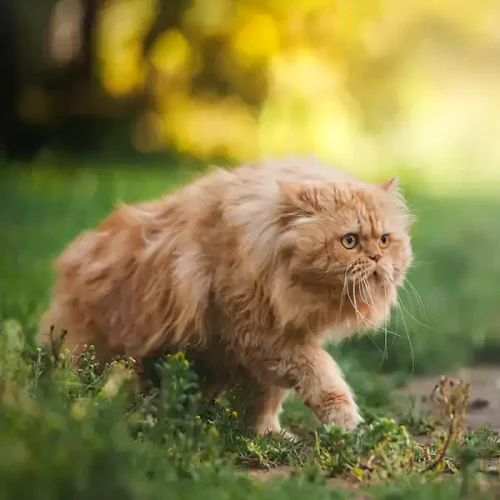
Over centuries, Persian cats began evolving through selective breeding. Breeders aimed to enhance certain features:
- Rounder faces
- Larger eyes
- Longer fur
- A calmer temperament
This led to the development of two main versions:
- The original Doll Face Persian
- The modern Flat Face (Peke-Face) Persian
Both remain popular today, though the flat-faced version is more common in cat shows.
Modern-Day Popularity
Persian cats consistently rank among the:
- Top 3 most popular cat breeds in the United States
- Top 5 most popular breeds in Europe
- Most loved long-haired breed globally
Their sweet nature + luxurious looks = timeless charm.
Persian Cat Characteristics
If you want to understand Persian cats completely, this section is crucial. Their characteristics are what make them one of the most unique and loved breeds in the world.
Let’s explore their physical traits, personality, social behavior, intelligence, and communication in detail.
Physical Features
1. Face Types (Doll Face vs Flat Face)
Doll Face Persian (Traditional Persian)
This is the original Persian face — more natural, more cat-like, and more anatomically comfortable.
Doll Face Persians have:
- A medium-length nose
- Good airflow and fewer breathing issues
- Larger nostrils
- A balanced skull shape
- Wide-open eyes but not overly bulging
They are the healthier choice for most owners because their features don’t interfere with natural breathing, eating, or tear drainage.
Flat Face Persian (Peke-Face Persian)
This is the Persian you often see in shows, competitions, and social media posts.
Flat face Persians have:
- A dramatically short nose
- Rounder, fuller cheeks
- Very large eyes
- A heavily rounded head
- A more doll-like, baby-ish appearance
They are stunning, but because of the extreme “brachycephalic” face shape, they may have:
- Tear staining
- Breathing difficulty
- Heat sensitivity
- Nostril blockages
Many people love their cute “smooshed face” look, but it requires more care.
2. Eye Shape, Colors, and Expressions
Persians have one of the most adorable eye shapes in the entire cat world, round and expressive.
Their eyes instantly give them:
- A sweet, innocent look
- A soft, approachable expression
- A toy-like appearance
- Eye Colors Found in Persian Cats
Persians can have:
- Blue
- Copper
- Green
- Hazel
- Odd-eyes (two different colored eyes)
Himalayan Persians always have blue eyes due to their Siamese genetics.
Eye color often depends on coat color, but regardless of type, Persian eyes are incredibly expressive.
3. Size, Weight, and Body Structure
Persians are medium-sized but appear larger because of their fluffy coats.
Body Structure
They have a “cobby body,” meaning:
- Short & sturdy legs
- Broad chest
- Rounded stomach
- Thick bones
- Compact, strong frame
This structure contributes to their calm and steady movements.
Weight & Growth
Females: 7–10 lbs (3–4.5 kg)
Males: 9–12 lbs (4–5.5 kg)
They grow slowly and may take up to 18–24 months to reach full size.
Personality Traits
Now this is the part that truly defines Persian cats — their sweet, calm, gentle nature.
1. Calm & Laid-Back Temperament
Persian cats are like that peaceful friend who never rushes, never panics, and always keeps things cool. They love:
- Quiet corners
- Soft pillows
- Warm laps
- Peaceful surroundings
They rarely show aggression and are one of the most easygoing breeds you’ll ever meet.
2. Affectionate but in a Gentle Way
Persians express love differently from other breeds.
They aren’t:
- Overly clingy
- Hyperactive
- Vocal
Instead, they show affection by:
- Sitting close to you
- Following you from room to room
- Purring softly
- Sleeping next to you
- Offering slow blinks
Their love is peaceful and comforting.
3. Great with Families and Kids
Because of their patient nature, Persian cats do exceptionally well with children—especially calm, gentle kids.
They enjoy being around people and rarely lash out unless they’re stressed or handled improperly.
4. Good with Other Pets
Persians mix well with:
- Other calm cats
- Older or calm dogs
- Small pets that are kept separately
Their non-aggressive nature makes them very adaptable.
Intelligence & Trainability
Persians are intelligent — but not in a high-energy, problem-solving, mischievous way like Bengal or Siamese cats.
Their intelligence shows in:
- Understanding routines quickly
- Building strong bonds with owners
- Learning simple commands
- Recognizing feeding time
- Adapting to new people
- Using litter boxes easily
They are smart in a calm, composed, observant way.
Communication Style
Persian cats are quite communicative.
They don’t meow loudly or constantly — instead, they have a gentle, soft voice.
Their communication includes:
- Subtle meows
- Soft purring
- Slow blinks
- Tail wrapping
- Head bumps
- Eye contact
They “speak” more through body language than sound, which makes them ideal for people who prefer peaceful pets.
Types of Persian Cats
Many people think all Persian cats look the same — fluffy and adorable.
But in reality, Persian cats come in several distinct types, each with unique facial structure, coat texture, eye color, and overall appearance.
Understanding the types helps:
- Owners choose the right one
- Breeders clarify their lineage
- Buyers avoid being misled
- Websites (like Furrena) rank for multiple search keywords
Let’s explore each type in detail.
1. Doll Face Persian (Traditional Persian)
This is the original Persian cat, the one closest to their ancient roots.
Features
- Longer nose
- Natural head shape
- Proportionate body
- Fewer breathing issues
- Minimal tear staining
- Wide-set eyes but not bulging
Personality
Doll Face Persians are typically:
- Gentle
- Loving
- Calm
- Intelligent
They adjust well to families, apartments, seniors, and even beginners.
Health Advantage
Their facial structure makes them:
- Easier to care for
- Less prone to respiratory problems
- More comfortable in varying temperatures
For someone who wants a beautiful but practical Persian, this is the best choice.
2. Flat Face Persian (Peke-Face)
Flat-face Persians are the show-quality variety.
They are incredibly photogenic, instantly recognizable, and heavily featured in cat competitions.
Features
- Very short or almost invisible nose
- Large, round “baby doll” eyes
- Flat facial structure
- Extreme round head
- Thick neck
- Plush coat
Why They’re Popular
Their appearance is unique, expressive, emotional-looking, and extremely cute — which is why many people prefer this type.
Things to Consider
Because of extreme brachycephaly:
- They may snore
- They may have watery eyes
- They need regular face cleaning
- They may struggle in high heat
They are beautiful but require more grooming and health monitoring.
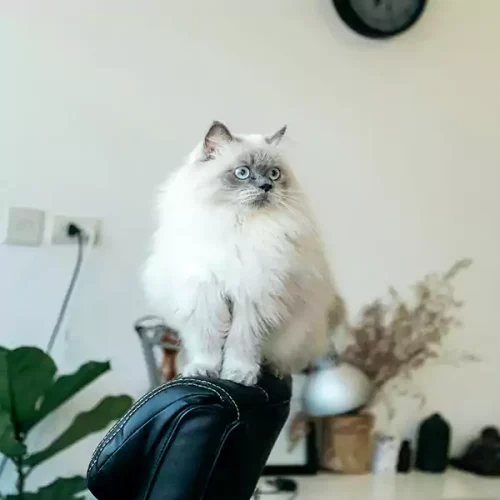
3. Himalayan Persian
This is one of the most loved Persian subtypes.
The Himalayan Persian is a cross between a Persian and a Siamese, offering the best of both worlds.
Appearance
- Blue eyes (always)
- Color-point pattern (ears, tail, and face darker)
- Long, silky coat
- Round head
- Sweet expression
Personality
Himalayans are:
- Affectionate
- More playful than other Persians
- Social
- Slightly more energetic
- Very cuddly
They are a great choice for families who want a Persian but with a little more liveliness.
4. Chinchilla Persian
Chinchilla Persians are often called “fairy cats” because they look magical.
Appearance
- Shimmery silver or gold tipped coat
- Green or blue-green eyes
- Long, luxurious fur
- Smaller nose than Doll Face Persian
- Extremely delicate features
Personality
Chinchilla Persians are:
- Quiet
- Affectionate
- Calm
- Intelligent
They’re one of the most photogenic Persian types, often used in commercials, movies, and ads.
5. Teacup Persian
Teacup Persians look like forever-kittens.
They are bred to be smaller than standard Persians.
Features
- Tiny size
- Round baby face
- Long fur
- Miniature appearance
Caution
Teacup Persians can be fragile and require special care due to:
- Smaller organs
- Bone structure issues
- Sensitive digestion
They’re adorable but should only be bought from reputable breeders.
6. Exotic Shorthair
Known as the short-haired version of the Persian, Exotic Shorthairs have the Persian face but with a low-maintenance coat.
Features
- Round face
- Big eyes
- Plush, short coat
- Calm personality
Why They’re Popular
- Far fewer grooming needs
- Gentle temperament
- Great for busy people
This subtype is extremely popular in Japan, the U.S., and Europe.
Persian Cat Colors
Persians come in one of the largest color variations in the world — over 80 recognized shades and patterns.
Here are the most demanded and globally popular colors:
1. White Persian
The epitome of elegance. White Persians look angelic with their:- Pure white fur
- Blue, copper, or odd-eyes
2. Black Persian
A rare and majestic shade. Black Persians have:- Jet-black glossy coat
- Copper eyes
- Strong presence
3. Blue (Gray) Persian
One of the most popular colors worldwide. Blue Persians have:- A smoky gray-blue coat
- Copper or orange eyes
- Soft, teddy-bear-like appearance
4. Golden Persian
A luxurious champagne-golden shade. They look warm, royal, and strikingly beautiful.5. Silver Shaded Persian
This coat looks like glittering snow.- White undercoat
- Black or silver tips
- Sparkling appearance
- Often paired with green eyes
6. Bi-Color & Tri-Color Persians
These include:- White + black
- White + grey
- White + orange
- Calico patterns
7. Tortoiseshell Persian
A gorgeous blend of:- Black
- Orange
- Cinnamon
8. Red Persian
Fiery orange-red coat, often paired with deep copper eyes.9. Chocolate & Lilac Persian
These are exotic and highly rare. Chocolate Persians have deep brown coats. Lilac Persians have soft lavender-gray shades.Persian Cat Price Around the World
Instead of city-wise Indian prices, here is a global view for international SEO.
Average Persian Cat Prices by Country (2025)
| Country | Average Price |
| USA | $500–$2,000 |
| UK | £400–£1,500 |
| Canada | CAD 600–2,000 |
| Australia | AUD 800–2,500 |
| UAE | AED 1,500–4,000 |
| India | ₹7,000–₹30,000 |
| Europe | €500–€1,800 |
Factors That Affect Persian Cat Price
1. Type of Persian
- Flat-Face Persians → expensive
- Doll Face → more affordable
- Himalayan / Chinchilla → premium
- Teacup → very expensive
2. Color
Rare colors cost more:
- Chinchilla → very high
- Golden & Silver shaded → premium
- Chocolate & Lilac → extremely rare
3. Breeder Quality
Reputable breeders provide:
- Vaccinated kittens
- Health certificates
- Better genetics
- PKD-tested parents
These cost more, but ensure safety.
4. Pedigree and Show Quality
Show-quality kittens with championship bloodlines can reach the highest price range.
Country of Origin
Countries with higher demand (UAE, USA, Japan) have higher prices.
Age
- Kittens cost more
- Adults cost less
- Retired breeding cats cost even less.
Complete Persian Cat Care Guide
This is the heart of Persian cat ownership. Their beauty requires consistent care.
1. Grooming Guide
Persians need grooming EVERY day, and this is not optional.
✔Why Daily Grooming?
Persian coat:
- Mats quickly
- Collects dust
- Sheds heavily
- Forms painful knots
- Causes skin irritation if neglected
A well-groomed Persian = healthy Persian.
✔ Daily Grooming Routine (10–15 minutes)
Use:
- Wide-tooth comb
- Pin brush
- Soft bristle brush
Steps:
- Start at the neck
- Brush downwards gently
- Use detangler spray for knots
- Brush tail carefully
- Clean armpits & tummy area (common matting spots)
- Finish with a bristle brush for shine
✔ Face Cleaning (Especially for Flat-Faced)
Flat-faced Persians need:
- Twice-daily eye wiping
- Tear stain removal
- Mild saline solution on cotton
- Checking nostril cleanliness
This prevents infections and staining.
✔ Bathing Routine
Bath once every 2–4 weeks.
Use:
- Cat-safe shampoo
- Conditioner for long hair
- Blow dry gently
Never let fur air-dry — it causes deep tangles.
✔ Coat Trimming
Optional trimming around:
- Hygiene area
- Paws
- Belly
Professional grooming every 2–3 months is ideal.
2. Feeding & Nutrition
Persians have slow metabolisms and delicate digestion.
✔ What Their Diet Should Include:
- High protein (chicken, fish, turkey)
- Omega-3 & 6 fatty acids
- Taurine (essential for cats)
- Balanced wet + dry food
✔ What to Avoid:
- Excess fish
- Artificial coloring
- Too many carbs
- Human foods
- Overfeeding
Feeding Schedule Example
Kittens: 4 meals/day
Adults: 2–3 meals/day
Seniors: Small, frequent meals
Hydration is extremely important — consider a water fountain.
3 Litter Box Training
✔ Tips for Persian Cats:
- Use fine, soft clumping litter
- Large, open litter trays
- Scoop daily
- Wash weekly
Persians will avoid dirty boxes and start eliminating elsewhere if the box smells.
4. Enrichment & Toys
Persians are low-energy but need mental stimulation.
✔ Best Toys:
- Feather teasers
- Wand toys
- Soft balls
- Puzzle feeders
- Scratching posts
- Cat tree (medium height)
Avoid:
- Overly loud toys
- High perches
- Laser toys with no rewarding end
5. Environment & Temperature Needs
Persians do NOT tolerate heat well.
✔ Ideal Environment:
- Cool room
- AC in summer
- Fresh filtered water
- Clean bedding
- No loud noise
- Low stress environment
Avoid letting them outside unsupervised — their coat can trap dirt, insects, and debris.
6. Common Mistakes New Owners Make
Persians are easy to love but easy to care for incorrectly.
❌ Mistake #1: Not brushing daily
Leads to painful mats.
❌ Mistake #2: Using human shampoo
Can damage fur and skin.
❌ Mistake #3: Ignoring tear stains
Risks infection.
❌ Mistake #4: Overfeeding
Leads to obesity and joint issues.
❌ Mistake #5: Keeping them in heat
Persians can collapse during heatwaves.
Persian Cat Health Issues
Persian cats are healthy overall, but due to their facial structure, long coats, and genetics, they are more prone to certain health issues. Understanding these in advance helps owners prevent, manage, and detect problems early — saving time, money, and heartbreak.
Here is a complete, detailed breakdown.
1. Brachycephalic Airway Syndrome (Breathing Issues)
This condition mostly affects flat-faced Persians, not Doll Face types.
✔ Why It Happens
Flat-faced Persians have:
- Shortened nasal passages
- Narrow nostrils
- Smaller airway openings
This can make breathing:
- Noisy
- Labored
- Harder during heat or stress
✔ Symptoms
- Wheezing
- Snoring
- Mouth breathing
- Difficulty eating
- Low tolerance to exercise
✔ How to Help
- Keep room cool
- Use air-conditioning
- Avoid exercise after meals
- Maintain normal weight
- Use humidifiers during dry seasons
2. Eye Problems & Tear Staining
Because of their facial structure, Persians may have:
- Excessive tearing
- Staining under eyes
- Blocked tear ducts
✔ Causes
- Flat face reduces tear drainage
- Allergies
- Dust and bacteria build-up
✔ Solutions
- Clean eyes daily
- Use vet-approved eye wipes
- Remove tear stains regularly
- Trim hair around the eyes
Flat-faced Persians need twice-daily eye care.
3. Hairballs
Persians ingest A LOT of hair because of their long coat.
✔ Symptoms of Hairballs
- Coughing
- Gagging
- Vomiting
- Loss of appetite
✔ Prevention
- Daily brushing
- Hairball control food
- Hydration
- Regular grooming
4. Polycystic Kidney Disease (PKD)
PKD is a genetic condition affecting Persians more than any other breed.
✔ What It Is
Tiny cysts form inside the kidneys, which may grow over time.
✔ Symptoms
- Excessive thirst
- Frequent urination
- Weight loss
- Poor coat
- Lethargy
✔ Prevention
Buy only from breeders who perform PKD DNA testing. Never purchase a Persian kitten without this certification.
5. Ringworm
Long-haired cats like Persians easily trap fungal spores.
✔ Signs
- Bald patches
- Red irritated skin
- Dandruff-like flakes
✔ Solutions
- Anti-fungal treatments
- Regular baths
- Clean environment
6. Dental Issues
Persians’ small jaws and crowded teeth can cause:
- Tartar build-up
- Gum disease
- Bad breath
✔ Prevention
- Weekly tooth brushing
- Dental treats
- Vet cleanings
7. Heat Sensitivity
Persians easily overheat due to:
- Thick coat
- Flat face (some types)
- Low heat tolerance
✔ Best Practices
- Keep AC on in summer
- Provide cool mats
- Groom regularly
- Ensure hydration
Never leave a Persian in heat or sun for long.
8. Skin Allergies
Their long coats may hide:
- Rashes
- Sores
- Parasites
✔ Prevention
- Brush daily
- Check skin weekly
- Use flea control products
- Avoid harsh shampoos
9. Obesity
Persians enjoy sleeping and relaxing — which can lead to weight gain.
✔ Tips
- Controlled feeding
- Light play sessions
- No extra treats
A healthy weight = longer lifespan.
Persian Cat Behavior
Persians are known for their gentle temperament, but they have some interesting behaviors that owners should understand.
1. Why Persian Cats Are So Calm
This breed was selectively developed for companionship — not hunting, climbing, or high activity. Over generations, breeders selected traits like:
- Gentleness
- Patience
- Low energy levels
- Affection
This is why Persians rarely misbehave or act hyper.
2. Why They Sleep So Much
Persians can sleep 12–18 hours a day, which is completely normal.
Reasons:
- Low activity level
- Thick coats make them relaxed
- Stable temperament
- Indoor lifestyle
- Natural feline behavior
They’re not lazy — just peaceful.
3. Affection Levels
Persians love:
- Sitting near you
- Sleeping next to you
- Following you around the house
- Slow blinking at you
- Accepting soft forehead kisses
They aren’t “lap cats” all the time, but they crave companionship.
4. How They React to Strangers
Persians are friendly but reserved. They won’t run away or hiss, but they may observe quietly from a distance.
After they feel safe, they warm up quickly.
5. Compatibility With Other Pets
Persians get along well with:
- Calm dogs
- Other cats
- Seniors
- Kids
They prefer gentle play and dislike rough handling.
6. Play Style
Persians are not athletic jumpers.
They prefer:
- Wand toys
- Soft balls
- Feather teasers
- Puzzle feeders
Play sessions should be short but enjoyable.
7. Vocalization
Persians have soft, sweet voices — rarely loud or demanding.
Their meows sound like:
- “Mmmh”
- Soft chirps
- Light trills
They are one of the quietest cat breeds.
Persian Cat Lifespan & Growth Stages
Persians are long-living cats with proper care.
Average Lifespan
12–17 years: With excellent genetics and care → up to 20 years.
Growth Stages
✔ 0–3 Months (Kitten Phase)
- Learning social behavior
- High curiosity
- Developing coordination
- Needs high-protein diet
✔ 4–6 Months (Young Kitten)
- Teeth growing
- Playful, energetic
- Grooming habit formation
✔ 6–12 Months (Teenager)
- Starts looking fluffy
- Developing adult personality
- May display mild moodiness
✔ 1–3 Years (Young Adult)
- Fully grown size
- Calm temperament solidifies
- Ideal time for training
✔ 3–8 Years (Prime Adult)
- Stable behavior
- Moderate energy
- Strong attachment to owners
✔ 8–10 Years (Mature Adult)
- May slow down
- Needs yearly health checks
✔ 10+ Years (Senior)
- Might need joint supplements
- More vet visits
- Softer foods
Persian Cat Adoption Guide
If you want to adopt rather than buy — that’s a wonderful choice. Here we are sharing persian cat adoption guide for you.
Where to Adopt?
- Local shelters
- Rescue organizations
- Persian breed-specific rescues
- Adoption websites
- Social media rescue groups
What to Check Before Adopting?
✔ Health Check
- Clear eyes
- Healthy coat
- No wheezing
- Clean teeth
- No matting
✔ Behavior Check
- Eats well
- Uses litter box
- Friendly or curious
- Comfortable around people
✔ Documents
- Vaccination records
- Deworming
- Microchip (if available)
Why Adopting a Persian Is Special?
Many Persians in shelters arrive because:
- Owners couldn’t handle grooming
- They needed medical care
- People underestimated the responsibility
Giving them a home is incredibly rewarding.
Persian Cats FAQs
1. Are Persian cats good pets?
Yes, they are one of the calmest, sweetest cat breeds, perfect for families and quiet homes.
2. Are Persian cats high maintenance?
Grooming-wise, yes.
Behavior-wise, not at all.
3. How often should I groom a Persian?
Daily brushing + weekly bathing.
4. Do Persian cats shed a lot?
Yes, they shed heavily year-round.
5. Are Persians good for apartments?
Absolutely — they love quiet indoor living.
6. Are Persian cats friendly with kids?
Yes, especially gentle kids.
7. Do Persian cats get along with dogs?
Yes, with calm dogs.
8. Can Persian cats live in hot climates?
Yes — but only with AC or cooling.
9. Why do Persian cats have watery eyes?
Due to their facial structure and tear drainage issues.
10. How often should I bathe a Persian?
Every 2–4 weeks.
11. What should I feed a Persian cat?
High-protein food with omega fatty acids.
12. Are Persian cats lazy?
NO, they are simply calm and peaceful.
13. Why does my Persian cat snore?
Flat-faced structure causes airway resistance.
14. How long do Persian cats live?
12–17 years, sometimes 20.
15. Can Persian cats be left alone?
Yes, for short periods — not too long.
16. Do Persian cats need toys?
Yes — but they prefer soft, simple toys.
17. Do Persians jump high?
Not usually; their body structure limits them.
18. Why is my Persian cat not playful?
It’s normal — they are low-energy.
19. How can I reduce shedding?
Daily brushing + omega supplements.
20. Why is my Persian cat picky with food?
They have sensitive digestion.
21. Can Persians go outside?
Not recommended — coat traps dirt & parasites.
22. Are Persian cats intelligent?
Yes, but more observant than active.
23. Do Persian cats meow a lot?
No — they are quiet communicators.
24. Why is my Persian cat breathing loudly?
Possible nasal blockage — common in flat-faced types.
25. Why does my Persian cat mat so easily?
Their undercoat tangles without daily grooming.
26. What is the best litter for Persians?
Fine, soft clumping litter.
27. Can Persians live with other cats?
Yes — they love company.
28. Do Persian cats get anxious?
They can — especially in noisy homes.
29. How can I tell if my Persian is overheating?
Panting, lethargy, drooling — move to a cool place immediately.
30. Why is my Persian cat always sleeping?
Completely normal — they are low-energy by nature.